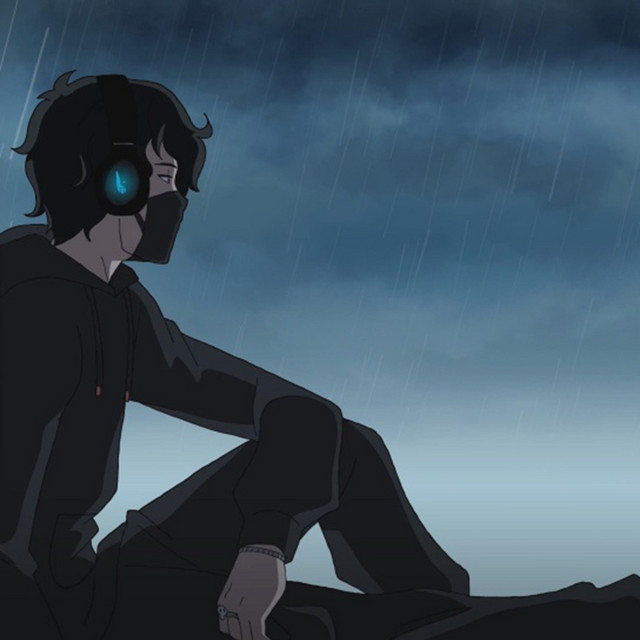
What “agoraphobic” by CORPSE Really Means
The meaning of agoraphobic CORPSE starts with a simple idea: this is a song about feeling unsafe in the world and even unsafe with oneself. Rather than telling a big story, CORPSE builds a tight, personal snapshot of depression, anxiety, shame, and self-isolation. The result is a track that feels less like a performance and more like an exposed nerve.
"agoraphobic" - CORPSE
'Cause I can't do shit right, I can't learn my lesson
I can't do shit right, take anti-depressants
Loading lyrics...
Unable to load lyrics
We're unable to display the lyrics at this time. Please try again later.
A Confession, Not a Character Study
From the first verse, the song frames a speaker who sees their life through failure and exhaustion. When CORPSE says I can't do shit right
, the point is not shock value. It shows a mind stuck in self-criticism, where every mistake becomes proof of worthlessness.
That same pattern continues through references to medication, lost youth, and unanswered messages. In plain terms, the song presents someone whose mental health has changed how they grow up, connect with friends, and move through daily life. The title “agoraphobic” fits because the fear is not just outside spaces. It is also fear of judgment, exposure, and contact.
Watch the official agoraphobic
music video
Why the Outside World Feels Dangerous
A key part of the song’s meaning is its link between public life and danger. The line Can't go outside
is brief, but it carries the whole emotional structure of the track. Going out is not described as normal and difficult; it feels threatening.
The next details make that fear sharper. The lyrics mention privacy worries, questions about appearance, and paranoia about being found. Taken together, they suggest a person who feels watched and misunderstood. For an artist like CORPSE, whose public image has long been shaped by anonymity and limited face reveals, that concern fits the broader persona noted across coverage of their career by outlets like Genius and Billboard.
Interpretation: Fame makes the fear worse
One reasonable reading is that the song mixes clinical anxiety with internet-age pressure. CORPSE became known online through horror narration, music, and streaming culture, so being seen is both part of the job and a source of distress. That makes the song feel modern: it is about mental illness, but also about visibility.
The Chorus Drops the Mask
The emotional center of the track is the repeated confession I'm not okay
. That is the line that strips away any distance. Instead of using metaphor to soften the feeling, the song says the truth directly.
I'm not okay
What's the point?
This is the article’s only multi-line lyric quote, and it matters because it shows how bare the writing becomes. The hook does not offer relief or a lesson. It just repeats distress until the repetition itself starts to sound like being trapped in a thought loop.
That choice helps explain why the song connected with so many listeners. It names emotional pain in blunt language, without pretending it can be solved by the end of the track.
Rain, Wine, Mirrors, and Scrolling
The imagery in “agoraphobic” is simple but effective. Each image points back to withdrawal.
- Rain suggests cover and permission to stay inside.
- Red wine hints at coping, numbing, or slowing time.
- A mirror points to self-loathing and discomfort with identity.
- Scrolling captures passive, lonely hours spent online.
The rain image is especially important. When CORPSE says I love when it rains
, the song turns bad weather into emotional shelter. Rain makes the outside world seem farther away. It gives the speaker an excuse not to engage.
The mirror line also stands out because it links appearance to pain. The issue is not vanity. It is alienation from one’s own reflection, as if even the self has become hard to face.
How the Sound Carries the Meaning
The production supports the lyrics by keeping everything dark, close, and heavy. CORPSE’s signature low register already creates a boxed-in feeling, but here the beat also helps. The song moves slowly, with a muted, cloudy atmosphere that leaves space around the voice instead of pushing it forward with energy.
That matters for interpretation. A brighter or faster instrumental might have turned these lyrics into stylized emo rap. Instead, the sparse arrangement makes the song feel private and drained. The vocal delivery sounds tired more than theatrical, which gives the confession weight.
Interpretation: The minimalism mirrors isolation
A second strong reading is that the track’s stripped-down structure reflects the speaker’s narrowed life. There are few distractions, few scene changes, and little release. The song stays indoors, emotionally and sonically.
Why “agoraphobic” Hit So Hard
Part of the song’s appeal is timing. It arrived during a period when many young listeners were already talking more openly about anxiety, depression, and online burnout. CORPSE’s style made those feelings sound intense, but also recognizable.
Just as important, the song refuses to glamorize suffering. It uses dark humor and sharp phrasing, but its core message is painful: isolation can start to feel safer than living. That is what gives the meaning of agoraphobic CORPSE its staying power. It is not simply about hating crowds. It is about what happens when fear, shame, and exhaustion make retreat feel like the only stable option.
Final Take on the Song’s Meaning
“agoraphobic” is best understood as a portrait of mental confinement. It shows a person overwhelmed by self-judgment, suspicious of the outside world, and stuck in habits that make loneliness deeper.
Interpretation: listeners may hear different shades in it—clinical anxiety, internet paranoia, depression, or all three at once. That ambiguity is part of why the song resonates. This article offers an interpretation, not a definitive statement of CORPSE’s intent.







