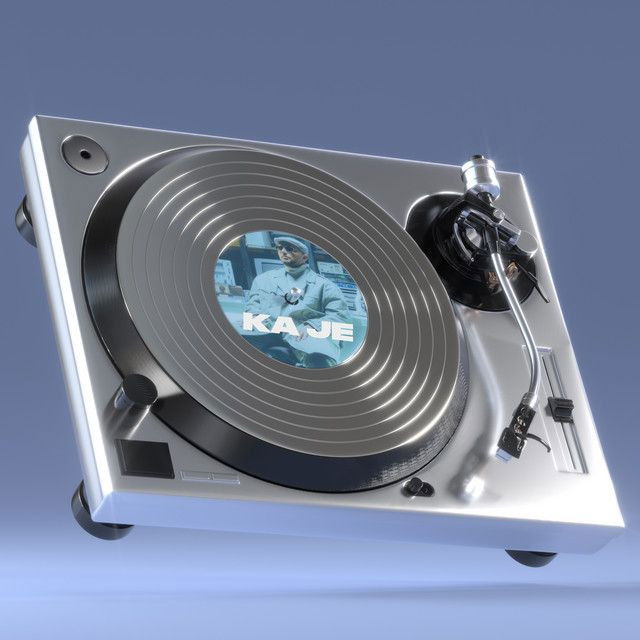
Why 'ka je' by Dardan Feels So Unstable
The meaning of ka je Dardan comes down to a simple but painful tension: two people are drawn to each other, yet their connection never feels secure. The song lives in a world of luxury hotels, expensive cars, and late-night motion, but its real subject is emotional uncertainty.
"ka je" - Dardan
Vielleicht sehen wir uns nie wieder, Shawty, warum nicht?
Deine Playlist, meine Melodien
Loading lyrics...
Unable to load lyrics
We're unable to display the lyrics at this time. Please try again later.
Dardan, the German-Kosovan rapper and singer official artist pages document his background and discography, often blends melodic rap with confessional lines. Here, that mix matters. Even when the song flashes status symbols, it keeps returning to one fear: this person could vanish at any moment.
The Hook Turns Desire Into Anxiety
The emotional center of the song is the repeated idea Nix ist safe
. Before and after that phrase, the narrator frames the relationship as temporary, unstable, and maybe already slipping away. They are not singing about comfort. They are singing from a place of tension.
That makes the title phrase Ka je?
especially important. In Albanian, it means “Where are you?” In the song, that question works on two levels. It can mean physical location, but it also sounds like an emotional check: Are you still here with me? Are we still real?
Interpretation: The hook suggests that desire is strongest precisely because the bond is fragile. The less secure the relationship feels, the more urgent the longing becomes.

Watch the official ka je
music video
Beneath the Flex, There Is a Lack of Time
The verses fill the track with luxury details: a Marriott check-in, Audemars jewelry, a Panamera, a Phantom, and a Barcelona hotel view. On the surface, these lines sound like classic modern rap imagery. They place the speaker in a glamorous, mobile lifestyle.
But the song undercuts that image almost immediately. When the narrator admits that the diamonds do not help because the other person gives them no time, the flex becomes hollow. The same is true when they look back and admit they were often absent while the other person was struggling.
That contrast is central to the meaning of ka je Dardan. The song is not just saying, “I have everything.” It is saying, “I have all these signs of success, and they still cannot fix emotional distance.”
A Story of Motion Without Arrival
The song’s key emotional beats
- The narrator opens from instability, warning that nothing is guaranteed.
- They imagine the possibility of never seeing this person again.
- They try to bridge the gap through music, attraction, and invitation.
- They surround that desire with travel, nightlife, and luxury.
- They reveal that underneath the speed and confidence, they were not truly present.
That timeline helps explain why the song feels sad under its glossy surface. The narrator is always moving, but never arriving at peace. The cars, hotels, and playlists create a sense of constant motion. Emotionally, though, they remain stuck in the same question.
Music, Chemistry, and the Search for a High
One revealing line connects the other person’s playlist with the narrator’s melodies. That image suggests intimacy through taste and sound. Music becomes a meeting point, maybe even a substitute for real closeness.
Then the song asks for Endorphin
. That matters because it frames the relationship like a rush. The other person is not only loved; they are experienced like a chemical lift. This pushes the song toward a blurry line between affection and dependency.
Interpretation: Dardan presents romance here as something that feels good in the moment but may not be stable enough to last. The emotional payoff is intense, yet it may be as short-lived as a late-night high.
The Nightlife Imagery Has a Cost
Later, the song gets darker. References to paranoia, driving fast, and staying awake all night make the glamorous setting feel less carefree. Even the nod to Drake’s Controlla
helps build that atmosphere: seductive, global, and summer-lit on the surface, but emotionally slippery underneath.
One of the strongest lines is the admission that life is short, followed by an invitation to come over. That sounds romantic, but it also sounds impulsive. The song treats time as scarce, which adds urgency to every decision.
The repeated late-night imagery suggests a lifestyle that wears people down. Instead of intimacy bringing peace, the night seems to amplify instability.
Vielleicht sehen wir uns nie wieder
warum nicht?
Those brief lines capture the song’s emotional gamble. The narrator sounds half hopeful, half reckless, as if they know the relationship may not survive and still choose intensity over safety.
How the Sound Supports the Meaning
Dardan’s style often merges trap percussion with melodic phrasing song credits list Dardan Mushkolaj and Farhang Ganji Dastjerdeh as writers. That approach matters here because the production likely supports two feelings at once: movement and melancholy.
The beat structure suggests nightlife energy, while the repeated vocal hook creates a hypnotic effect. Repetition is doing emotional work. Every return to Ka je?
sounds less like a simple question and more like an obsession.
The sleek sound also mirrors the song’s setting. It feels polished, expensive, and modern. But because the lyrics keep circling absence and instability, that polish starts to feel cold rather than comforting.
Final Read on the Meaning
The best way to understand the meaning of ka je Dardan is to hear it as a song about wanting closeness in a life built for motion. The narrator can offer excitement, access, and style, but not necessarily consistency. That is why the track feels romantic and uneasy at the same time.
In the end, the song’s question is bigger than location. It asks where the other person stands, where the relationship stands, and whether any connection can stay solid inside a world that moves this fast.
Disclaimer: This article offers an interpretation of the song based on its lyrics, language, and musical style. Meanings can vary from listener to listener.







