Why “007 (Shanty Town)” Still Hits Hard
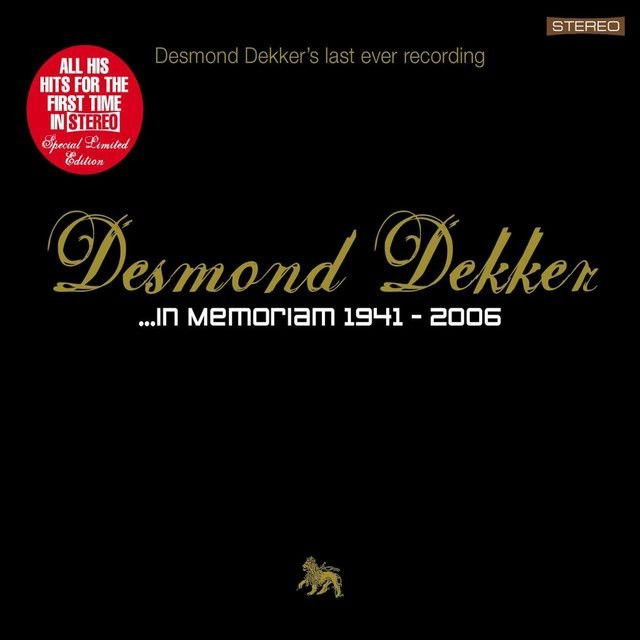
The meaning of 007 (Shanty Town) Desmond Dekker starts with a sharp contradiction: the record sounds smooth, danceable, and cool, yet the world inside it is tense and unstable. Desmond Dekker and the Aces turn a street report into a rocksteady classic, using the rude boy image to talk about crime, poverty, punishment, and public disorder.
"007 (Shanty Town)" - Desmond Dekker
At ocean eleven
And now rude boys have a go wail
Loading lyrics...
Unable to load lyrics
We're unable to display the lyrics at this time. Please try again later.
Released in 1967, the song became a major breakthrough for Jamaican music. According to available chart history and song background, it was produced by Leslie Kong, topped charts in Jamaica, and reached No. 14 in the UK, making it the first Jamaican-produced single to crack the UK Top 20. It is also often described as one of the defining rude boy songs.
The Core Message Behind the Song
At its heart, the song is about a social cycle that keeps repeating. Young men leave jail, get caught up in violence again, and become part of a wider atmosphere of fear. The lyrics sketch a street scene where law enforcement, courts, and punishment exist, but do not solve the deeper problem.
That is why phrases like out of jail
and must get bail
matter. They suggest a revolving door rather than a fresh start. The song is not giving a detailed biography of one person. Instead, it uses a type of character—the rude boy—to represent a broader crisis.
Interpretation: The record sounds like a warning dressed up as a hit single. It recognizes the rude boy’s swagger, but it also shows the wreckage that comes with it.

Watch the official 007 (Shanty Town)
music video
A Street Chronicle, Not a Simple Crime Tale
One reason the song feels vivid is that it was linked to real unrest. Background on the track notes that Dekker said he wrote it after seeing news coverage of a student demonstration tied to redevelopment plans near a beach area and Shanty Town, where events turned violent. That origin matters because it explains why the song does not sound like pure fiction.
When Dekker uses brief, punchy images like loot
, shoot
, and wail
, they work almost like headlines. He compresses panic, violence, and grief into a few hard words. The repeated mention of shanty town
anchors the chaos in a place marked by poverty and neglect.
What “007” Adds to the Story
The title also deepens the song’s meaning. Sources note that the song’s imagery nods to James Bond and Ocean’s 11, both admired by some rudies for their cool outlaw style. That matters because it shows how pop culture can glamorize danger.
Interpretation: Dekker seems to play with that fantasy rather than fully endorse it. “007” suggests style, speed, and bravado, but the verses cut that image down to size. Behind the movie-star cool is a community dealing with real violence.
How the Hook Reframes the Verses
The chorus is catchy, but its catchiness is part of the song’s trick. It pulls listeners in with a memorable chant, then leaves them sitting with scenes of unrest. Instead of offering escape, the repetition makes the situation feel stuck.
That is especially true when the song circles back to jail, bail, and renewed trouble. The structure mirrors the message: this is not one bad night, but a pattern. Every return to the hook feels like another turn of the wheel.
Sound First, Then the Sting
Musically, the track is a classic example of rocksteady’s power. Rocksteady slowed down some of ska’s pace, letting the bass line, offbeat guitar, and vocal phrasing carry more emotional weight. In “007 (Shanty Town),” that smoother groove creates a strange tension. The band sounds controlled even when the lyrics describe disorder.
That contrast is key to the meaning of 007 (Shanty Town) Desmond Dekker. The rhythm feels cool and almost casual, which mirrors the rude boy image. But Dekker’s delivery keeps the stakes clear. He sounds alert, not detached.
Why the Production Matters
Producer Leslie Kong helped shape many important Jamaican recordings, and this song shows why concise production works. Nothing is overdone. The arrangement gives the words room to hit, while the groove keeps the track accessible enough to cross borders.
That crossover mattered historically. The song’s UK success helped show that Jamaican music could thrive outside Jamaica, a point scholars have noted when discussing its influence on later ska and reggae reception abroad.
Two Strong Ways to Read It
There are at least two convincing readings of the song:
- Social warning: It describes the rude boy life as a trap fueled by poverty, punishment, and unrest.
- Cultural snapshot: It captures a real moment in Kingston, where street identity, state authority, and pop mythology collided.
Both readings can be true at once. The song is too sharp to be only a sermon, but too uneasy to be simple celebration.
Why It Still Lasts
Part of the song’s staying power is how little it wastes. In a short running time, it captures style, fear, class tension, and street politics. It also influenced later artists and lived on through covers, samples, film soundtracks, and game soundtracks, proving its reach far beyond its original release.
In the end, “007 (Shanty Town)” lasts because it understands a hard truth: danger can look glamorous from a distance. Up close, it sounds like a community in pain.
Disclaimer: This interpretation mixes documented context with informed reading of the lyrics and sound. Song meaning can remain open to more than one valid interpretation.








