Why 'Rainbow in the Dark' Still Hits Hard
The meaning of Rainbow in the Dark Dio comes down to one powerful idea: feeling isolated while still carrying a spark of life inside. Dio’s hit does not just describe sadness. It turns that sadness into a strange, unforgettable picture of beauty trapped in darkness.
"Rainbow in the Dark" - Dio
'Cause it's free and I see that it's me
Who's lost and never found
Loading lyrics...
Unable to load lyrics
We're unable to display the lyrics at this time. Please try again later.
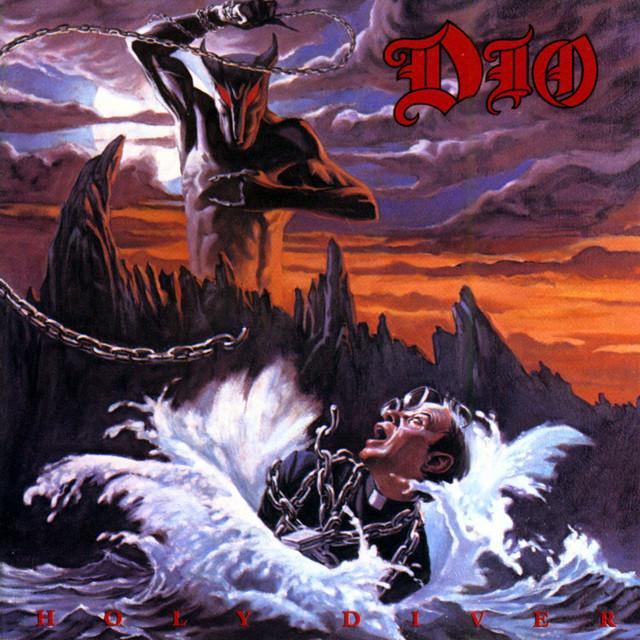
Released on Holy Diver in 1983, the song became one of Dio’s signature tracks and one of metal’s most durable crossover songs. According to Songfacts, Ronnie James Dio linked the lyric to feeling “alone and rejected” after his time in Black Sabbath. That context matters, because the song sounds personal even when its words stay poetic.
A Bright Symbol Inside a Dark Mood
At the center of the song is the image rainbow in the dark
. Before even unpacking each verse, that phrase tells listeners almost everything. A rainbow usually suggests wonder, color, or hope. Darkness suggests fear, confusion, and isolation.
Put together, the image feels impossible on purpose. Interpretation: the singer seems to see themself as someone with value and emotion, but cut off from the place where that value can be seen. They are vivid on the inside and stranded on the outside.
The verses support that reading. Early lines describe lightning that brings them down and a self that feels lost and never found
. Rather than telling a clear story with characters and events, the lyric moves through emotional states: fear, longing, memory, and self-doubt.

Watch the official Rainbow in the Dark
music video
What the Verses Are Really Saying
The song opens with weather imagery, but it is really emotional weather. Lightning is not just a storm detail. It feels like a trigger, a flash that exposes pain. Then the singer reaches for escape through magic
, only to fall back into the “shadows of the night.”
That movement is important. The lyric keeps raising the possibility of release, then pulling it away. There is no real sunrise yet, only the idea that morning should come and does not.
No sign of the morning coming
You've been left on your own
This brief chorus moment gives the song its emotional core. The problem is not just sadness. It is abandonment. The person in the song feels separated from comfort, from certainty, and maybe even from their old self.
Demons, Mirrors, and a Broken Self
In the second verse, the song becomes even more psychological. The question about demons asks whether inner struggles ever truly let a person go. That broadens the song beyond heartbreak. It starts to sound like an argument with the mind itself.
Then the lyric shifts into images of identity: a picture, an image caught in time, words without rhyme. Those ideas suggest someone who no longer feels whole or natural. Interpretation: the singer may feel frozen by trauma or disappointment, as if life has stopped moving forward.
That is why the hook lands so hard. It is not only catchy. It summarizes the whole emotional condition. The person is still there, still colorful in some sense, but unable to belong to the world around them.
How the Sound Helps the Meaning
Part of what makes the track special is that it does not sound crushed by despair. It sounds huge, melodic, and alive. That contrast is one reason the song lasts.
Songfacts notes that the track’s strong keyboard presence helped make it more accessible than many heavier metal songs from the era. The arrangement mixes a driving rock pulse with bright synth lines, sharp guitar work, and Ronnie James Dio’s dramatic vocal style. The result is emotional tension: the words describe darkness, while the music keeps pushing upward.
That upward push fits the theme. Interpretation: the band makes the song feel like resistance. Even in pain, it moves. Even in fear, it reaches.
There is also a useful bit of history here. Ronnie James Dio reportedly did not want the song on Holy Diver at first, saying it felt too pop-oriented for the album, but he later admitted that it worked, according to Songfacts. That tension between metal darkness and pop brightness is not a flaw. It is exactly what the song is about.
Band Context Makes It Clearer
“Rainbow in the Dark” was written by Ronnie James Dio, Jimmy Bain, Vivian Campbell, and Vinny Appice. Songfacts also reports that the song grew from a riff by Campbell and had an early working title, A Bottle of Wine
. That collaborative origin helps explain why the track feels so balanced between hook, riff, and atmosphere.
The timing matters too. Dio had recently moved on from Black Sabbath and launched his own band. In that setting, a song about being on one’s own carries extra weight. It can be heard as personal recovery after a major break, not just abstract poetry.
Why the Song Still Connects
The meaning of Rainbow in the Dark Dio still resonates because it turns private pain into a clear image without overexplaining it. Listeners can hear depression, loneliness, creative frustration, or the fear of starting over.
Just as important, the song never stays flat emotionally. Its chorus is lonely, but its sound is bold. Its verses are uncertain, but its performance is confident. That mix gives the track its staying power.
In the end, “Rainbow in the Dark” feels like a song about surviving the night without pretending the night is easy. That is why it still speaks to people.
Disclaimer: This interpretation blends documented context with lyrical analysis, so some meanings remain open to listener perspective.








