Why “Revolution” Turns Pain Into Hope
The meaning of Revolution Diplo, Imanos, Faustix, Kai comes down to one simple idea: survival can feel like a rebirth. Even though the title sounds political, the song’s lyrics point inward first. They focus on fear, self-doubt, and the moment a person decides not to stay trapped there.
"Revolution" - Diplo ft. Imanos, Faustix, Kai
The worst is over
The monsters in my head are scared of love
Loading lyrics...
Unable to load lyrics
We're unable to display the lyrics at this time. Please try again later.
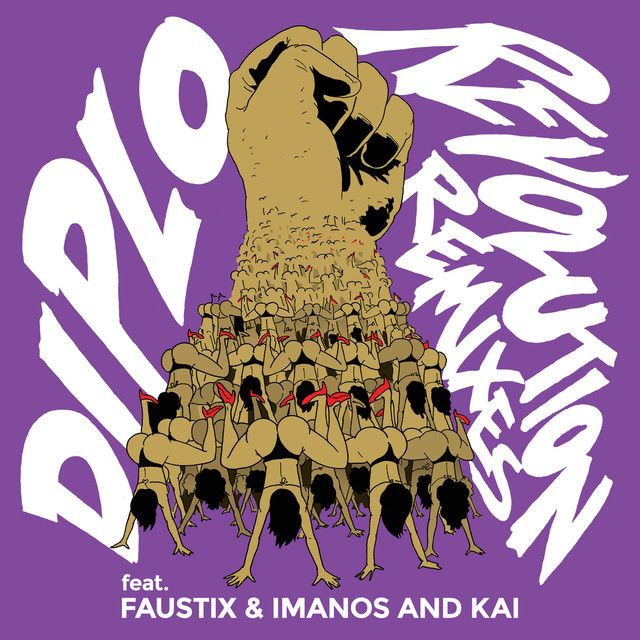
Released as the title track of Diplo’s 2013 Revolution EP, the song also gained extra visibility through pop culture placements, including a Hyundai commercial, the WWE 2K16 soundtrack, and later Bernie Sanders’ ad “It’s A Revolution,” according to publicly documented release history and usage notes on Diplo’s profile (source). That public life matters because it shows how easily the song’s message can stretch from the personal to the collective.
The Heart of the Message Is Personal First
At its core, “Revolution” is about emotional rescue. The opening asks if the listener can recognize a change in the air, then quickly offers relief: the hard part is ending. From there, the song names inner struggle through the phrase monsters in my head
. That image suggests anxiety, depression, intrusive thoughts, or old shame.
Instead of staying in that dark space, the lyric pushes toward recovery. The song tells wounded people to pay attention because life can still turn. In plain terms, it says bad luck is not fixed and pain is not destiny.
Interpretation: The “revolution” is not mainly about overthrowing a system. It is about overthrowing the version of the self that has accepted defeat.

Watch the official Revolution
music video
How the Lyrics Move From Fear to Motion
One reason the song connects so quickly is that its writing is very direct. It does not bury its meaning in complex detail. It speaks like a pep talk, but a sincere one.
The central advice appears in lines like don’t let them steal your light
and don’t let them break your stride
. Before and after those phrases, the song frames resistance as something active. The listener is not asked to wait for rescue. They are asked to keep moving.
That makes the song’s emotional timeline easy to follow:
- They acknowledge mental and emotional struggle.
- They tell hurting people they still have time.
- They warn against forces that drain confidence.
- They promise hope on the far side of pain.
- They rename that breakthrough a “revolution.”
This structure is simple, but effective. The verses identify the wound, and the chorus turns endurance into action.
The Chorus Makes Healing Sound Huge
The hook is why the song feels bigger than a private confession. When Kai sings It’s a revolution
, the track reframes recovery as an event. It is no longer just one person coping in silence. It sounds like a crowd rising together.
That shift matters. A lot of dance music uses repetition for energy alone, but here repetition also creates belief. The more the title repeats, the more the song tries to make change feel real and immediate.
There is light on the other side
And you'll see all the raindrops falling behind
Those images are not complicated, but they are effective. Light suggests clarity and safety. Rain left behind suggests grief that no longer controls the future.
Interpretation: The chorus treats healing like a public victory parade. That is why it can feel so cathartic in a club, at a festival, or alone in headphones.
Sound Design That Sells the Meaning
Production is a huge part of the meaning of Revolution Diplo, Imanos, Faustix, Kai. Diplo, born Thomas Wesley Pentz Jr., built a career by blending club music with global and pop influences, from Mad Decent releases to projects like Major Lazer, Jack Ü, LSD, and Silk City (source). That background helps explain why “Revolution” is both polished and physical.
The track uses a classic dance build: tense verses, rising momentum, then a release-heavy drop. But unlike colder EDM songs from the same era, this one keeps its emotional center close. Kai’s vocal is warm and earnest, not distant or robotic. That human tone prevents the song from feeling like empty festival branding.
The instrumental also mirrors the lyric arc. The beat grows larger as the message grows more confident. Bright synth textures and the massive drop make the promised breakthrough feel audible, not just stated.
Why the Drop Matters
In many dance tracks, the drop is pure adrenaline. Here, it acts like emotional proof. After the song talks about surviving inner darkness, the drop delivers a burst of freedom. It sounds like pressure finally breaking open.
A Collective Anthem Hidden Inside a Self-Help Song
Because the lyrics are broad, listeners can map them onto many struggles. Some hear a mental health anthem. Others hear a breakup recovery song. Still others hear a social message because the title and scale imply mass movement.
All of those readings are plausible, but the text itself stays broad on purpose. It addresses fallen people
, which opens the door to anyone who feels bruised, defeated, or left behind. That inclusive language is a big reason the song traveled so well across ads, sports entertainment, and politics.
Interpretation: The song works because it starts with private pain and ends with shared momentum. It lets one person’s comeback sound like everyone’s.
Why the Song Still Works
More than a decade later, “Revolution” still lands because it does not overcomplicate hope. It names fear, answers it with love and persistence, and uses dance production to make that answer feel thrilling.
For listeners searching for the meaning of Revolution Diplo, Imanos, Faustix, Kai, the clearest answer is this: the song turns emotional survival into a rallying cry. It says the mind can be a battleground, but it does not have to stay one.
That reading is an interpretation based on the lyrics, sound, and public context of the track. Like any song, its meaning can shift with the listener’s own life and experience.








