Why 'Scratchcard Lanyard' Feels So Empty
The meaning of Scratchcard Lanyard Dry Cleaning starts with a strange feeling: too much life, not enough feeling. Dry Cleaning’s song sounds funny, sharp, and random on first listen. But under that cool surface, it points to burnout, social pressure, and the odd way modern life turns people into consumers of experiences instead of people fully living them.
"Scratchcard Lanyard" - Dry Cleaning
Rose falling and exploding
And you can't save the world on your own
Loading lyrics...
Unable to load lyrics
We're unable to display the lyrics at this time. Please try again later.
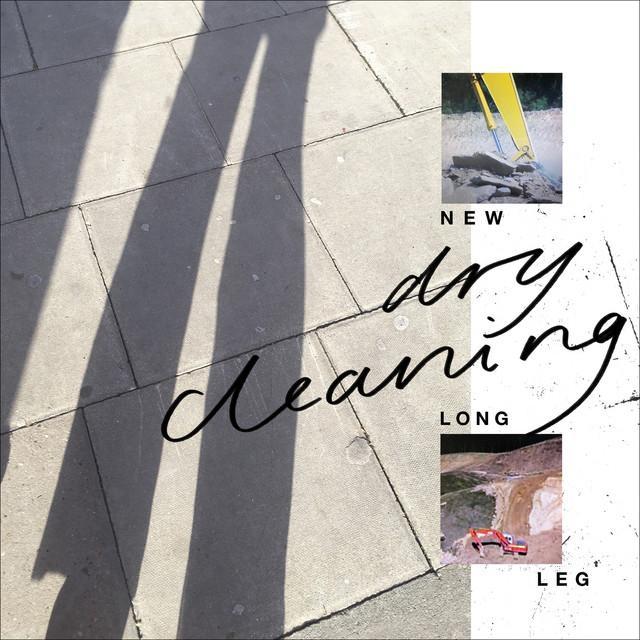
Released in November 2020 as Dry Cleaning’s first single for 4AD and later featured on New Long Leg (2021), the track was produced by John Parish and recorded at Rockfield Studios, according to widely cited release information. It quickly became one of the band’s defining songs, praised by outlets like Rolling Stone and Pitchfork for its deadpan voice and wiry post-punk force.
The Real Target of the Song
On the surface, the lyrics jump between tiny scenes, odd commands, and surreal images. A snack in a bag, a craft class, a theme park item, a boast, a threat. It can sound like a notebook emptied straight into a microphone.
Interpretation: the point is not a tidy story. The point is the pressure of cluttered living.
The key refrain, Do everything and feel nothing
, gives the song its center. Dry Cleaning stack up consumer objects and activity words until life starts to sound like a checklist. The title image itself, scratch card, lanyard
, feels cheap, practical, and disposable. Those are not grand symbols. They are the kind of things people collect while moving through systems, jobs, events, and routines.
That makes the song feel like a critique of modern performance: keep busy, keep buying, keep appearing engaged. But inside, they may feel flat.

Watch the official Scratchcard Lanyard
music video
Florence Shaw’s Revenge Fantasy
There is useful context here. Florence Shaw has described the song as a “revenge fantasy” about being tired of the roles expected of women over 30, especially around pressure to have children. That comment matters because it helps organize the song’s scattered images.
Interpretation: many of the song’s jokes and jabs come from that frustration. The voice resists being neatly categorized as nurturing, stable, or socially graceful. When the speaker says they have come to learn how to mingle or dance, it sounds less like sincere self-improvement and more like sarcasm aimed at all the boxes they are supposed to tick.
The line about making a ceramic shoe and smashing what someone else made pushes that mood further. It turns self-betterment culture into something absurd and aggressive. Instead of becoming their best self, they threaten the whole workshop.
A Mind Full of Objects and Static
One reason the song feels so vivid is its image system. Shaw moves from food to travel to crafts to family remarks with almost no warning. They mention an old sandwich
, a hardy banana
, and a casual thank-you for a candy bar. These details sound silly, but they keep the song grounded in ordinary life.
Then the lyrics swerve into exaggerated or cinematic pictures, including the repeated image of a woman in aviators
with a weapon. That clash matters.
Interpretation: the speaker is split between the everyday and the explosive. They are stuck in chores, chats, and expectations, yet they also imagine force, escape, and retaliation. That is why the song feels both comic and tense.
The repeated list of global “bouncy ball” locations also fits this pattern. Travel, novelty, and internet-era stimulation are reduced to toy-like objects. Big worldliness becomes tiny and silly.
Why the Sound Makes the Message Stronger
The band’s arrangement is a huge part of the meaning of Scratchcard Lanyard Dry Cleaning. The music is upbeat, tight, and driving, with bass and drums locking into a steady pulse while guitar lines scratch and glide around Shaw’s voice. Reports on the recording note that drummer Nick Buxton used a drum machine as part of the track’s feel, which adds to its mechanical motion.
That matters because the song does not sound sad in a soft or fragile way. It sounds brisk, stylish, and controlled. Shaw’s spoken delivery is famously flat, but the band behind them is restless. That contrast creates the song’s emotional trick.
They sound detached, while the music sounds like a nervous system firing too fast.
So when the lyrics talk about hiding for a bit or feeling nothing, the track itself refuses stillness. It keeps moving, almost like the systems the song criticizes.
More Than Random: How the Lines Connect
A good way to read the song is as a chain of pressures:
- social pressure to act correctly
- pressure to consume and stay entertained
- pressure to seem fine
- pressure to remain emotionally useful to others
That is why lines that seem unconnected actually belong together. Family talk, classes, food, shopping-adjacent objects, and small social rituals all become part of one larger mood. Even the line about someone seeming put-together, with a new coat and new hair, carries a bitter edge. Presentation becomes another contest.
Interpretation: the closing threat feels less literal than emotional. It sounds like resentment toward polished people, or toward the whole culture of having it together.
Why the Song Lasted
“Scratchcard Lanyard” stood out because it made alienation catchy. Critics highlighted its strange charm, and the song later appeared on several year-end lists. It also helped introduce many U.S. listeners to Dry Cleaning’s mix of spoken-word cool and post-punk bite.
What lasts is how accurately it captures a certain kind of 21st-century exhaustion. The song is full of things to do, things to buy, things to say, and roles to perform. Yet its emotional headline is still emptiness.
That is why the meaning of Scratchcard Lanyard Dry Cleaning is bigger than its odd details. The weirdness is the message. It shows a life crowded with stimuli, where sarcasm becomes a shield and numbness becomes a survival skill.
Interpretation disclaimer: song meanings are never fully fixed. This reading is based on the lyrics, band context, and publicly discussed comments, but listeners may hear different shades of humor, anger, and social critique in the track.








