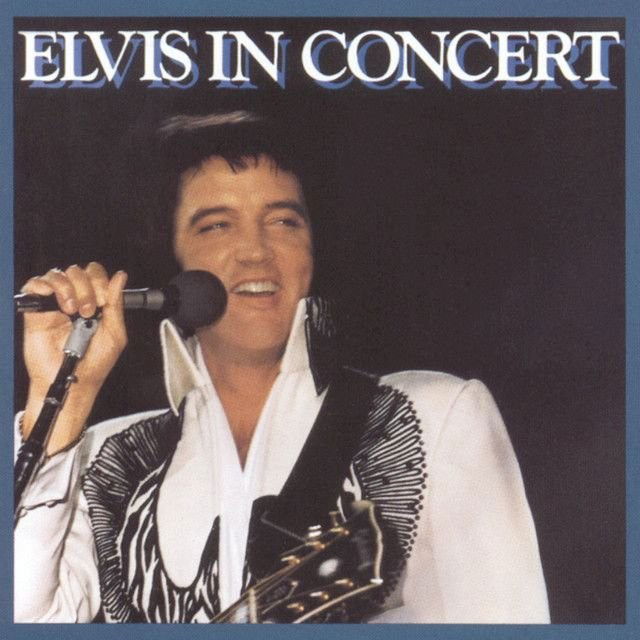
Memphis Tennessee by Elvis Presley
The meaning of Memphis Tennessee Elvis Presley version starts with a clever trick. It sounds like a man making a routine long-distance call, asking an operator for help. But as the story unfolds, the song turns into something much more emotional: a portrait of separation, memory, and a parent trying to reconnect with a child.
"Memphis Tennessee" - Elvis Presley
Help me find the party trying to get in touch with me
She could not leave her number but i know who placed the call
Loading lyrics...
Unable to load lyrics
We're unable to display the lyrics at this time. Please try again later.
Chuck Berry wrote Memphis, Tennessee, and Elvis later recorded it with the ease of someone who understood both rock and Southern storytelling. That matters because Elvis was deeply tied to Memphis itself. His family moved there when he was 13, and the city helped shape his sound through Beale Street, local radio, and Sun Studio, as noted in major biographical accounts such as Wikipedia’s Elvis Presley entry.
A Story Song Hiding Its Heart
At first, the lyrics seem simple. The singer calls long distance information
and asks for help finding someone in Memphis. He gives bits of location and family detail, almost like a detective piecing together a trail. This setup feels casual, even upbeat.
That is the song’s great trick. The narrator keeps the listener slightly off balance. When he says he misses Marie and remembers all the fun we had
, many listeners may assume Marie is an ex-lover. The writing encourages that reading on purpose.
Interpretation: Berry built the song to make the reveal hit harder. By sounding like a breakup song at first, it turns ordinary longing into something deeper and more vulnerable.

Watch the official Memphis Tennessee
music video
The Twist That Changes Everything
The emotional center arrives late. The song reveals that Marie is only six years old
. In one line, the whole story changes shape.
Now the earlier clues look different. The narrator is not chasing a romance. They are trying to reach their daughter. The split in the family was not just a lovers’ argument. It was a broken home, and the child got caught in the middle.
This is why the song lasts. The final verse reframes every line before it. Even the earlier mention that her mother did not agree takes on more weight. What sounded like resistance to a relationship now sounds like family division and possible custody pain.
waving me goodbye
drops on her cheek
try to put me through
Those short images turn the song from clever to heartbreaking. They show a child leaving, tears on her face, and a parent who can do little except ask a stranger on the phone for help.
How the Lyrics Build Suspense
One reason the song works so well is its structure. Each verse gives only a little more information. First comes the phone call. Then comes the address detail, with the south side and the bridge. Then comes the family conflict. Only at the end does the truth fully appear.
That gradual reveal mirrors the narrator’s emotional state. They cannot say the whole thing at once. Instead, the story comes out in fragments, as if the pain is easier to manage when spoken piece by piece.
Interpretation: The operator is more than a plot device. They represent distance itself: a neutral middle person standing between the narrator and the child they love.
Why Elvis’s Version Feels So Natural
Elvis did not write the song, but he was a strong interpreter of emotional material. His musical roots blended country, rhythm and blues, rockabilly, and pop, a mix widely documented in biographies and histories of his career, including his early Sun Records years. That blend fits this song perfectly.
In Elvis’s hands, the track carries forward motion without losing tenderness. The rhythm keeps it from sinking into pure sadness, while the vocal phrasing leaves room for regret. That balance matters. If the performance were too dramatic, the twist might feel forced. If it were too light, the pain would not land.
Instead, Elvis lets the story do the work. They deliver the words with a conversational flow, which suits a lyric built around a phone request. The result is a version that sounds lived-in rather than staged.
Sound, Setting, and Memphis Itself
The production style of songs like this draws from classic rock storytelling: clear beat, direct melody, and enough swing to keep the narrative moving. That makes the emotional blow sharper, not softer. The cheerful motion contrasts with the lonely message.
Memphis is also more than a map point here. In American music, Memphis carries ideas of home, roots, and Southern identity. For Elvis, that connection runs even deeper because the city shaped his life and career. He later died there at Graceland, adding another layer to the city’s place in his legacy, according to biographical records.
So when Elvis sings about Memphis, listeners may hear more than a location. They may hear a place tied to belonging, memory, and return.
The Lasting Meaning of Memphis Tennessee Elvis Presley
The meaning of Memphis Tennessee Elvis Presley version lies in how it hides grief inside a catchy rock song. Beneath the brisk rhythm is a story about a father, a daughter, and the ache of being kept apart.
Its brilliance comes from restraint. The song does not explain every legal or family detail. It does not need to. A few sharp images and one late reveal do the job.
That is why the track still resonates. It captures how ordinary actions, like making a phone call, can carry enormous emotional weight when someone is trying to reach home.
Disclaimer: This article offers a good-faith interpretation of the song based on the lyrics, recording context, and artist history. Interpretations can vary from listener to listener.








