Why 'The New Black' Still Cuts Deep
The meaning of The New Black Every Time I Die starts with attitude. On the surface, the song sounds cocky, stylish, and almost celebratory. Under that surface, though, it feels like a sneer at image culture: the people who build identities out of irony, distance, and being too cool to care.
"The New Black" - Every Time I Die
And maybe I'm not at all down and out
Well I'm high and I'm in
Loading lyrics...
Unable to load lyrics
We're unable to display the lyrics at this time. Please try again later.
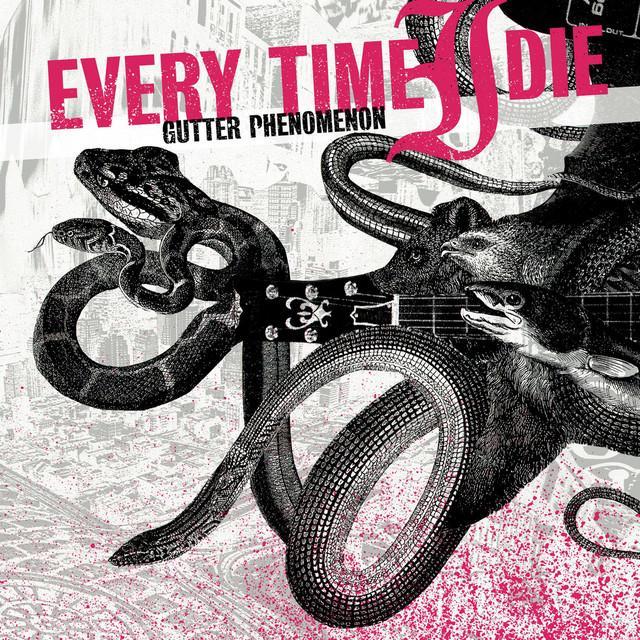
Every Time I Die were known for mixing aggression with wit, and this track is one of their clearest examples. Released on Gutter Phenomenon, the song helped introduce many listeners to the Buffalo band’s bluesy, hard-rock side while keeping their bite intact. In the larger arc of their career, critics have noted that Gutter Phenomenon pushed further into classic-rock hooks without losing heaviness, and that “The New Black” became a major gateway song for the band.
A Smirk Hiding a Bruise
At its core, the song seems to describe a speaker performing confidence because real vulnerability feels dangerous. They act above the room, above the crowd, and maybe above intimacy too. Early lines set that tone by turning misunderstanding into identity. When the speaker says you got me all wrong
, it does not sound like a plea for empathy. It sounds like they would rather weaponize being misread than explain themselves.
That idea keeps building. The self-description as a hardened, culture-savvy figure suggests someone shaped by scene politics and public perception. Interpretation: the song is not just about one bad relationship. It is about a whole social world where people become brands, and detachment becomes a kind of currency.

Watch the official The New Black
music video
The Dance Floor Is a Social Trap
One of the song’s smartest moves is its use of party imagery. Instead of making the dance floor a place of release, it turns it into a stage where everyone is watched. The image of standing like strangers in a lift is cold and awkward, not romantic. Even movement becomes stiff.
That is why the line We don't dance
matters so much. The song mocks the idea of having “class” while clearly having no joy. It presents a crowd that mistakes numbness for sophistication. Then it lands on one of its sharpest phrases: we're just stunned
. In plain terms, they are not dazzling or glamorous. They are emotionally frozen.
The Hook Turns Judgment Into Power
The chorus is the emotional center of the track because it flips criticism into pride. The repeated phrase If everything I do is wrong
becomes a dare. The speaker refuses shame and turns rejection into self-justification.
Interpretation: this can be heard two ways:
- as genuine defiance from someone tired of being policed
- as the last defense of someone who cannot admit they are hurting others or themselves
That ambiguity is part of why the song lasts. It sounds triumphant, but it also sounds brittle. The speaker may be winning the argument while losing the bigger human connection.
Desire, Rejection, and Control
The second half pushes deeper into power games. Attraction in this song rarely feels warm. It feels competitive. The speaker claims not to need what others want, which creates a pose of superiority, but it also reveals obsession with how they are seen.
That is where the song gets cruel in an intentional way. The phrase turn you down
is not just about romance. It suggests that refusal itself has become exciting. In other words, denying access becomes its own thrill. Interpretation: the song may be criticizing scenes and relationships built on scarcity, status, and performative indifference.
A Camera, a Crowd, and Public Suffering
Another key image is public witnessing. The mention of the camera suggests that pain is no longer private. Everything happens in front of an audience, and the audience changes the meaning of the pain.
With the camera as a witness I will suffer
With the camera as a witness I will suffer
That short moment helps explain the whole song. Suffering becomes a spectacle. The speaker knows they are being seen, and that knowledge shapes their behavior. In a modern sense, the line feels strikingly current: image, performance, and self-mythology blur together.
How the Sound Sharpens the Meaning
Musically, “The New Black” matters because it shows how Every Time I Die could make heavy music feel catchy without smoothing out its rough edges. Writers looking back on the band’s catalog have pointed to Gutter Phenomenon as the album where the group leaned harder into classic-rock and radio-ready hooks while staying aggressive. This track is one of the clearest examples of that balance.
The guitars swagger instead of simply bludgeoning. The rhythm feels almost strut-like, which fits a song about posture, trend, and display. Keith Buckley’s vocal approach is also crucial. Rather than relying only on screams, he belts lines with a taunting lift, making the song sound like a public challenge.
That accessibility helped the track travel. It became one of the band’s best-known songs and an entry point for listeners beyond strict metalcore circles. That wider reach fits the song’s own subject: style, visibility, and the uneasy pull between authenticity and performance.
Why It Still Lands
The meaning of The New Black Every Time I Die endures because its target is still familiar. Coolness still gets confused with honesty. Social scenes still reward irony, distance, and spectacle. People still turn judgment into branding.
What the song captures so well is the cost of that pose. Beneath the arrogance is alienation. Beneath the swagger is exhaustion. It is a song about wanting power over the room, then revealing how empty that victory can feel.
That is why “The New Black” remains more than a catchy hard-rock single. It is a satire of status and self-protection, delivered with enough force that it can still sound like an anthem even while it tears the anthem apart.
Disclaimer: This interpretation is based on the lyrics, performance, and known context around the band and release. As with all song analysis, some meaning remains open to listener interpretation.







