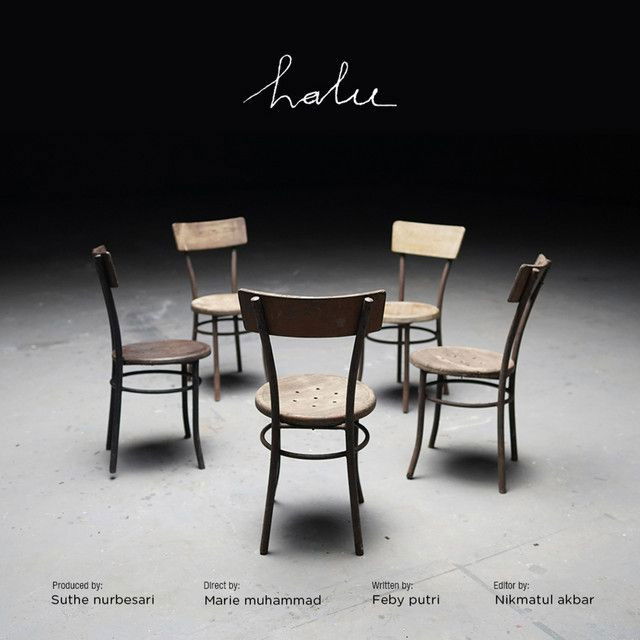
Halu by Feby Putri
Why This Song Hits So Quietly
The meaning of Halu Feby Putri centers on a simple but painful idea: they are in love with someone they cannot truly have, so the relationship mostly survives in imagination. The title itself matters. In Indonesian slang, “halu” comes from “halusinasi,” and it often describes someone lost in fantasy or wishful thinking. That gives the song its emotional frame before a single line is even explained.
"Halu" - Feby Putri
Ingin trus ku lihat walau
Ku berandai kau disini mengobati rindu ruai
Loading lyrics...
Unable to load lyrics
We're unable to display the lyrics at this time. Please try again later.
Rather than describe a real romance, the lyric speaker stays trapped between desire and reality. They are pulled in by a beautiful smile, comforted by daydreams, and then forced to admit those dreams are not enough. That mix of sweetness and sadness is what makes the song so relatable.

Watch the official Halu
music video
A Crush That Lives in the Mind
At its core, the song is about one-sided longing. The speaker admires someone from afar and imagines closeness that never fully happens. Early on, the image of a smile feels almost addictive, captured in the phrase bagaikan candu
. In plain terms, that person’s charm becomes hard to resist.
The next emotional move is distance. The speaker does not stand beside the person they want; they can only keep looking, even if it is dari jauh
. That small detail matters because it turns attraction into helplessness. They can see, admire, and dream—but not reach.
How the Lyrics Build the Story
From desire to self-awareness
The song unfolds like a private confession. First, the speaker imagines the person being present and easing loneliness. Then they admit they are alone with feelings that go unheard. The emotion is not dramatic in a loud way; it is inward, almost whispered.
A key line of thought appears when the speaker recognizes that this feeling has grown on its own. They did not plan it. They simply fell into it. That is why the song feels tender rather than bitter. They are not blaming the other person; they are wrestling with their own heart.
Later, the lyric points to bayang bayangmu
, or the person’s shadow/image. This suggests the speaker may not even be in love with a full, real relationship. They may be in love with an idea, a presence, a mental picture. That is the emotional turning point of the song.
The Chorus: Sweet Fantasy, Hard Truth
The chorus repeats the smile, the distance, and the final realization that this love story is only a dream. Repetition is important here because it mirrors obsession. The same thought comes back again and again, as if the speaker cannot stop replaying it.
The clearest moment of self-awareness comes with hanya mimpiku
. They finally understand the closeness they want exists mostly in fantasy. Right after that, the song lands its saddest admission: bisa bersamamu
is something they only imagined.
Sekarang aku pun sadari
semua hanya mimpiku
Those brief lines summarize the whole song: the speaker wakes up emotionally, but that awakening hurts. They now know desire alone cannot create a relationship.
What the Main Images Mean
Several images carry the song’s emotional weight:
- The smile: attraction, comfort, and temptation.
- Distance: the gap between what they feel and what they can actually have.
- Shadow or image: loving a version of someone shaped by fantasy.
- Silence and doubt: emotional paralysis.
Near the end, the song mentions being approached by countless doubts and staying quiet. That detail is crucial. The speaker does not act. They freeze. Interpretation: this can suggest shyness, fear of rejection, or the painful knowledge that speaking up may change nothing.
How Feby Putri’s Style Deepens the Meaning
Feby Putri is known for intimate, acoustic-leaning songs, and that style fits “Halu” perfectly. Her work has been associated with a gentle singer-songwriter approach in Indonesia, and her music often foregrounds vulnerability, as heard across releases connected to Feby Putri and coverage of her discography.
In “Halu,” the soft arrangement helps the meaning land. The performance does not push the listener with big drums or dramatic production. Instead, the likely focus is voice, melody, and a light instrumental bed. That restraint mirrors the song’s theme: this is not a realized love story but a private fantasy.
The vocal delivery matters too. Feby Putri sings with a delicate, close feeling, which makes the listener feel as if they are hearing thoughts before they are spoken aloud. The result is emotional honesty. The song sounds like someone trying not to cry while admitting the truth.
Alternate Readings Worth Considering
Interpretation: the most direct reading is unrequited love. The speaker likes someone deeply, watches from afar, and finally accepts it is only a dream.
Interpretation: another reading is that the song is about parasocial or idealized affection. Because the lyric stresses distance and image, the speaker may be attached less to a mutual bond than to a perfect fantasy they created themselves.
Both readings fit the text. What matters most is the same emotional lesson: imagination can feel comforting, but it can also trap a person in longing.
Why the Song Connects Beyond Language
Even listeners who do not speak Indonesian can feel what “Halu” is doing. The melody is soft, the repeated hook feels circular, and the emotional arc is easy to recognize. Many people know the experience of hoping too much, reading too much into a smile, or building a future in their head before anything is real.
That is why the meaning of Halu Feby Putri travels well. It is a song about the thin line between hope and illusion. It does not mock daydreaming. It understands why people do it. But it also shows the lonely cost of living there too long.
Final Take
“Halu” captures the ache of loving from a distance and realizing the relationship exists mostly in imagination. Its beauty comes from that honesty: the speaker knows the dream is unreal, yet they cannot stop feeling it.
That tension—between comfort and heartbreak—is the song’s true power. Disclaimer: this interpretation is based on the lyrics, title, and available artist context, and other listeners may reasonably hear it differently.







