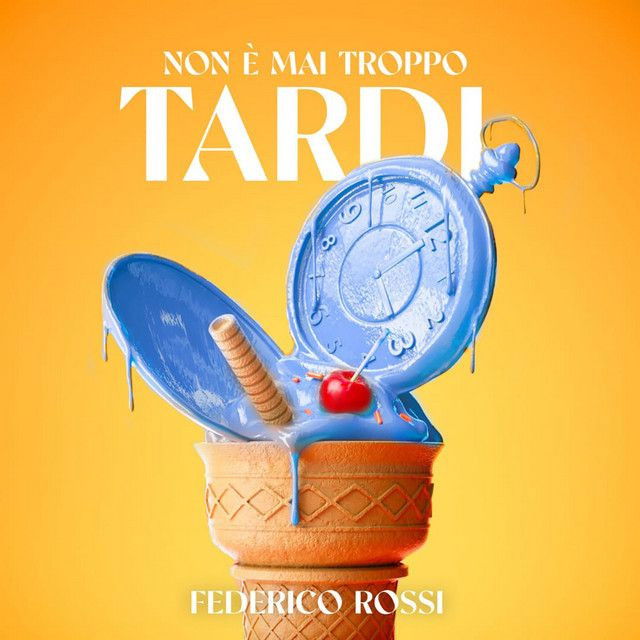
Why 'Non è mai troppo tardi' Feels So Free
The meaning of Non è mai troppo tardi Federico Rossi comes down to one simple but powerful idea: real connection does not obey the clock. Federico Rossi turns that thought into a summer-pop scene where night, dancing, and emotional risk all blend together. The song sounds light on the surface, but its message is more serious than its breezy mood suggests.
"Non è mai troppo tardi" - Federico Rossi
E non so neanche da dove siamo partiti
Ma non so stare serio se sorridi
Loading lyrics...
Unable to load lyrics
We're unable to display the lyrics at this time. Please try again later.
Released on July 2, 2021, the single marked another early solo step for Rossi and was credited as a merengue-leaning pop track produced by Itaca, the duo linked to Merk & Kremont. It later earned Platinum certification in Italy, according to FIMI data summarized by Wikipedia. That success fits the song’s appeal: it is catchy, warm, and emotionally clear.
A Love Song About Timing—and Ignoring It
At its core, the song is about two people who meet in a moment that feels sudden yet strangely familiar. The speaker does not fully know where the story began, but they know the pull is real. Early lines suggest surprise and disarmament: one smile is enough to break seriousness and pull them closer.
The title phrase, non è mai troppo tardi
, is not just romantic reassurance. It is the song’s worldview. Rossi presents timing as a mental barrier more than a real one. If two people can still find each other now, then “late” stops meaning failure.
Interpretation: The song argues that love becomes possible the moment people stop measuring whether it is convenient, expected, or perfectly planned.

Watch the official Non è mai troppo tardi
music video
The Story Moves Like a Summer Night
The lyrics unfold in a loose timeline, and that helps the song feel cinematic.
- A night encounter begins almost out of nowhere.
- The two people move toward each other with mutual energy.
- Doubt appears, but only briefly.
- They choose presence over distance.
- Dawn arrives, and the feeling still holds.
That flow matters. Rossi places the relationship in temporary spaces: moonlight, a beach setting, and the hours before sunrise. When he mentions dancing fuori da un chiringuito
, the image is casual and vivid. It sounds like vacation, but it also suggests an emotional borderland—a place outside routine where people can be more honest.
When the Chorus Turns a Crush Into a Belief
The chorus is repetitive by design, and that repetition gives the song its emotional weight. Instead of adding plot, it deepens conviction. The point is not what happened next. The point is that one shared instant can change everything.
A key line suggests that just basta un momento
for two people to find each other. That idea makes the chorus feel larger than flirtation. It says that intimacy can arrive fast, but still be meaningful.
E non è mai troppo tardi
Suona strano può darsi
Se poi basta un momento per trovarsi
This is the song’s central emotional turn. It admits the idea may sound strange, then defends it anyway. That little hesitation makes the hook more believable. The speaker knows the claim is bold, but they choose it.
Images of Sand, Islands, Moonlight, and Dawn
Several images give the song depth beyond its radio-ready surface.
Sand and footsteps
When the lyrics describe sand being thrown on footsteps, the image hints at traces being covered. In plain terms, the past becomes less important. Old paths fade as this new connection takes over.
Two islands, one sea
The comparison to due isole
is one of the song’s strongest images. Two islands are separate, but they face the same water. That means distance exists, yet so does shared space. They are alone together.
Interpretation: This metaphor suggests two people with separate lives, histories, or defenses who still belong in the same emotional landscape.
Dawn after darkness
By the final section, the song moves toward dawn. That shift matters. Night in pop music often means secrecy or desire. Here, dawn brings clarity without ruining the mood. They can finally see what the night was leading to.
The request to stay a little longer and let dark days sink away like something dropped into a glass turns the song therapeutic. It is not only about attraction. It is about relief.
How the Sound Sells the Message
The production helps explain why the song feels so effortless. At 2:42, it is compact and fast-moving, with a rhythmic pulse that matches the idea of acting before doubt settles in. The merengue tag attached to the single in reference sources is useful because the beat gives it a swaying, dance-ready momentum rather than a heavy ballad feel.
That matters for meaning. A slower arrangement might have made the lyrics sound reflective or sad. Instead, Rossi and the producers keep the track buoyant. Bright percussion, clean melodic lines, and a relaxed vocal delivery make the message feel lived, not preached. They do not sound like someone begging fate for another chance. They sound like someone stepping into one.
A Wider Reading Beyond Romance
The most direct reading is romantic, and the lyrics clearly support that. Still, the song also works as a broader statement about second chances. It can be heard as a reminder not to overthink happiness when it appears.
One line makes that especially clear by saying it is only “too late” for thinking. In other words, analysis can become the real obstacle. The danger is not bad timing. The danger is paralysis.
That reading helps explain the song’s appeal. It offers an easygoing anthem for people who want to trust a feeling before life gets complicated again.
Why the Song Sticks
What makes the meaning of Non è mai troppo tardi Federico Rossi resonate is its balance of lightness and sincerity. It gives listeners a beachside romance, but it also gives them permission to stop waiting for perfect timing. The track’s summer setting, repeated hook, and fluid rhythm all support that message.
Interpretation: Rossi’s song is less about destiny than readiness. The right moment is not found; it is accepted.
That is why the title lands so well. It sounds like a cliché at first, then the song gives it emotional proof.
Disclaimer: This article offers interpretation based on the lyrics, credited release details, and musical elements. Song meaning can vary from listener to listener.







