Why '(Feels Like) Heaven' Sounds So Unhappy
The meaning of (Feels Like) Heaven Fiction Factory becomes clearer the moment they look past the glossy chorus. On the surface, the 1983 hit sounds bright, romantic, and easy to sing along with. But the verses tell a very different story.
"(Feels Like) Heaven" - Fiction Factory
The sound is in my ears
I can't believe the things you say
Loading lyrics...
Unable to load lyrics
We're unable to display the lyrics at this time. Please try again later.
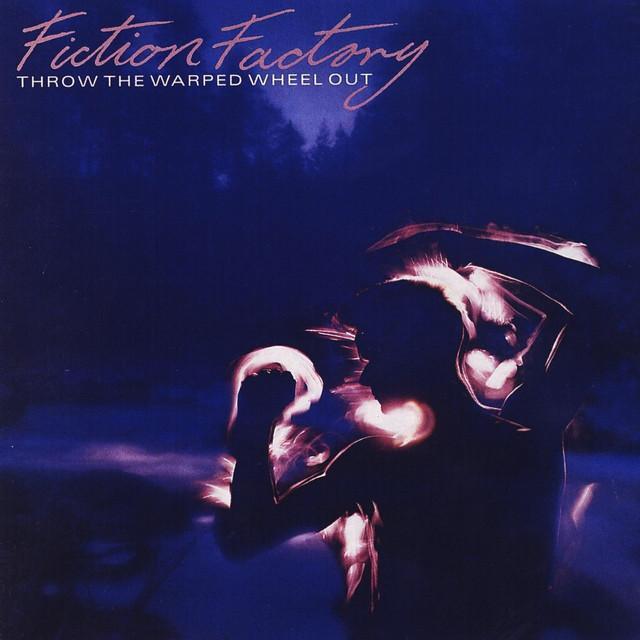
Fiction Factory’s signature single was released on 30 December 1983 as the second single from Throw the Warped Wheel Out and reached No. 6 on the UK Singles Chart, helping define the band’s legacy in the new wave era. It was written by Eddie Jordan and Kevin Patterson, and produced by Peter Wilson with the band. Those facts matter because the song’s polished style can hide its darker point.
A Chorus That Tricks the Ear
What makes the song memorable is the contrast between sound and message. The hook repeats Feels like Heaven
, a phrase that suggests joy or romantic bliss. Yet nearly everything around it points to discomfort, fear, and emotional confusion.
That contrast is not accidental. Contemporary reporting preserved Kevin Patterson’s blunt explanation that the track was an “anti-love song,” and he said it was not about loving someone, but about being loved by someone the speaker cannot stand. That comment gives listeners a strong factual anchor for interpretation.
So while the title sounds dreamy, the song works more like irony. “Heaven” is not heaven at all. It is a feeling that looks perfect from the outside but feels wrong up close.

Watch the official (Feels Like) Heaven
music video
The Verses Tell a Story of Damage
The first verse opens with closeness and unease at the same time. The speaker hears words that echo what I fear
, which suggests that the relationship confirms private dread rather than easing it. Instead of comfort, intimacy brings anxiety.
Then the imagery turns harsher. The line about Twisting the bones
pushes the song beyond ordinary heartbreak into something more intense and physical in tone. It likely is not meant literally. Interpretation: it sounds like a metaphor for emotional pressure so severe that it feels bodily.
That matters because the song is full of sensations: sound in the ears, a scream unheard, a body described as cold to touch
. These details make the relationship feel detached and unhealthy. One person reaches out; the other turns away.
Memory, Decay, and a Love Gone Sour
In the second verse, the lyrics shift from immediate pain to reflection. The pair once had plans, shared feelings, and a kind of beauty. But those memories now sit beside sadness. Tears, gray hair, and a harmony that turned sour
all suggest time has exposed the truth.
This is where the song becomes more than a breakup track. It is not only about loss. It is about realizing that what once seemed ideal may have always carried something broken inside it.
You wanted all I had to give
See me, I feel, see me, I live
That short plea is one of the song’s emotional centers. The speaker wants to be recognized as a full person, not just a target for another person’s need. Interpretation: this may be the clearest sign that the song is about emotional suffocation rather than romance.
Why the Music Feels So Beautiful Anyway
A big part of the meaning of (Feels Like) Heaven Fiction Factory lies in its arrangement. The song sits in the new wave and sophisti-pop lane, built from crisp drums, shimmering synths, clean guitar lines, and a smooth vocal performance. That sleek style makes the single sound elegant and almost hopeful.
This tension is the song’s genius. If the music sounded as dark as the words, the irony would disappear. Instead, the track wraps distress inside a radio-friendly sheen. That is why many listeners remember it first as a pretty pop single and only later notice how uneasy the lyrics are.
In that sense, the production mirrors the song’s subject. Just as the relationship seems heavenly but is not, the song sounds comforting while carrying emotional pain.
Artist Context Sharpens the Meaning
Fiction Factory were a Scottish band formed in 1982, and this song was one of Eddie Jordan and Kevin Patterson’s first co-writes. According to background reporting, the duo initially hoped to write songs for other artists before performing the material themselves. That origin helps explain the track’s strong commercial shape: it was crafted to connect quickly.
Critics noticed that mix of polish and appeal at the time. Reviews praised its clean production and catchy melody, even when they focused more on sound than on lyrical darkness. That split in reception almost proves the song’s design worked. It could pass as soft pop while carrying a far more troubled message underneath.
Two Strong Ways to Read It
There is one fact-based reading and one broader one.
The direct reading
The most grounded interpretation is the band’s own: this is an anti-love song about unwanted affection. The speaker feels trapped by a bond that looks flattering but feels unbearable.
The broader reading
Interpretation: the song can also be heard as a statement about false ideals. “Heaven” may stand for any promise that seems pure from far away—love, memory, fantasy, even success—but collapses in lived experience.
Both readings fit because the lyrics stay vivid without becoming overly specific.
Why It Still Connects
The song still works because many people know the feeling of emotional mismatch. They may have lived through a relationship, friendship, or situation that looked perfect from the outside but felt lonely or wrong within it.
That is why the chorus lasts. It is catchy, but it is also a mask. The phrase Heaven is closer
sounds reassuring, yet in context it feels strangely eerie, almost like a promise the speaker does not trust.
In the end, the meaning of (Feels Like) Heaven Fiction Factory is built on contradiction: beautiful sound, painful content; a heavenly title, an unhappy core. That tension is what makes the song more than just an 80s pop favorite.
Disclaimer: song interpretation is not fully objective. Some points above are factual, while labeled interpretations reflect the most supported reading of the lyrics and available artist context.








