Why 'Death Before Dishonor' Hits So Hard
The meaning of Death Before Dishonor Five Finger Death Punch comes down to one core idea: they frame dignity as non-negotiable. The song is built like a challenge thrown at anyone they see as corrupt, fake, or power-hungry, and it answers that challenge with a blunt oath of self-respect.
"Death Before Dishonor" - Five Finger Death Punch
The FCC, the FBI and every tin god with a badge and a gun
You talk and talk, you preach and bitch but your words don't mean a thing
Loading lyrics...
Unable to load lyrics
We're unable to display the lyrics at this time. Please try again later.
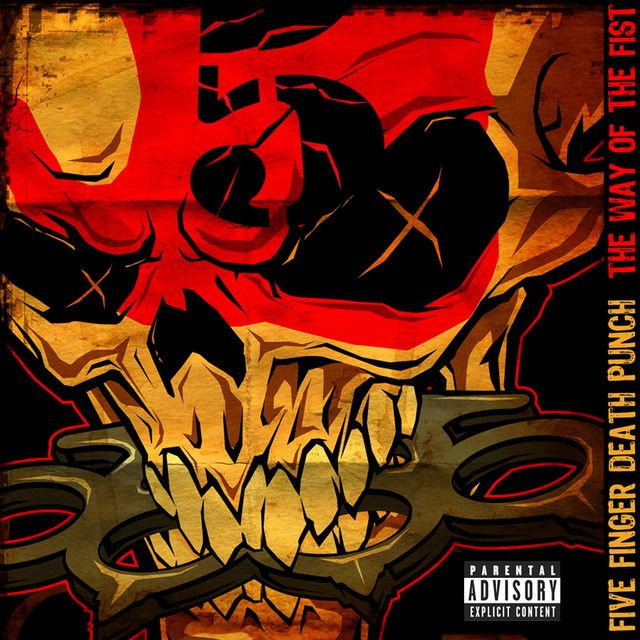
Released on the band’s debut album The Way of the Fist in 2007, the track belongs to Five Finger Death Punch’s early identity: bruising groove-metal riffs, confrontational lyrics, and a heavy interest in warrior language and survival ethics. The song is widely listed as part of that album’s tracklist in reference sources such as Wikipedia’s disambiguation entry for the title. More importantly, later comments from guitarist Zoltan Bathory show that military ideas like honor and heroism were not accidental themes in the band’s writing.
A Vow, Not Just an Angry Rant
At first, the verses sound like pure attack. The narrator lashes out at enemies, institutions, and hypocrites. They call out people who take, lie, preach, and hide behind authority. This matters because the song is not only angry at one person; it paints a whole world of bad faith.
Then the chorus sharpens that anger into principle. The key phrase death before dishonor
is not just dramatic wording. It states the song’s moral line: they would rather lose everything than surrender self-respect.
That is why the next idea, live down on my knees
, is so central. They are rejecting submission, shame, or forced obedience. The song treats kneeling as spiritual defeat, not just physical posture.

Watch the official Death Before Dishonor
music video
Who They Are Fighting in the Lyrics
One reason the song feels so explosive is that its targets are broad. The lyrics attack haters and liars, but also larger systems. When the song names agencies and badge and a gun
, it expands the conflict from personal betrayal to institutional power.
Interpretation: this can be heard as distrust of authority figures who act superior while abusing power. The narrator does not see these people as protectors. They see them as performers of power.
The same idea appears in the attacks on greed and hypocrisy. The lyrics suggest that some people preach values they do not actually live by. So the song becomes a divide between two camps:
- people who keep their code
- people who sell that code for status or control
That split gives the song its simple but effective moral universe.
Honor, Soldier Imagery, and Band Context
The phrase bury me like a soldier
gives the song its strongest image. It ties personal dignity to military ritual, sacrifice, and legacy. Even if the song is not literally about war, it borrows the language of combat to make honor feel sacred.
That reading fits the band’s broader themes. Songfacts quotes Zoltan Bathory saying he has long felt connected to the military and is interested in heroism, brotherhood, and what makes someone stand firm under fire. He also said Death Before Dishonor
was thematically continued by “No One Gets Left Behind,” another song rooted in military language and solidarity. Those comments help explain why this track sounds less like random rebellion and more like a creed shaped by warrior values.
How the Song Moves From Verse to Chorus
The structure is simple on purpose. The verses stack accusations. The chorus strips away detail and leaves only the oath. That design makes the song feel like a courtroom argument that turns into a battlefield chant.
A key turning point comes with the line about there being no honor among thieves. That idea connects greed, corruption, and fake success. Once the narrator defines the enemy as morally empty, the chorus sounds like the only possible answer.
I choose death before dishonor
I’d rather die than live
Bury me like a soldier
Even in this short section, the song is clear: identity matters more than safety.
Why the Sound Makes the Message Bigger
Five Finger Death Punch do not present this idea gently. The guitars are thick and percussive, with chugging riffs that feel like marching under pressure. The drums push hard and keep the song moving like a charge rather than a reflection.
Ivan Moody’s vocal delivery is just as important. He shifts from sneering accusation to a near-shouted declaration, which makes the chorus feel communal and ritualistic. The outburst in the bridge adds chaos and disgust, as if words alone are no longer enough.
This is a big reason the song works. The production turns the lyrics into physical force. They are not simply arguing for honor; they are making honor sound like impact, weight, and resistance.
The Best Way to Read the Song
The strongest reading is that the song is about preserving dignity in a corrupt world. It uses military symbols, but its emotional target is wider: hypocrites, abusers of power, and anyone asking them to bow.
Interpretation: some listeners may also hear it as a statement about the band’s own place in culture, fighting critics, gatekeepers, or industry pressure. The references to public authorities and moral scolds support that idea.
Either way, the emotional center stays the same. They would rather be broken than bent.
Final Take on Its Lasting Punch
The meaning of Death Before Dishonor Five Finger Death Punch is not subtle, and that is exactly why it lands. The song turns rage into a code: dignity over fear, defiance over submission, and honor over comfort.
That plainspoken intensity helped define the band’s early appeal. For listeners who connect with songs about endurance and self-respect, this one still feels like a raised fist.
Disclaimer: This interpretation is based on the lyrics, the song’s musical presentation, and publicly discussed band context. As with any song, listeners may reasonably hear different meanings in it.






