Why "Dream Weaver" Still Feels Like a Prayer
The meaning of Dream Weaver Gary Wright starts with escape, but it does not end there. On the surface, the song sounds like a soft, cosmic trip through sleep and fantasy. Under that dreamy surface, though, it speaks to something more human: the need to be carried through fear, pain, and uncertainty until morning comes.
"Dream Weaver" - Gary Wright
Climbed aboard the dream weaver train
Driver take away my worries of today
Loading lyrics...
Unable to load lyrics
We're unable to display the lyrics at this time. Please try again later.
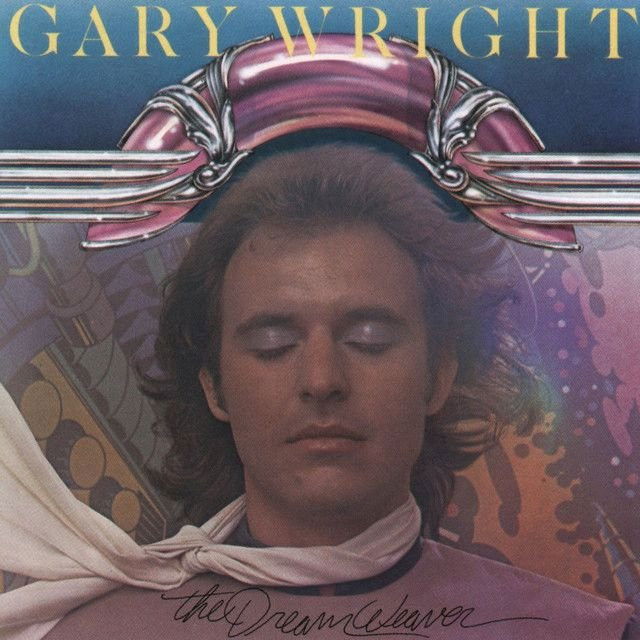
Released on The Dream Weaver in 1975 and issued as a single in December that year, the song became one of Gary Wright’s signature hits, reaching No. 2 on the Billboard Hot 100. It was also notable for its keyboard-led sound, which stood out in mid-1970s pop. Wright wrote and produced it himself.
A Night Journey With a Hidden Purpose
At the lyric level, the song begins with a simple act: closing the eyes and stepping into another state of mind. The image of a dream weaver train
turns sleep, imagination, or meditation into a vehicle. Instead of facing the day’s problems head-on, the speaker asks to be taken beyond them.
That is why phrases like take away my worries
matter so much. They show the song is not only about fantasy for fantasy’s sake. It is about relief. The speaker feels burdened by the present and wants help moving past it, even if only for one night.
The chorus sharpens that feeling. When they sing get me through the night
and reach the morning light
, the song frames night as hardship and morning as hope. In plain terms, this is a song about surviving darkness until a better moment arrives.

Watch the official Dream Weaver
music video
The Spiritual Root Behind the Song
The deeper story behind the song supports that reading. According to Wright’s own account, George Harrison introduced him to Paramahansa Yogananda’s Autobiography of a Yogi before a 1972 trip to India. Wright later said Yogananda’s poem about the mind weaving dreams helped spark the title.
Wright also said that, at first, he explained the track as a fantasy ride through the cosmos. Later, he came to believe it meant more than that: a presence of compassion and love carrying a person through suffering. In his words, that presence was God.
That background matters because it turns the song’s dream language into spiritual language. The “Dream Weaver” can be heard not just as sleep or imagination, but as a guide, healer, or divine force.
Cosmic Images, Real Emotions
The lyrics keep returning to stars, moonlight, and travel beyond ordinary space. The line about an astral plane
suggests a higher level of consciousness. The idea is not literal space travel. It is a way of describing emotional and spiritual distance from pain.
Here is the song’s one key lyrical turn:
Though the dawn may be coming soon
There still may be some time
Those words capture the tension at the heart of the song. Relief is possible, but it has not fully arrived yet. The speaker is stuck in the space between suffering and healing.
That makes the song emotionally relatable. Even listeners who do not hear it as religious can understand it as the wish to rest, recover, and find peace before facing the next day.
Why the Sound Feels So Weightless
Part of the reason the song still works is its production. Wright’s recording was built almost entirely from keyboards rather than guitars, using textures such as ARP Solina strings, Minimoogs, and Fender Rhodes, with Jim Keltner on drums and David Foster contributing Fender Rhodes. That setup gave the song a soft, floating quality that matched its dream imagery.
The arrangement matters to the meaning. The synth textures do not push forward aggressively. They shimmer and hover. That makes the listener feel carried, almost suspended, which fits a song about leaving ordinary worries behind.
In that sense, the production is not just decoration. It tells the same story as the lyrics. The music acts like the “weaver” itself, surrounding the voice with calm, haze, and lift.
Two Strong Ways to Read It
Interpretation: The clearest reading is spiritual comfort. The “Dream Weaver” is a higher power helping the speaker endure pain and make it to light.
Interpretation: A second reading is psychological. The figure could represent the mind’s ability to cope through dreaming, imagination, or temporary escape. In this version, the song is about inner survival rather than divine rescue.
Both readings fit the words. The beauty of the song is that it leaves room for each one.
Why It Has Lasted for Decades
“Dream Weaver” has remained part of American pop culture for years, including later use in Wayne’s World and other films. Its staying power comes from that blend of softness and seriousness. It is pleasant to hear, but it also speaks to a common feeling: wanting something gentle to guide a person through a hard stretch.
That is the lasting meaning of Dream Weaver Gary Wright. It transforms sleep, fantasy, and spiritual longing into one message of comfort. The song says that when life feels heavy, there may still be a way through the dark.
Final Thought Under the Morning Light
Gary Wright’s hit endures because it sounds simple while carrying layered meaning. It is a song about escape, but also about trust. It imagines that somewhere between night and morning, fear and peace, someone or something can carry a person safely forward.
Disclaimer: This interpretation blends documented artist comments with lyrical analysis. Meaning can vary from listener to listener.








