
Identity by grandson
In "Identity," grandson turns a personal crisis into a loud report on modern life: confused, angry, overstimulated, and still searching for a stable self.
"Identity" - grandson
Provided by LyricFindNobody really cared, so it never really mattered
It never really mattered, so it never really happened
What's the point in fightin' for a happy ever after?Loading...Loading lyrics...
Unable to load lyrics
We're unable to display the lyrics at this time. Please try again later.
Why the meaning of Identity grandson hits so hard
The meaning of Identity grandson starts with a simple idea: they are trying to understand themselves in a world that feels broken. The song does not present identity as a calm journey of self-discovery. Instead, it sounds like survival.
Grandson, the stage name of Jordan Benjamin, is known for mixing alternative rock, rap-rock, and politically charged writing, a style noted in major career summaries like his artist profile and discography history. "Identity" appears on Death of an Optimist, his 2020 debut album, a record that pushed his social commentary into a darker, more anxious space. That context matters because this song feels like one of the album's clearest mission statements.
Factually, grandson is an American-Canadian artist whose work often targets modern systems of power, media noise, and public apathy. "Identity" fits that pattern, but it also sounds more inward than some of his protest songs. It is about the damage the outside world does to the inside self.
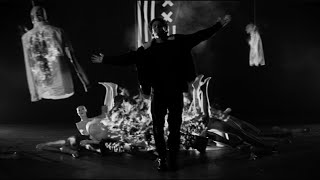
Watch the official Identity
music video
A self lost in public chaos
The opening lines paint a world where neglect becomes normal. The song suggests that if nobody cares, pain can be ignored until it almost feels unreal. That is the emotional setup for the rest of the track.
From there, the verses move quickly between private exhaustion and social critique. They want peace, but the song says peace is only offered on harsh conditions: stay obedient, stay quiet, stay inside the lines. When that deal is rejected, punishment follows.
That idea sharpens in the phrase If you fight it, you're the enemy
. Paraphrased, the song argues that systems often label resistance as a threat. Interpretation: identity here is not just personal confusion. It is the result of being pressured to conform.
How the chorus turns confusion into the main theme
The chorus is direct and memorable because it reduces all the noise to one need: find my identity
. Before and after that phrase, the song piles on sickness, emptiness, and performance pressure.
When the singer says Where's my head on the podium?
, they seem to connect identity to public display. A podium suggests image, speech, status, and judgment. Interpretation: they may feel forced to present a version of themselves for approval while losing touch with who they actually are.
The line Gas me up, no petroleum
adds a bitter joke. It sounds like a complaint about empty hype. People may praise, flatter, or provoke, but none of it gives real fuel. The result is a person who is energized by noise and drained at the same time.
The second verse widens the lens
One of the song's smartest moves is how it shifts from "I" to society at large. The rapid-fire list of detention, debt, pollution, missed chances, and epidemic language makes the song feel crowded on purpose. They are not just overwhelmed by emotions. They are overwhelmed by the whole era.
This section matters because it explains why identity feels unstable. The track links the self to a damaged social environment. If the world keeps delivering crisis after crisis, then building a grounded self becomes harder.
A short multi-line passage captures that pressure well:
Mass confusion, air pollution
Compromise foreign contribution
Mass epidemic
Those fragments show how the song stacks headlines, disasters, and institutional failure into one breathless blur. Rather than offering a policy argument, the verse dramatizes what it feels like to live inside nonstop collapse.
Sound as meaning: why the production feels so restless
The production helps sell the theme. Grandson's style often blends rock guitars, hip-hop cadences, and electronic textures, and this track uses that hybrid sound to create pressure. The beat pushes forward hard, the vocal delivery snaps between melody and accusation, and the hook lands like a chant.
That matters for interpretation. A softer arrangement could have made "Identity" sound reflective. Instead, the song feels jagged and urgent. The music mirrors an overstimulated mind trying to keep up with a collapsing culture.
Even the repetition works as meaning. By returning again and again to the chorus, the song shows how identity questions can loop. They do not get solved in one insight. They come back, louder each time.
Two strong ways to read the song
Interpretation 1: a mental health spiral
At its most personal, the song is about burnout. Phrases like can't find a remedy
suggest someone who knows they are unwell but cannot locate relief. In this reading, "identity" means a stable inner core that keeps slipping away.
Interpretation 2: a protest against manufactured selves
At its most political, the song attacks a culture that rewards obedience and spectacle. The self becomes fragmented because media, institutions, and public pressure keep telling people who to be. In this reading, the crisis is social before it is psychological.
Both readings work together, which is a big part of the song's strength.
Why "Identity" fits grandson so well
Grandson built his reputation on songs that connect personal emotion to public systems. That is true across his breakthrough era and especially on Death of an Optimist. "Identity" stands out because it compresses his main concerns into one track: anger, satire, fear, and the need to stay human.
For many listeners in the United States, the song resonates because it captures a familiar feeling: they are told to perform confidence while living through chaos. The song does not solve that contradiction. It names it.
In the end, the meaning of Identity grandson is about searching for a real self under pressure. It is the sound of someone refusing simple answers, even while feeling close to collapse.
Disclaimer: This interpretation is based on the song's lyrics, sound, and artist context. As with any art, listeners may hear different meanings in "Identity."








