Why "Medieval Warfare" Feels Like a Threat
The meaning of Medieval Warfare Grimes becomes clearer once listeners stop hearing it as only a seduction song. On the surface, it mixes desire, taunting, and body language. But the deeper point is about violence, performance, and testing power.
"Medieval Warfare" - Grimes
I could never touch it and it shines like ice
Everything is written in the sky and
Loading lyrics...
Unable to load lyrics
We're unable to display the lyrics at this time. Please try again later.
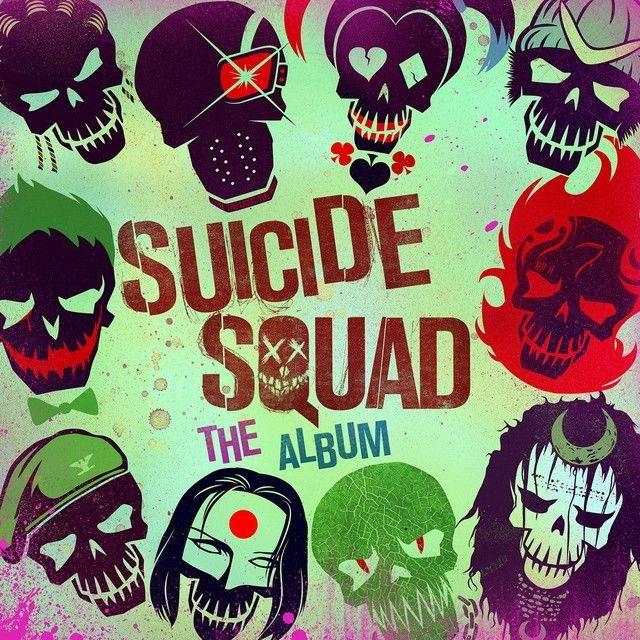
That reading is not just a guess. In 2016, when the track appeared on the Suicide Squad soundtrack, Grimes said the song was about actual medieval warfare
and was written from the perspective of Harley Quinn, according to Stereogum’s report on her public note. That matters because it changes the song’s center of gravity: the speaker is not simply flirting. They are provoking, daring, and almost role-playing brutality.
A Pop Song Wearing Armor
Factually, “Medieval Warfare” was released in 2016 as part of the Suicide Squad: The Album campaign, and Grimes is the credited writer here as Claire Elise Boucher. In that soundtrack setting, the song works like character music: fast, unstable, and dangerous.
That context helps explain why the lyrics jump between attraction and threat. The speaker talks as if they are luring someone closer, but also as if they are inviting them into harm. When they ask Are you big? Are you ugly?
the line sounds less like a normal question than a challenge. It is as if they want proof that the other person can survive the world they are entering.

Watch the official Medieval Warfare
music video
The Core Meaning: Desire as Combat
Interpretation: The song treats intimacy like a battlefield. Instead of drawing a line between wanting and hurting, it lets those feelings overlap.
That is why the verses feel so unstable. Images of beauty appear next to blood, weapons, and bodily release. The speaker reaches for something precious, then immediately turns toward damage. The phrase shines like ice
captures that split perfectly: the object of desire is attractive, but cold and untouchable.
Later, when the song says let it bleed from me
, the image can be heard as emotional exposure, physical violence, or both. In simple terms, the speaker seems desperate to force what is hidden into the open. They do not want polite feelings. They want raw truth.
Why the Chorus Sounds Like an Interrogation
The hook is the song’s most important section because it keeps asking whether the other person is strong, ugly, violent, or desirable. The repeated test Can you kill a man
is especially important.
Grimes addressed that exact wording in her public note, saying some journalists softened or altered it. Her complaint, as reported by Stereogum, was that coverage kept turning the song into heterosexual sexual content and away from its violence-centered meaning. So the line should be taken seriously as part of the song’s warlike frame, not just as shock value.
Interpretation: The chorus is a screening process. The speaker is searching for someone who can match chaos with chaos. That makes the repeated questions feel both flirtatious and cruel.
Images of Weapons, Blood, and Exposure
The song’s imagery is direct and physical. A rifle, grapeshot, and bleeding all point to combat or damage. But there is also a strange softness in the writing. The speaker asks to do something ugly, then something pretty. That contrast suggests they see violence and beauty as linked.
A short multi-line moment shows this split well:
let's do somethin' ugly
Somethin' you would never touch yourself
Paraphrased, the speaker invites another person to cross a line they normally would avoid. That is one reason the song feels so tense. It is obsessed with taboo acts, hidden urges, and the thrill of forcing them into daylight.
How the Sound Carries the Meaning
Production matters a lot to the meaning of Medieval Warfare Grimes. The track is harsher and more immediate than some of Grimes’ dreamier work. Instead of floating vocals and soft atmosphere, it leans on pounding percussion, sharp synth textures, and a clipped, confrontational delivery.
That sound design supports the lyrics in three ways:
- It creates urgency. The beat does not relax, so the song feels like pursuit.
- It keeps the mood unstable. Bright electronic tones clash with violent imagery.
- It fits the character angle. For a Harley Quinn-style voice, the production sounds playful and dangerous at once.
The result is a song that feels theatrical rather than confessional. They are not quietly sharing feelings. They are performing extremity.
Two Strong Ways to Read It
There are at least two useful interpretations, and both can exist at once.
Reading One: A Harley Quinn character study
This is the most grounded reading because Grimes herself pointed toward it. In that version, the song becomes a portrait of a person who confuses romance, cruelty, and spectacle. The taunts, threats, and tests all fit a comic-book antihero voice.
Reading Two: A broader statement about misread female aggression
Interpretation: The song can also be heard as a challenge to how listeners interpret women in pop music. If a female-coded voice uses charged language, people often push it toward sex first and violence second. Grimes’ public correction suggests she was aware of that pattern and pushing against it.
The Takeaway Behind the Chaos
The meaning of Medieval Warfare Grimes is not that love equals violence in any healthy sense. It is that this speaker lives in a world where desire, danger, and performance have fused together. They test people through fear as much as attraction.
That is why the song still feels sharp. It is not asking for tenderness. It is asking who can survive the game.
Disclaimer: This article offers interpretation based on the lyrics, release context, and Grimes’ public comments. Song meaning can remain open, and different listeners may hear it differently.









