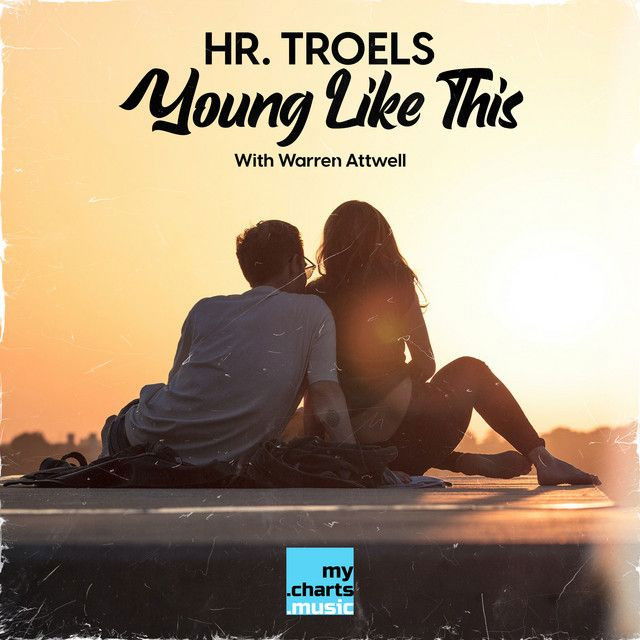
Why 'Young Like This' Hurts So Softly
The meaning of Young Like This Hr. Troels, Warren Attwell centers on memory, love, and the strange way the past can feel more solid than the present. The song does not tell a long story with clear plot points. Instead, it works like a scrapbook: small images, repeated feelings, and one big question underneath it all—what happens when a shared life lives on mostly in memory?
"Young Like This" - Hr. Troels, Warren Attwell
So bittersweet gave it all away
You're all that I keep
Loading lyrics...
Unable to load lyrics
We're unable to display the lyrics at this time. Please try again later.
Hr. Troels and Warren Attwell frame that feeling with simple language and a soft ache. The result is a song that sounds warm on the surface but carries real sadness underneath.
A Love Story Told Through Fragments
At its core, the song looks back on a relationship that once felt full of ease and promise. The opening images suggest pleasure mixed with loss. When the lyric mentions bittersweet
, it signals the emotional tone right away: this is not a clean breakup song or a simple happy memory. It is both at once.
They use everyday details to make the relationship feel lived-in. The mention of Saturday walks on the beach
gives the song a domestic softness. These are not grand cinematic memories. They are regular rituals, which makes them feel more intimate.
That matters because the song’s real subject is not just romance. It is the life two people thought they were building together.
Watch the official Young Like This
music video
The Real Weight of “Home”
The most important repeated idea in the song is home. The lyric keeps returning to the thought that we have a home
and that our kids had a home
. Paraphrased, the song imagines a shared place of safety, family, and continuity.
Interpretation: this may not mean a literal house alone. It can also mean emotional shelter—the sense that a relationship once gave both people a future they could trust.
That is why these lines hit so hard. They do not just mourn lost romance. They hint at an entire possible life: children, growing older, and belonging somewhere together. Even when the wording shifts later from “we” to “you,” the emotional change is huge. The shared dream starts to sound divided.
How the Chorus Turns Memory Into Pain
The chorus is catchy, but it is also where the song reveals its deeper wound. The repeated phrase young like this
does more than describe age. It describes a state of being—carefree, foolish, impulsive, and in love.
Fun like this, dumb like this, darling
We had fun like this
This brief refrain shows how the song clings to a time when mistakes felt harmless because love made everything feel safe.
Interpretation: the repetition itself mirrors memory. People do not remember the past in neat summaries. They replay the same moments over and over, hoping repetition will keep them alive. Here, the chorus sounds almost like self-comfort, as if the speaker is trying to preserve something the other person may have forgotten.
Who’s Speaking, and to Whom?
The voice in the song feels personal and direct, even though this article discusses it in third person. The speaker addresses someone they once loved, someone who seems emotionally farther away now.
That distance becomes clearer in the later verse. When the speaker says the other person forgets, but insists the feeling was real, the song shifts from shared nostalgia to one-sided remembrance. The line paraphrases into something like: even if memory fades for you, what we had still matters to me.
This is what gives the song its ache. One person remembers vividly; the other may not.
The Beach, the Deck, and the Drink
Several images repeat around water and alcohol: rum, a deck, a navy-blue sky, the beach. These details create a coastal, sunset-colored atmosphere.
Symbolically, they do useful work. Rum suggests pleasure, looseness, and fading sensation. The beach suggests time passing in cycles. The deck and evening sky place the listener in a pause between day and night—an in-between space that fits the song’s emotional state.
Interpretation: these are memory triggers. The speaker does not explain the whole relationship. They recall sensory snapshots, the kind people hold onto after a bond changes.
How the Sound Likely Supports the Meaning
Based on the lyric writing alone, the song appears built for a mellow, reflective arrangement. A track like this often leans on soft percussion, warm synths or guitars, and a steady, unhurried pulse. That kind of production would support the lyrics by making the memories feel hazy rather than dramatic.
The repeated chorus also suggests a layered vocal approach, where texture matters as much as narrative. If the production surrounds the hook with warmth, it would deepen the contrast between the comfort of memory and the sadness of knowing it is gone.
Factual credits provided with the song list Simon Rasmussen and Troels Henriksen as writers. No confirmed producer, album, or release date was supplied here, so those details should be treated as unavailable rather than assumed.
Two Strong Readings of the Song
There are at least two convincing ways to hear this track:
- A relationship has ended. The speaker is revisiting scenes from a lost love and mourning the future that never fully happened.
- A long relationship has changed. The couple may still exist in some form, but youth, closeness, and certainty are gone, leaving memory to do most of the emotional work.
Both readings fit because the song is careful not to over-explain itself. That restraint is one of its strengths.
Why the Song Lingers
The meaning of Young Like This Hr. Troels, Warren Attwell is powerful because it understands something common and painful: people do not just miss a person. They miss who they were with that person.
By focusing on home, youth, and small recurring scenes, the song turns nostalgia into something tender and unsettling. It remembers love as a place someone once lived in.
Disclaimer: This interpretation is based on the lyrics provided and should be read as informed analysis, not a confirmed statement of artist intent.








