Why Ice Cube Turned Blame Into a Weapon
The meaning of Gangsta Rap Made Me Do It Ice Cube starts with a joke that is not really a joke. On the surface, the hook sounds like a shrug. But Ice Cube uses that repeated line to mock the way politicians, TV pundits, and critics blamed rap music for social problems that were already there.
"Gangsta Rap Made Me Do It" - Ice Cube
Blame me
You niggaz know my pyroclastic flow
Loading lyrics...
Unable to load lyrics
We're unable to display the lyrics at this time. Please try again later.
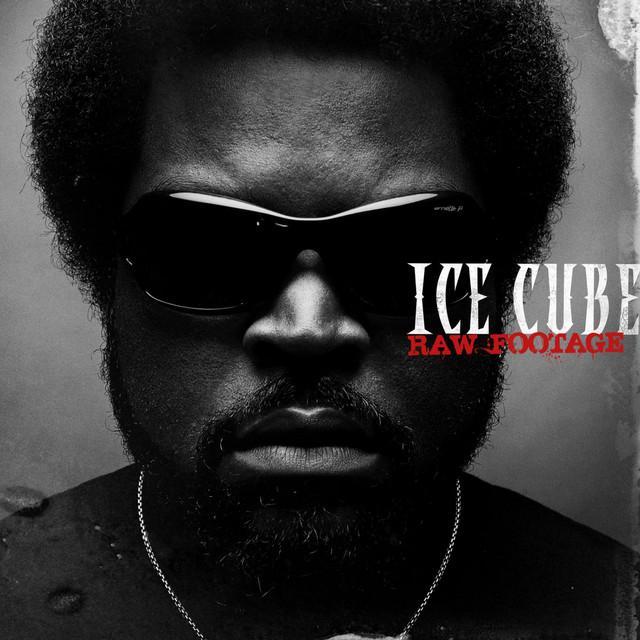
Released as the lead single from Raw Footage in 2008, the track was produced by Ice Cube and Vaushaun “Maestro” Brooks and framed as a response to moral panic around gangsta rap, according to the song’s Wikipedia entry. Rather than apologize, Cube turns the accusation into satire. He acts out the blame placed on rap until the claim sounds absurd.
The Real Target Is Not Rap
At its core, the song argues that society uses gangsta rap as a scapegoat. Cube lists ugly behaviors and public scandals, then ties them to the hook Gangsta rap made me do it
. He is not confessing. He is exposing how silly that excuse sounds when applied to everything.
That idea matters because Ice Cube came from a scene that was often treated as a cultural threat. From N.W.A. onward, his work has mixed aggression, storytelling, and political anger. Here, he updates that habit for the late 2000s, when cable news and public debate still treated rap as the cause of violence instead of a reflection of deeper problems.
Interpretation: the song is less about defending every rap lyric and more about attacking selective outrage. Cube suggests that America tolerates real harm from institutions, history, and power, then suddenly becomes moral when rap artists say something offensive.

Watch the official Gangsta Rap Made Me Do It
music video
How the Verses Build the Argument
Cube opens by asserting dominance as an MC. Bragging lines about skill and status are not random. They establish that he will speak on his own terms, not as a defendant in somebody else’s case.
Then the song shifts. He starts pairing shocking acts or offensive language with the same deadpan hook. When he says I can say what I want
, the point is not simple rebellion. It is a challenge to speech policing that ignores larger hypocrisy.
A later section gets even sharper. Cube points to how people condemn rap while benefiting from systems that helped create the chaos rappers describe. His reference to people who brought cocaine back
is especially important. That line pushes blame upward, toward political and economic forces, not just artists.
He also turns toward self-help for a moment. The advice to use your brain not a gat
complicates the stereotype. Critics often frame gangsta rap as pure destruction, but Cube inserts a direct call for thought, dignity, and self-respect. That does not erase the song’s provocation. It shows he is doing more than shock for shock’s sake.
The Hook Works as Satire, Not Excuse
The chorus is catchy because it is simple, repetitive, and almost cartoonish. That is exactly why it works. Every time the phrase returns, it becomes harder to hear it literally.
Instead, the repetition turns it into a sarcastic mirror. If every social failure can be pinned on rap, then the argument collapses under its own weight. Cube is basically saying: if they want to blame rap for everything, then let them hear how ridiculous that sounds over and over.
If I shoot up your collegeGangsta rap made me do it
That brief passage shows the method clearly. He pairs a horrifying act with the hook to expose the emptiness of the claim. The song does not defend violence. It ridicules lazy blame.
Sound, Delivery, and Why the Record Hits Hard
The production helps sell the message. The beat is heavy, stripped down, and forceful, with a march-like feel that gives Cube room to land each accusation. There is not much softness in the track. It sounds confrontational on purpose.
Cube’s delivery matters just as much. He raps with control, not chaos. Even when the lyrics are outrageous, the voice is measured, almost prosecutorial. That contrast gives the record its bite. He sounds like someone presenting evidence while pretending to accept the charges.
The repeated phrase pyroclastic flow
adds to that mood. It paints his rhymes as explosive and unstoppable. In context, that volcanic image reinforces the idea that his voice is dangerous to people who would rather avoid the truth.
The Video Makes the Message Impossible to Miss
The song’s meaning became even clearer in the music video, directed by Jonathan Silver. As summarized in the same Wikipedia entry, the clip opens in a future classroom where authority figures blame gangsta rap for social decline. It then cuts to real images of war, shootings, racism, scandals, and public violence.
That visual strategy removes any doubt about Cube’s point. The video asks a blunt question: were these problems really created by rap music, or is rap just an easy villain? By mixing media controversies with world events, Cube shows how absurd it is to flatten every crisis into one cultural talking point.
A Few Key Themes Beneath the Shock
Several themes drive the song:
- Scapegoating: rap is treated as the cause, not the symptom.
- Hypocrisy: public figures condemn language while ignoring structural harm.
- Media panic: outrage gets aimed at art because it is easier than solving real problems.
- Self-definition: Cube refuses to let outsiders explain his culture for him.
Interpretation: there is also a layer of performance here. Cube knows the persona of gangsta rap scares people, so he exaggerates that fear until it becomes satire.
Why the Song Still Lands
The meaning of Gangsta Rap Made Me Do It Ice Cube still feels current because the larger habit never disappeared. Popular culture is still blamed for violence, moral decline, or social unrest whenever a simple villain is needed.
Cube’s song pushes back on that reflex. It says art can reflect a broken society without causing every break in it. More than anything, the record is a challenge: look deeper, blame smarter, and stop confusing description with responsibility.
Disclaimer: This interpretation is based on the lyrics, video, and publicly available context. Like many political rap songs, it can support more than one reading.








