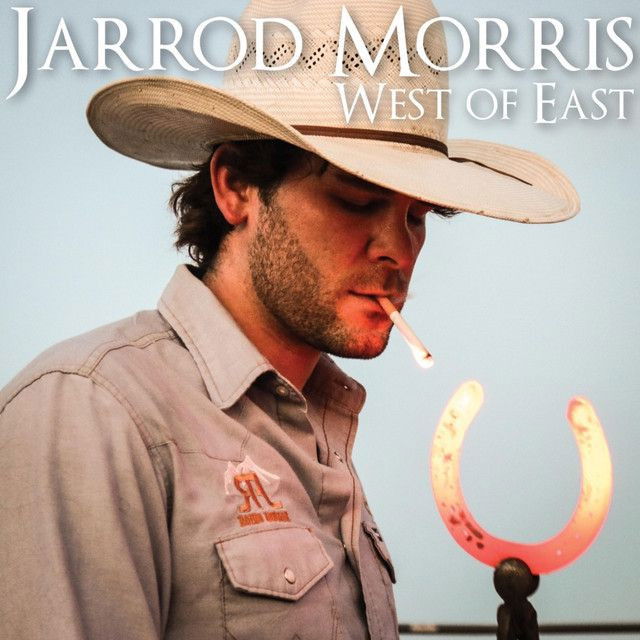
Coyote by Jarrod Morris
The meaning of Coyote Jarrod Morris comes from a clever split image: the song sounds like a nighttime coyote hunt, but it also uses that hunt as a metaphor for people who charm, use, and disappear. That layered idea gives the track its hook. It is playful on the surface, but the warning underneath is serious.
"Coyote" - Jarrod Morris
A couple of shots and they look a little better now
Whisperin' something in your ear
Loading lyrics...
Unable to load lyrics
We're unable to display the lyrics at this time. Please try again later.
Because the user provided the full lyric text, one fact is clear: Jarrod Morris wrote the song. Beyond that, publicly verified release details are not confirmed here, so the safest reading comes from the words on the page and the country-rock style they suggest.
A Hunt Story With a Social Warning
At the most basic level, the song follows a familiar country setup: night falls, temptation arrives, and the narrator tries to tell the difference between beauty and danger. Early lines set the scene with alcohol, whispering, and suspicion. Then the song flips into hunting language, making the target suddenly look less romantic and more threatening.
That is the heart of the song. The narrator sees certain people as predators who prey on weakness. The key phrase just another damn coyote
reduces what first looked exciting into a repeated pattern. In other words, attraction fades once motives become clear.
Interpretation: The song is not just judging one person. It is describing a cycle. Someone appears glamorous, acts interested, and then reveals a more opportunistic side. The coyote becomes a symbol for anyone who survives by taking advantage of others.

Watch the official Coyote
music video
How the Lyrics Build That Metaphor
The writing works because it never stays in one lane for long. It moves between barroom imagery and open-country hunting terms, so each world explains the other.
The opening suggests people who look better after a few drinks and start selling a fantasy. A line like whisperin' something in your ear
hints at seduction, while the next turns toward strategy and manipulation. The song implies that the charm is calculated.
Then the lyric makes its warning plain with the idea of building someone up only to tear them down. That is where the coyote image gets sharper. In folklore and in rural life, coyotes can represent cunning, hunger, and nuisance. Here, those traits map onto people who circle around vulnerability.
The Chorus Turns Desire Into Distrust
The chorus matters because it keeps admitting attraction before rejecting it. The line beautiful and wonderful as they might seem
shows the narrator is not blind. They do see the appeal.
But that appeal is immediately checked by the repeated image of looking through a scope. With I take another look in my scope
, the song dramatizes a second thought. They pause, reassess, and decide the situation is not what it first seemed.
Interpretation: That hesitation is the emotional core of the track. The narrator wants connection, but experience has taught them to expect a trap.
Who Is Speaking, and Why It Matters
The voice is first person singular, but the song often leans on group language and shared rules. Phrases like everybody knows
make the warning sound communal, as if this lesson has been learned many times before.
That choice changes the tone. Instead of sounding heartbroken, the song sounds defensive and almost instructional. The narrator is not confessing weakness so much as teaching survival. Their friends, their hunting culture, and their nightlife experience all blend together.
This is why the track feels more like a barstool cautionary tale than a breakup ballad. The speaker is guarding pride as much as safety.
The Final Verse Adds Failure and Embarrassment
Near the end, the song shifts again. The “smoke clears,” the target is gone, and the narrator has nothing to show for the effort. A spotter says they pulled left
, turning the moment into a miss.
On the literal level, that sounds like a failed shot during a hunt. On the metaphorical level, it sounds like getting fooled again, then facing friends with an empty story. That is a smart ending because it adds humiliation to suspicion. The coyote does not just threaten; it escapes.
How the Sound Likely Carries the Meaning
Even without full production credits, the lyric strongly suggests a Texas country or Red Dirt setting: likely drums, electric guitar, a firm backbeat, and vocals delivered with grit rather than polish. The repeated yips and chant-like hook mimic both a hunting call and a rowdy crowd response.
That matters for the meaning of Coyote Jarrod Morris because the music probably keeps the song from becoming too dark. A midtempo, swaggering arrangement would let the warning land with humor and toughness. Instead of sounding wounded, the track likely sounds knowing and loud.
Two Readings That Can Both Be True
There are at least two strong ways to hear the song:
- Literal-plus-metaphor reading: It is about actual coyote hunting, while also comparing manipulative people to predators.
- Primarily relationship reading: The hunt language is mostly a dramatic frame for mistrust in bar and dating culture.
Both fit the lyrics. The song never forces a single answer, which is part of its appeal.
Why the Song Sticks
What makes “Coyote” memorable is its mix of humor, suspicion, and rural imagery. It understands how quickly desire can turn into caution. It also captures a very country idea: experience teaches people to read signs, trust instincts, and avoid what only looks good from a distance.
In the end, the meaning of Coyote Jarrod Morris is about recognizing predators before they get close, whether those predators are literal animals, manipulative people, or recurring bad decisions.
Disclaimer: This interpretation is based on the lyrics provided by the user and general genre context. As with most songs, meaning can vary by listener unless the artist has explained it directly.








