Why 'Welcome to Atlanta' Feels Like a City Anthem
The meaning of Welcome To Atlanta Jermaine Dupri, Ludacris starts with pride. This is not a heartbreak song or a deep confession. It is a city record built to show off Atlanta as a place with its own rhythm, stars, clubs, slang, and power.
"Welcome to Atlanta" - Jermaine Dupri ft. Ludacris
Welcome to Atlanta, jackin' hammers and vogues
Back to the mackin' and jackin' the clothes, adolescent packin' a four
Loading lyrics...
Unable to load lyrics
We're unable to display the lyrics at this time. Please try again later.
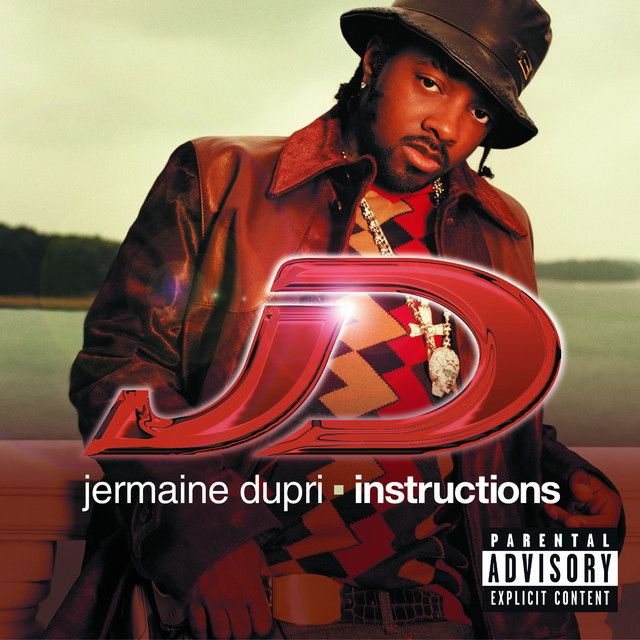
Released in 2001 as a single from Jermaine Dupri's Instructions, with Ludacris featured, the track arrived as Atlanta was becoming a major force in hip-hop and pop culture. According to available release information, it was produced by Jermaine Dupri and Bryan-Michael Cox and later peaked at No. 35 on the Billboard Hot 100. It also appeared as a hidden track on Ludacris' Word of Mouf.
A Love Letter Disguised as a Flex
On the surface, the song sounds like bragging. The hook paints a city where players play
, people ride in style, and the night runs until dawn. But that flex has a purpose. Jermaine Dupri and Ludacris are not just praising themselves; they are selling Atlanta as a full culture.
That matters because Southern rap was still fighting for respect in mainstream spaces at the time. Interpretation: the song works like a declaration that Atlanta does not need outside approval. The city already has money, movement, nightlife, and stars.
The chorus is central to that idea. When they say Welcome to Atlanta
, it sounds inviting. At the same time, it carries authority. They are the hosts, and they control the story.
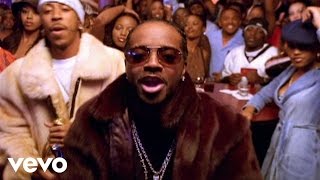
Watch the official Welcome to Atlanta
music video
Two Voices, One City
Ludacris opens the song with aggression and cartoon-sized confidence. His verse is packed with punchlines, threats, and images of wealth. Even when the details turn exaggerated, the purpose is clear: he is presenting Atlanta as loud, fearless, and impossible to ignore.
Jermaine Dupri takes a different route. His verse feels like a guided tour. He talks through clubs, weekly routines, old rivalries, and local landmarks of nightlife. That gives the song texture. Ludacris provides force; Dupri provides memory.
Together, they create two sides of the same city:
- Ludacris shows Atlanta as raw energy.
- Dupri shows Atlanta as a lived-in scene.
- The hook turns both ideas into a shared anthem.
The Hook Turns a Place Into a Myth
The chorus is catchy because it is simple, but it is meaningful because it keeps repeating a specific image of the city. Atlanta becomes the place where big beats
meet street movement and where parties last til eight in the mornin'
.
That image is not neutral. It blends glamour with danger, success with chaos, and music with nightlife. Interpretation: the hook turns Atlanta into more than a map location. It becomes a myth of constant motion, where sleep is secondary to hustle and fun.
This also explains why the record traveled beyond Georgia. Listeners did not need to know every club reference to understand the feeling. The song sells the idea of a city so alive that it never seems to stop.
Atlanta History Lives in the Details
One of the strongest parts of the track is how specific it is. Dupri names local spots and references older scenes, including memories from the 1980s. Those details make the song feel credible rather than generic.
That local texture matches the music video, which famously showed Atlanta nightlife and featured cameos from artists and athletes linked to the city. The visual helped turn the song into a public celebration of Atlanta's cultural network.
In that sense, the song is almost documentary-like. It captures a moment when Atlanta was not just participating in rap culture; it was shaping it.
How the Production Supports the Meaning
The beat matters as much as the lyrics. The production is sleek, bouncy, and club-ready, but it also carries an old-school layer. The track interpolates Whodini's Five Minutes of Funk
and samples the Miracles' "Do It Baby," which ties Atlanta's present to earlier Black musical traditions.
That blend is smart. The drums and groove make the song feel built for cars, clubs, and radio. At the same time, the borrowed musical DNA gives it a sense of lineage. Atlanta is presented as new, but not disconnected from the past.
Ludacris attacks the beat with sharp, percussive delivery. Dupri rides it more casually, like someone fully at home in the environment. The contrast reinforces the song's main idea: Atlanta can be both polished and rough, both host and heavyweight.
A City Anthem With Industry Impact
The meaning of Welcome To Atlanta Jermaine Dupri, Ludacris also grows when viewed in context. By the early 2000s, Atlanta was becoming one of the most important cities in hip-hop. This song did not create that shift by itself, but it helped announce it in a form mainstream audiences could not miss.
The official Coast 2 Coast remix proved the concept had legs. By adding rappers tied to other cities, the remix turned the original into a model for civic rap anthems. But the first version remains the strongest because it feels personal. It is not just branding; it sounds lived.
Final Take on the Song's Message
In the end, this track is about more than nightlife or swagger. It is about ownership of place. Jermaine Dupri and Ludacris use style, local references, and a huge hook to argue that Atlanta is a cultural capital.
Interpretation: beneath the boasts, the song expresses regional pride and a demand to be seen. That is why it still works. It captures a moment, but it also defines a feeling many city anthems chase and rarely reach.
Disclaimer: This interpretation is based on the song's lyrics, production, historical context, and public reception. As with any art, listeners may hear different meanings in it.







