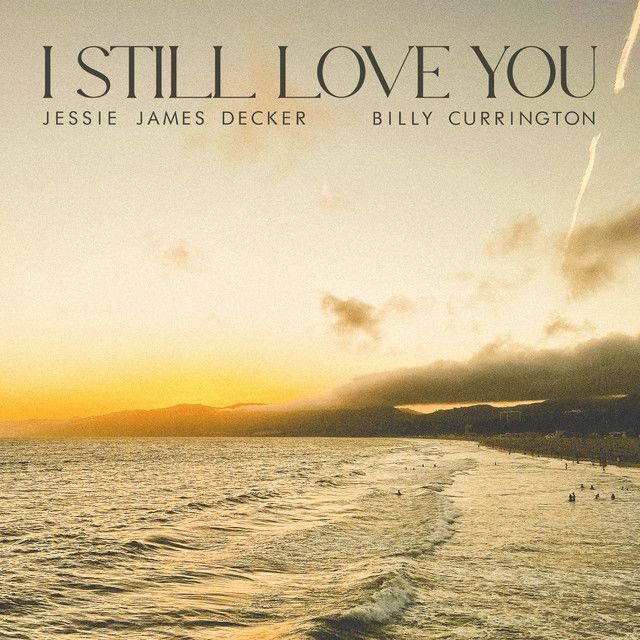
I Still Love You by Jessie James Decker, Billy Currington
A country duet that aches in stereo, I Still Love You turns everyday scenery into heartbreak. The track pairs Jessie James Decker’s clarity with Billy Currington’s warm baritone, letting two voices carry one admission: love outlasts the breakup.
"I Still Love You" - Jessie James Decker, Billy Currington
Holding up that jet stream 747 you're on
Making you long gone
Loading lyrics...
Unable to load lyrics
We're unable to display the lyrics at this time. Please try again later.
What This Heartache Is Really Saying
At its core, the meaning of I Still Love You Jessie James Decker, Billy Currington is about the war between memory and moving on. The narrator tries to hate the triggers that spark longing—sunsets, highways, phones—but the feeling keeps winning. When they point to a red wine sunset
or call Los Angeles a West Coast angel town
, they’re not blaming places; they’re exposing how everything now carries the ex’s imprint.
Interpretation: the song argues that resentment is a mask. The more the narrator claims to hate, the clearer their attachment becomes.

Watch the official I Still Love You
music video
Two Voices, One Confession
This is a first-person address to an absent “you.” In a duet, both singers often share the same role rather than trade opposing sides. Here, they inhabit one broken heart together, braiding harmonies around images like the old front door
or the California king
. That shared voice makes the confession feel universal—anyone could be the speaker, anyone the “you.”
Small details ground that feeling. A cracked screen phone
hints at missed calls and stubborn hope. The phrase memories like a maze
captures the looping, late-night thought pattern: there’s no straight line out of grief, only turns that lead back to the same room.
The Story, Beat by Beat
- The day closes with a wine-colored sky, and the narrator spirals. The sunset cues the first rush of memory.
- Distance takes shape: a jet carries the ex west, and the city promises distractions the narrator cannot compete with.
- Regret lands at home—the door they opened, the bed they shared, the drink meant to numb it all.
- Calls go unanswered. The broken phone screen is a symbol for broken contact.
- Night deepens, thoughts circle, and the one truth breaks through the performance of anger.
Each beat escalates: from sky, to city, to household objects, to the body at rest. The scope shrinks even as the feeling grows.
The Hook as Emotional X-Ray
The verses build a case for hate. The hook exposes the core. Rather than clever wordplay, the refrain is plain-speaking and repeated. Interpretation: that simplicity is the point. It reads like a late-night text the narrator keeps typing and deleting, then finally sends.
Symbols That Do the Heavy Lifting
- Plane: The 747 marks finality and speed—someone isn’t just gone; they’re in another life.
- Malibu drive: Freedom and image-culture; the ex appears windblown, carefree, untouchable.
- Front door: A choice point. The narrator let them leave and can’t undo it.
- Bed: The shared past is now a void. The space is intimate yet empty.
- Phone: Hopes of reconnection clash with silence; the damage on the screen mirrors the damage inside.
- Midnight: The hour of replay, when distractions fade and memory gets loud.
Together, these images map a breakup across geography, objects, and time of day. They make the internal visible.
How the Sound Carries the Feeling
Sonically, this sits in modern country-pop ballad territory: clean electric guitars, light acoustic strums, steady drums, and a touch of atmospheric steel or pads. The tempo is unhurried, like a late-night drive. Decker’s crisp top-line cuts through while Currington’s lower timbre adds weight; when they blend, the harmonies thicken the ache instead of softening it. The mix leaves space for the lyric, letting the repetition land without clutter.
Interpretation: the restrained arrangement mirrors emotional restraint. They aren’t wailing; they’re holding it together—until the hook breaks the dam.
Why the Geography Matters
By setting the story in California—Malibu highways, coastal light—the song contrasts two realities. The ex’s new world seems sunlit and fast. The narrator’s world is slow and shadowed. That split adds a class of envy to the sorrow: it’s not just that love is gone, it’s that the other person appears to be thriving somewhere the narrator can’t reach.
Alternate Reads Worth Considering
- Long-distance wear: The pair never had closure; the plane and coast represent a relationship stretched too thin. The “hate” lines are frustration at circumstances, not at a person.
- Final goodbye: The door, the bed, and the silence point to a breakup that’s already done. The love remains, but reunion isn’t on the table.
Both readings work because the song keeps specifics tactile but the timeline open.
Takeaway
The song’s power lies in contrast. Hating the reminders only proves how alive the feeling still is. That’s why the images stick. Whether they picture a red wine sunset
or dream of that West Coast angel town
, the conclusion doesn’t change: love can linger long after goodbye.
Disclaimer: This interpretation is based on lyrical analysis, public credits, and common themes in country-pop duets. Individual meanings may vary.








