Why "We Fly High" Became Jim Jones’ Victory Lap
The meaning of We Fly High Jim Jones starts with a simple idea: success is not just earned, it is displayed. In this 2006 hit, Jim Jones turns wealth, style, and visibility into a full identity. The song is not subtle, and that is the point. It is built as a loud celebration of making it, being noticed, and refusing to shrink.
"We Fly High" - Jim Jones
Foreign rides (yes sir) outside, it's like showbiz (we in da builidin')
We stay fly, no lie, and you know this (ballin')
Loading lyrics...
Unable to load lyrics
We're unable to display the lyrics at this time. Please try again later.
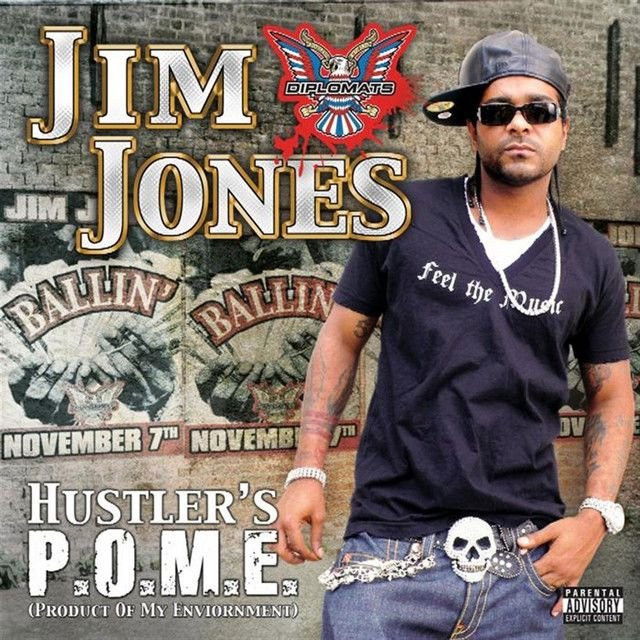
Released as the lead single from Hustler's P.O.M.E. (Product of My Environment), the track became Jones’ highest-charting song, reaching No. 5 on the Billboard Hot 100 and later earning Platinum certification from the RIAA. Those facts help explain why the song still matters: it was not just a rap record, but a crossover event. Sources: Wikipedia.
The Real Message Behind the Flex
On the surface, the song is about luxury. Jones lists foreign cars, expensive watches, flights, jewelry, and club spending. He frames all of it as proof that they have risen into a new class of life. Short phrases like we fly high
and foreign rides outside
act like badges of status.
But there is another layer. The song also treats visibility as survival. In rap, especially mid-2000s New York rap, being seen mattered. Fame, fashion, and money were ways to show they had overcome doubt, competition, and the pressure of the streets. Interpretation: the bragging is not only vanity. It is also armor.

Watch the official We Fly High
music video
A Hook Built to Feel Bigger Than One Person
The chorus is the reason the song became an anthem. It repeats a few ideas until they sound absolute: they are stylish, wealthy, and impossible to miss. The famous ad-lib ballin'
does more than describe money. It turns success into a chant people can join.
That matters because the song is never only about one rapper alone in a room. Even when Jones talks about his own spending and nightlife, the hook pulls the story outward. It sounds communal, like a crew slogan. That group energy helped the song move into clubs, sports, and everyday slang.
The Verses Show the Cost of the Fast Life
The verses add motion to the hook. Jones races through scenes of driving, partying, spending, flirting, and trying to stay one step ahead of consequences. One key line points to urgency: gone tomorrow
. He suggests life is uncertain, so they live hard in the present.
That is where the song gets more interesting. The luxury is thrilling, but the pace is unstable. Nights blur together. Money disappears as quickly as it arrives. Desire and danger sit close together. Interpretation: the track sells a glamorous life, but it also hints that this lifestyle depends on speed, risk, and constant performance.
How the Sound Sells the Fantasy
Produced by Zukhan Bey, who also co-wrote the song with Joseph Jones, the beat is key to its meaning. Factually, Bey is credited as the producer and co-writer of the single. Source: Wikipedia.
The production feels triumphant and spacious. The synth line rises with a celebratory shine, while the drums hit with a steady, marching confidence. Instead of sounding dark or tense, the beat sounds like a parade for success. That musical choice matters. It makes the song’s boasting feel exciting rather than private.
Jones’ delivery also helps. He raps with a rough, talk-heavy style that feels conversational, then lets the hook explode into something bigger. The ad-libs create crowd energy, almost like friends hyping each other up in real time. That is why the record works in public spaces.
Why Sports and Pop Culture Embraced It
A big part of the song’s legacy comes from what happened outside the studio. In 2006, members of the New York Giants famously used the song’s jump-shot celebration after sacks, helping push the track deeper into mainstream culture. Reports about the NFL even noted later concern about group celebrations. Source: Wikipedia.
That cultural spread makes sense. The song is easy to quote, easy to chant, and easy to perform. A phrase like stay focused
works almost like comic relief in the middle of all the excess, but it also gives the track a rhythm people remember.
We stay fly, no lie
and you know this
Those short lines sum up the entire song. They do not argue for success. They announce it as obvious fact.
A Snapshot of Mid-2000s Rap Ambition
The meaning of We Fly High Jim Jones also becomes clearer in context. This was the era of ringtone rap, flashy videos, crew branding, and regional swagger crossing into pop. The song fit that moment perfectly while still carrying Harlem and Dipset energy. Its success led to multiple remixes and made it one of the defining rap singles of its time. Source: Wikipedia.
Interpretation: the song is less a diary than a billboard. It is meant to project an image of arrival. That image includes wealth, confidence, and power, but also anxiety about losing momentum. They have to keep shining because standing still would break the illusion.
The Lasting Takeaway
In the end, "We Fly High" endures because it captures a feeling people instantly understand: the desire to win so loudly that nobody can miss it. It is fun, flashy, and repetitive by design. Underneath the surface, it also reflects how success in rap can become both celebration and pressure.
That is why the song still lands. It offers fantasy, but it also reveals the hustle behind the fantasy.
Disclaimer: This article offers a good-faith interpretation of the song based on the lyrics, credits, and documented context. Meaning can vary from listener to listener.







