
Abba by John Mark Pantana
The meaning of Abba John Mark Pantana comes into focus quickly: this is a worship song about moving away from pressure, formulas, and performance, and back toward simple belonging in the love of God as Father. Rather than building a complex story, the song repeats one central truth until it feels lived in. Its message is not that life becomes easy, but that identity becomes clear.
"Abba" - John Mark Pantana
I know Your heart is more than just a law to pay the bills
I want to walk inside the cool of the day with simple affections of Your heart
Loading lyrics...
Unable to load lyrics
We're unable to display the lyrics at this time. Please try again later.
John Mark Pantana is known in Christian and indie worship spaces for writing songs that feel intimate and unhurried, often centering affection, sonship, and divine nearness. In this lyric, they frame spiritual life less as a system to master and more as a relationship to receive.
When Faith Stops Feeling Like a Formula
The first verse opens with frustration. The singer admits they cannot solve the systems they have built, and that image matters. It suggests a person trapped by their own effort—trying to make faith measurable, organized, and manageable.
That tension sharpens with the idea that God’s heart is more than a law. In plain terms, the song pushes back on a view of faith based only on duty. It argues that divine love cannot be reduced to rules, productivity, or spiritual bookkeeping.
One of the most revealing phrases is simple affections
. The song does not praise ignorance or passivity. Instead, it values a childlike closeness that has been crowded out by adult habits of control.
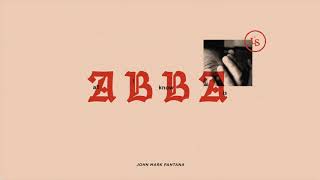
Watch the official Abba
music video
The Real Conflict: Performance Versus Presence
A key line mentions nine to five
, which brings ordinary work life into the song’s spiritual struggle. This is not just about religion. It is also about modern life’s habit of measuring worth by output.
Then the lyric says the singer can turn life into a simple cell
. That is a striking image. A cell is small, confining, and self-enclosed. Interpretation: the song suggests people can imprison themselves inside routines, expectations, or even neat spiritual ideas that leave little room for wonder.
This helps explain why the chorus sounds so stripped down. The repeated return to All I know is Abba
is not anti-thinking. It is anti-complication. The hook rejects the pressure to know everything and chooses one grounding truth instead.
Why “Abba” Carries So Much Weight
In Christian tradition, “Abba” is a deeply personal word for father, often discussed in connection with the New Testament’s language of adoption and closeness to God. The song uses that tradition in a warm, devotional way, not as a doctrinal slogan.
The emotional center is not theology as argument, but theology as belonging. When the singer says I belong to You
, the track reaches its clearest statement of identity. They are not trying to earn sonship. They are resting in it.
That is the heart of the meaning of Abba John Mark Pantana: the song says the deepest spiritual knowledge is relational, not merely intellectual. The singer’s confidence comes from being loved, not from having life fully figured out.
Eden Echoes and the Longing for Nearness
The line about walking in the cool of the day
strongly recalls Eden imagery from Genesis. Without quoting Scripture directly, the song reaches back toward a picture of unbroken fellowship between God and humanity.
That reference matters because it deepens the song’s idea of simplicity. The singer is not asking for less truth. They are asking for restored nearness—faith without hiding, scrambling, or proving.
A short multi-line section later shifts the imagery from the singer’s struggle to the Father’s joy:
Singing and dancing
Over your sons
Smiling and beaming
This paints God not as cold evaluator but as delighted parent. Interpretation: that change in image may be the song’s healing move. Once God is seen as joyful and welcoming, the singer no longer has to live inside self-made pressure.
How the Repetition Becomes the Message
Musically, songs like this often depend on repetition, gentle pacing, and a devotional vocal tone. Even without detailed production credits, the lyric itself points toward a worship structure: verses introduce tension, the chorus simplifies it, and the bridge expands the emotional vision.
That matters because repetition here is not filler. It acts like meditation. Each return to “Abba” narrows attention away from anxiety and toward trust. In worship music, that kind of repetition often helps listeners move from analysis to participation.
The song’s plain language also supports its purpose. There are poetic moments, but the writing avoids dense metaphor. That makes the song feel accessible, almost conversational, which fits its central theme of uncomplicated relationship.
A Gentle Reading of the Song’s Main Idea
The best way to read this song is as a rejection of spiritual and emotional over-engineering. The speaker starts in frustration, admits self-created traps, and ends in belonging. The movement is from complexity to communion.
A second Interpretation is that the song also speaks to burnout. The workday image, the pressure of formulas, and the longing for simple affection all fit the experience of someone exhausted by constant striving. In that reading, “Abba” becomes both prayer and protest.
Why This Song Connects So Easily
Many listeners connect with “Abba” because it names a common fear: that life with God can become another system to manage. John Mark Pantana answers that fear with tenderness. The song says the center is not achievement, but attachment; not performance, but presence.
For listeners in the United States especially, where busyness often shapes identity, that message lands with unusual force. The song invites them to imagine that the truest thing about them is not what they produce, but whose they are.
Disclaimer: This article offers interpretation based on the lyrics provided and publicly understood Christian themes. Meaning can remain personal, and different listeners may hear the song differently.








