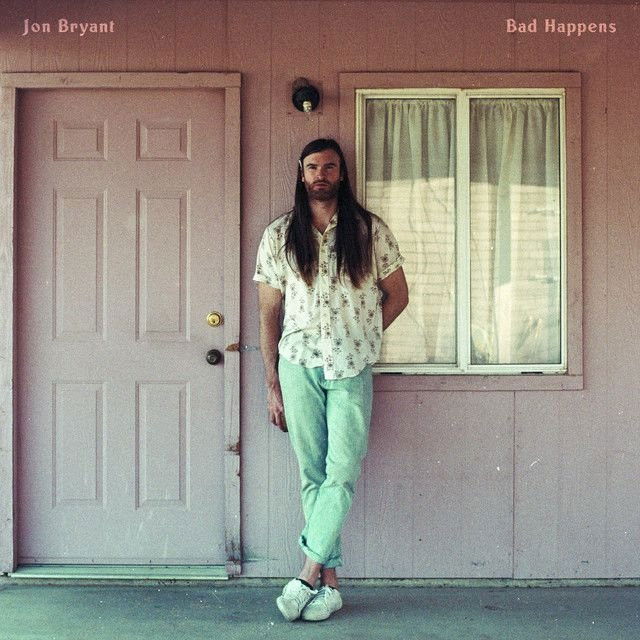
Why ‘Bad Happens’ Hurts Without Villains
The meaning of Bad Happens Jon Bryant comes down to one hard idea: sometimes a relationship ends not because one person is evil, but because both people fall into patterns they cannot break. That makes the song sadder and more believable. It is not a revenge song. It is a song about damage, regret, and the small ways people drift apart until the loss feels permanent.
"Bad Happens" - Jon Bryant
And I stopped telling you where have been
I stopped trying to prove you wrong
Loading lyrics...
Unable to load lyrics
We're unable to display the lyrics at this time. Please try again later.
Jon Bryant is a Canadian singer-songwriter known for intimate, reflective writing, and the song is credited to Jonathan Robert Bryant and Grant Averill. Those writing credits come from the song information provided here. That context matters because the track sounds like a songwriter trying to tell the truth plainly, not dress it up.
A Breakup Song About Patterns, Not Enemies
From the first verse, the relationship is already breaking down through silence. One person stops checking in, and the other stops sharing where they have been. That mutual withdrawal is the key to the whole song. The problem is not a single betrayal. It is repetition.
When the lyric mentions stopped calling
and then answers it with another retreat, the song shows a couple mirroring each other’s worst instincts. They are locked into a cycle. Even the line about fighting this way too long suggests they know the pattern well, but knowing it does not save them.
Interpretation: This is why the song feels mature. It refuses the easy story where one side is clearly right. Instead, it shows how exhaustion can replace connection.

Watch the official Bad Happens
music video
How the Chorus Explains the Whole Message
The chorus delivers the emotional thesis. The phrase Bad happens
sounds simple, but it carries a lot of weight. It frames pain as part accident, part consequence. Then the song narrows the cause to Bad habits
, meaning repeated choices, defensive moves, and learned ways of hurting each other.
What makes the chorus stand out is its mercy. After admitting failure, it insists that this does not mean they are morally ruined. In plain terms, the song says people can do damage without being all bad. That distinction gives the track its warmth.
Bad happens
Bad habits
the best that we had
Those short phrases summarize the song’s worldview: life goes wrong, people contribute to it, but love once existed and still deserves respect.
The Story Moves From Distance to Self-Numbing
The second verse deepens the wound. The speaker remembers a time when forgiveness came easier, back when they were younger. That detail matters because it suggests adulthood has made memory heavier, not lighter. Innocence is gone, and so is the easy reset button.
Then the song turns inward with wine and cigarettes
. That image is brief, but it says a lot. Instead of healing, the speaker manages pain with habits that fill space but solve nothing. The chest is filled, but emotionally they are still empty.
A Quick Timeline of the Narrative
- Communication fades.
- Old fights keep repeating.
- A drive on the interstate becomes a moment of emotional reckoning.
- The speaker tries to dull the hurt.
- They finally imagine a future beyond the relationship.
That structure gives the song motion. It does not stay trapped in blame. It moves slowly toward acceptance.
Why the Interstate Image Matters
One of the strongest images is the drive up the interstate. Roads in breakup songs often suggest escape, reflection, or the long space between decision and acceptance. Here, the drive feels like emotional momentum. They cannot shake the feeling because grief does not stay behind when the car moves.
Interpretation: The interstate may symbolize that strange middle ground after a breakup, when the body is in motion but the mind is stuck. It fits the song’s larger tension between trying to move on and still living inside the past.
How the Sound Likely Carries the Meaning
Without overcomplicating it, this song works best as a restrained singer-songwriter performance. Its lyric structure suggests a steady tempo, a clear chorus, and a vocal delivery that grows slightly stronger on the hook. That kind of arrangement would support the central idea: calm truth hurts more than dramatic shouting.
If the production uses acoustic guitar, light percussion, or warm ambient textures, that would make sense for Bryant’s reflective style. A measured build in the chorus would underline how the message expands from one breakup into a broader statement about human behavior.
The repetition of the hook also matters musically. Each return to half bad
softens the judgment. Sung rather than spoken, the line becomes reassurance.
The Final Turn: Hope Without Denial
Near the end, the speaker imagines a future where they no longer live in a lie and may find somebody new. This does not erase the pain. It simply proves they are starting to picture life after it.
That is an important difference. The song does not end in triumph. It ends in emotional realism. They are not fully healed, but they can finally see healing as possible.
For listeners searching for the meaning of Bad Happens Jon Bryant, that final note is crucial. The song is about accepting that relationships can fail through human weakness, while still believing that failure does not define a person forever.
The Lasting Meaning of “Bad Happens”
What gives this song its pull is its balance. It holds accountability and compassion at the same time. It admits that bad habits can wreck something good, but it resists turning heartbreak into a courtroom.
That makes the song feel honest. Many people do not leave relationships with a neat villain story. They leave with mixed memories, shared blame, and the uneasy comfort that love was real even if it could not last.
Disclaimer: This article offers interpretation based on the lyrics and available song credits. Meanings in music can vary from listener to listener.








