What “Desert Plains” by Judas Priest Really Means
The meaning of Desert Plains Judas Priest comes through fast: this is a song about desire in motion. Judas Priest turns a night ride across open land into a story of devotion, hunger, and release. Rather than describing romance in soft language, they make it feel loud, physical, and urgent.
"Desert Plains" - Judas Priest
The sky is black
I heed your call, I'm coming back
Loading lyrics...
Unable to load lyrics
We're unable to display the lyrics at this time. Please try again later.
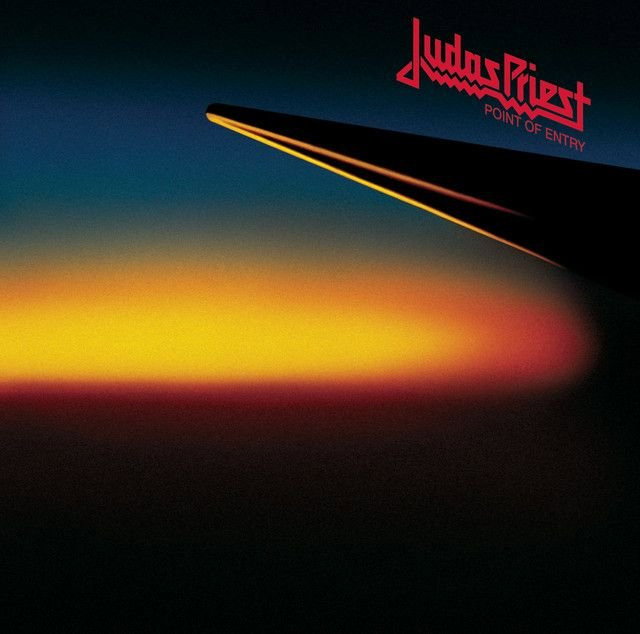
The track appears on Point of Entry (1981), a Judas Priest album that pushed toward a more direct hard rock sound while keeping the band’s metallic force. The song is credited to Rob Halford, Glenn Tipton, and K.K. Downing, and it has become one of the record’s most enduring tracks.
A Love Song Built Like a Highway Run
At the surface level, the song tells a simple story. Someone is traveling through the night to reach the person they want. The landscape is wide, dark, and intense, but nothing slows them down.
That is why the key line matters so much. When the chorus says From desert plains
and then promises I bring you love
, the song frames love as something earned through distance and effort. They are not just feeling passion. They are carrying it across miles.
Interpretation: The desert works as more than a setting. It suggests emptiness, isolation, and testing. In that reading, love becomes stronger because it survives a difficult crossing.
Watch the official Desert Plains
music video
The Narrator’s Voice Is About Movement and Need
The verses are packed with motion. The moon rises, the road stretches forward, and the machine becomes part of the body. Even a phrase like wind's in my eyes
does two things at once: it places the listener on the ride, and it shows that the journey has a cost.
There is also a physical boldness in the song that fits Judas Priest’s style. The machine imagery is not cold or mechanical. It feels sensual, almost inseparable from desire. That helps explain why the ride never seems casual. It feels necessary.
Then in the distance
I see you stand
On the horizon
you raise your hand
This is the payoff. After the strain of the earlier verses, the song finally gives the traveler a human image at the end of the road. The horizon is no longer empty. It becomes a place of reunion.
How the Story Unfolds From Darkness to Arrival
The narrative is easy to follow, which is part of the song’s strength. It moves in three clear stages:
- Departure: Night falls, the call comes, and the traveler sets out.
- Trial: Nature and exhaustion push back, but the rider refuses to stop.
- Arrival: The distant figure appears, and the chase ends in embrace.
That straightforward structure gives the song a mythic quality. It is not overloaded with detail because it wants to feel universal. Anyone who has chased love, relief, or belonging can recognize the emotional arc.
Why the Chorus Feels So Big
The chorus is repetitive, but that is exactly why it works. It acts like a vow. Every time the line returns, it reminds the listener that this trip has one purpose.
Interpretation: The repetition may also suggest obsession. The traveler is so locked onto the goal that every image, every sound, and every mile circles back to the same promise. In that sense, the chorus is both romantic and intense.
For Judas Priest, that balance matters. Their best songs often make emotion feel huge rather than delicate, and “Desert Plains” follows that pattern.
Symbols Hidden in the Open Landscape
Several images carry the song’s deeper meaning:
Moonlight, thunder, and sunrise
These are not just weather details. They create a passage through time, moving from darkness toward light. That gives the song a sense of transformation, as if desire must pass through danger before it becomes fulfillment.
The road and the horizon
The road stands for commitment. It is straight, relentless, and demanding. The horizon stands for hope, always just ahead until the final moment when hope becomes real.
The machine as emotion
The engine and speed imagery make love feel embodied. Instead of abstract feeling, the song presents passion as force, vibration, and motion. That physical language is a big part of what gives the song its power.
How the Sound Sells the Meaning
Musically, “Desert Plains” supports its story with a strong forward drive. The guitars are sharp and open, the rhythm section keeps a steady push, and Halford sings with urgency rather than restraint. The result is a song that feels like travel.
That production choice matters. If the music were slower or more dreamy, the lyrics might feel reflective. Instead, Judas Priest makes the listener feel the chase in real time. The sound is muscular, but not chaotic, which matches the image of a determined rider locked onto a destination.
The track also fits Point of Entry’s reputation for a more accessible, road-tested feel compared with some of the band’s more complex albums. That makes “Desert Plains” a strong example of how Priest could simplify without losing identity.
A Few Alternate Readings Worth Considering
There is a clear romantic reading, and it is likely the main one. Still, the song invites other ideas.
Interpretation: Some listeners hear it as a song about freedom itself, where the lover at the end is almost secondary to the thrill of pursuit. Others hear a spiritual edge in the movement from darkness to light, as if the destination is redemption as much as romance.
Those readings are possible because the lyrics stay broad. Judas Priest gives just enough story to guide the listener, but not so much that the meaning closes down.
The Lasting Takeaway
The meaning of Desert Plains Judas Priest is rooted in motion, longing, and payoff. It turns a lonely ride into a declaration that love is not passive; it is something they pursue through pain, distance, and night.
That mix of simplicity and force is why the song lasts. It is a road song, a love song, and a metal song all at once.
Disclaimer: This interpretation is based on the song’s lyrics, musical presentation, and known band context. As with many songs, listeners may hear meanings that differ from the one presented here.







