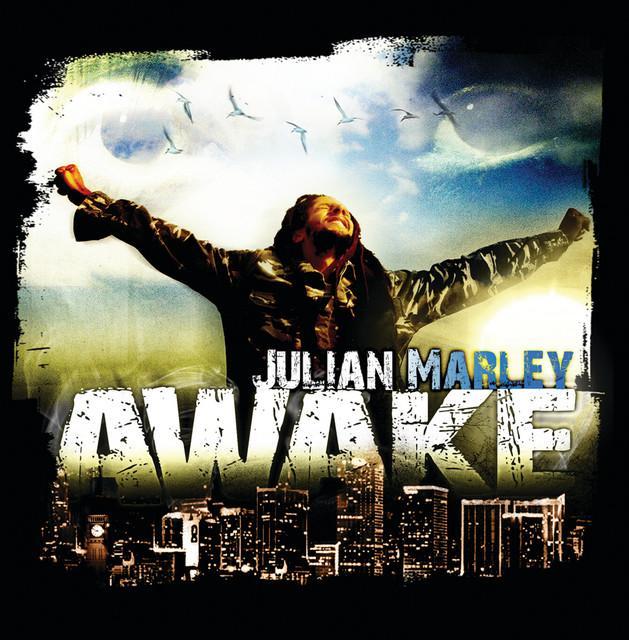
Why ‘Boom Draw’ Is More Than a Weed Song
The meaning of Boom Draw Julian Marley starts with herb, but it does not end there. On the surface, the song is an easygoing roots reggae track about smoking cannabis. Underneath that, it presents herb as prayer, healing, memory, and protest.
"Boom Draw" - Julian Marley
Healing of a nation, I cients, whoa
Healing of a nation, I cients, whoa
Loading lyrics...
Unable to load lyrics
We're unable to display the lyrics at this time. Please try again later.
Julian Marley, son of Bob Marley, has long worked in roots reggae and Rastafarian themes, a background reflected across his catalog and public profile on the Grammy Awards site and AllMusic. In “Boom Draw,” they use a relaxed groove to argue that herb is not just recreation. It is part of a worldview.
The Core Message Hiding in Plain Smoke
At its center, the song treats cannabis as a sacred tool. Early lines connect a bedside stash with an open book of scriptures
, placing herb beside prayer and study. That pairing matters. The song is not describing a party scene. It is describing a ritual space.
The repeated opening idea about the healing of a nation
widens the frame. This is not only about one person feeling better. It suggests a society that is sick and in need of restoration. Interpretation: the track argues that spiritual clarity and natural living can help repair damage caused by stress, oppression, and hypocrisy.
That is why the song keeps returning to meditation. When Julian Marley sings about keeping it high and staying steady, they present elevation as mental and spiritual, not only physical.
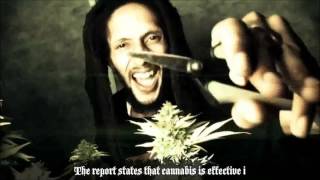
Watch the official Boom Draw
music video
Herb as Sacrament, Not Just Escape
One of the clearest ideas in the lyric is that herb is holy. The song directly says herbs to I is a sacrament
. In Rastafarian belief, cannabis has often been understood as an aid to reasoning, meditation, and spiritual awareness, a point widely discussed in reference works like Encyclopaedia Britannica’s overview of Rastafari.
That context changes how listeners hear the whole track. References to psalms, Solomon, and Haile Selassie are not decorative. They place the song inside a religious tradition. Even when the words are playful, the belief underneath them is serious.
Interpretation: the song frames smoking as a kind of communion. The “draw” becomes a physical act that opens a mental door. That reading is strengthened by the way the lyric links herb with reasoning, praise, and intelligence.
What “Babylon” Means Here
The song’s most political image is Babylon. In reggae and Rastafarian language, Babylon usually stands for corrupt systems: colonial power, state violence, false authority, and social control. So when the lyric says burn down babylon
, the song is speaking in a familiar symbolic language of resistance.
This matters because it stops the track from sounding one-note. The narrator is not only looking for calm. They are also rejecting what they see as lies and pressure from the outside world. Later lines about stress rising and seeing through deception support that idea.
A Song of Defiance
The chorus-like return to fire, rolling papers, and lighters may sound casual, but it also carries a rebellious edge. Interpretation: fire works on two levels here. It is literal, because herb is being lit, and symbolic, because false systems are being challenged.
How the Verses Build a World
The song moves in circles rather than a strict story, but a few key beats stand out:
- It opens with national healing and spiritual purpose.
- It places herb next to scripture and meditation.
- It roots the practice in older tradition through Solomon and Rastafarian faith.
- It shifts into resistance against Babylon and oppression.
- It ends in uplift, calm, and sharpened vision.
That structure helps explain the meaning of Boom Draw Julian Marley. The track keeps moving from the personal to the collective. A single smoke becomes part of a much larger philosophy.
Run run run as fast as you can
green green man
In this brief moment, the voice turns humorous and slippery. They sound untouchable, almost mythic. The point seems to be that the spirit they are describing cannot be easily controlled.
The Sound Makes the Meaning Feel Natural
Musically, “Boom Draw” leans on classic reggae traits: a relaxed tempo, deep bass presence, offbeat rhythm guitar, and a repeating groove that feels more chanted than rushed. Those features are central to roots reggae as a style, as outlined by AllMusic’s reggae genre guide.
That sound matters to the meaning. The steady rhythm creates the feeling of breath, repetition, and meditation. The bass gives the song physical grounding, while the vocal phrasing stays conversational, as if Julian Marley is reasoning with friends rather than performing at them.
Interpretation: the production helps turn the song into an experience of calm resistance. It does not preach with force. It persuades by atmosphere.
A Weed Anthem With a Wider Vision
It is fair to call “Boom Draw” a weed song. The lyrics are open about that. But reducing it to that alone misses what makes it distinct.
The song joins several ideas at once: spiritual practice, black Atlantic resistance, natural healing, and communal thought. Even the line keep mi stress from rise
points beyond pleasure toward relief and survival.
For U.S. listeners, that is the best way to hear it. “Boom Draw” belongs to the reggae tradition where herb often symbolizes more than intoxication. It can mean insight, refusal, and connection.
Why the Song Still Lands
The lasting appeal of the track is how gently it carries conviction. It never sounds academic, yet it is full of worldview. It never stops being catchy, yet it keeps returning to faith and freedom.
So the meaning of Boom Draw Julian Marley is this: a celebration of herb as sacrament, a defense of meditation as healing, and a rejection of Babylon as spiritual corruption. It is mellow on the surface, but firm at the core.
Disclaimer: This interpretation is based on the lyrics, reggae/Rastafarian context, and commonly understood symbolism. Different listeners may reasonably hear the song in different ways.






