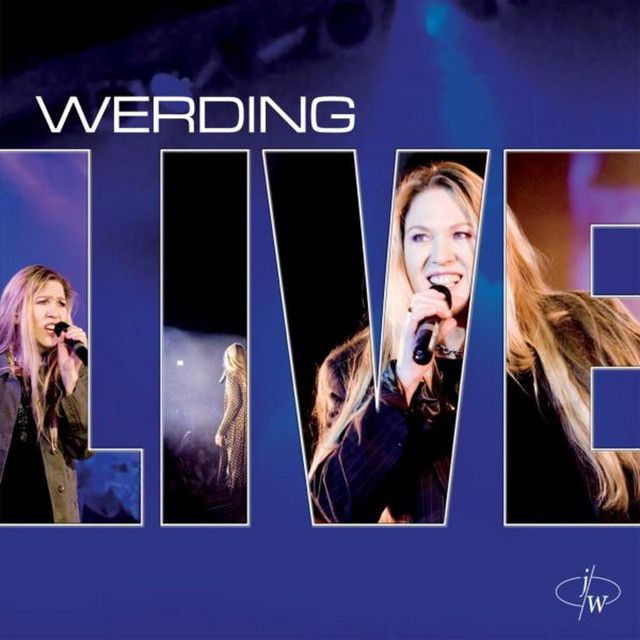
Why 'Nacht voll Schatten' Still Hurts
The meaning of Nacht voll Schatten Juliane Werding comes through as a story of shock, loss, and a memory that never stops echoing. On its surface, the song sounds like a nighttime drama. Underneath, it is really about surviving the moment after someone is taken away by violence and learning to live with that absence.
"Nacht voll Schatten" - Juliane Werding
Hell war der Mond und die Nacht voll Schatten
Fühlte ich das Unheil nahen
Loading lyrics...
Unable to load lyrics
We're unable to display the lyrics at this time. Please try again later.
Juliane Werding built much of her career around emotionally direct German pop songs, and this one fits that strength well. The song is credited here to writers Michael Kunze and Michael Oldfield, and its writing style shows that blend of clear storytelling and dark atmosphere. Rather than explain everything, it gives listeners a few sharp images and lets grief fill the space between them.
A Night Scene That Turns Into Mourning
At first, the song feels like a memory replayed in slow motion. The narrator looks back on the last meeting with a loved one. The image die Nacht voll Schatten
suggests more than weather or scenery. It points to a world where danger is present even before anyone fully understands it.
That is why the opening matters so much. The narrator already senses trouble coming. They feel that something is wrong, but they cannot stop what follows. This makes the song less like a mystery to solve and more like a trauma memory: the mind keeps returning to the signs it missed.
Watch the official Nacht voll Schatten
music video
The Plot Hiding Inside the Lyrics
The story unfolds in a simple but haunting sequence:
- The narrator sees the loved one for the last time.
- A hidden conflict or
ein alter Streit
seems to pull that person away. - The narrator hears threats in the dark.
- Then
Sieben Schüsse fielen
, and someone runs. - Years later, the survivor is still haunted by that night.
Those details make the song feel almost like a crime ballad. But it never becomes cold or procedural. The focus stays on the one left behind, not on the attacker. That choice shapes the song’s emotional center.
Who Is Speaking, and Why It Matters
The lyrics use an intimate first-person voice, but the article’s key point is how they function emotionally. The speaker is not just describing events. They are trying to keep a bond alive with someone who is gone.
That is clearest in the lines about still feeling the person’s presence and one day being reunited. Paraphrased, the song says grief does not erase love; it changes where that love lives. The lost person is no longer physically near, yet emotionally they remain close.
Du lebst jetztin einer besseren Weltauf dem andern Uferder Nacht
This is the song’s most important image. Death is described as crossing to another shore. It softens the harshness of murder without denying the pain. The phrase turns loss into distance rather than total disappearance.
Symbols That Carry the Song’s Weight
Several recurring images deepen the meaning of Nacht voll Schatten Juliane Werding.
Moonlight and shadow
The bright moon and the shadow-filled night create a contradiction. Everything should be visible, yet the truth remains hidden. Interpretation: this may reflect how trauma works. A person can remember fragments very clearly while still being unable to fully understand what happened.
The dark river or shore
The image of dem andern Ufer der Nacht
is the song’s strongest symbol. It suggests a border between life and death, memory and afterlife, presence and absence.
Clouds, voices, and gunshots
These details make the scene feel unstable and threatening. Wild clouds imply chaos. Voices suggest confrontation. The gunshots transform fear into irreversible loss.
How the Sound Supports the Story
As a German pop song, it likely leans on strong melody, steady rhythm, and a polished arrangement rather than raw rock aggression. That matters. A smoother musical frame can make dark lyrics hit even harder because the sadness arrives through contrast instead of noise.
Werding’s vocal style is central here. They sing with control, which keeps the track from becoming melodramatic. The performance sounds like someone recounting pain they have carried for years. That restraint helps the listener focus on memory, not spectacle.
Interpretation: if the arrangement uses spacious keyboards, soft percussion, or cinematic backing, that would fit the lyric’s nocturnal world. The song wants listeners to feel suspended between past and present, almost as if the night never ended.
Two Strong Ways to Read the Song
There are at least two useful readings.
First, it works as a literal narrative about a killing and its aftermath. The details are concrete enough to support that view.
Second, it can be heard more broadly as a song about unresolved grief. In that reading, the exact crime matters less than the survivor’s lasting wound. The repeated return to the same images shows a mind trapped in remembrance.
Both readings lead to the same emotional truth: love survives, but it survives in pain.
Why the Song Endures
What makes this song memorable is not only its dark plot. It is the way it joins suspense to tenderness. The listener gets fear, mystery, sorrow, and even a faint spiritual comfort in one story.
That is the heart of the meaning of Nacht voll Schatten Juliane Werding. It is a song about the last night before everything changed, and about the long years after, when memory becomes its own shadowed landscape.
Disclaimer: This interpretation is based on the lyrics provided and general musical context. As with many narrative songs, some meanings remain open to listener interpretation.







