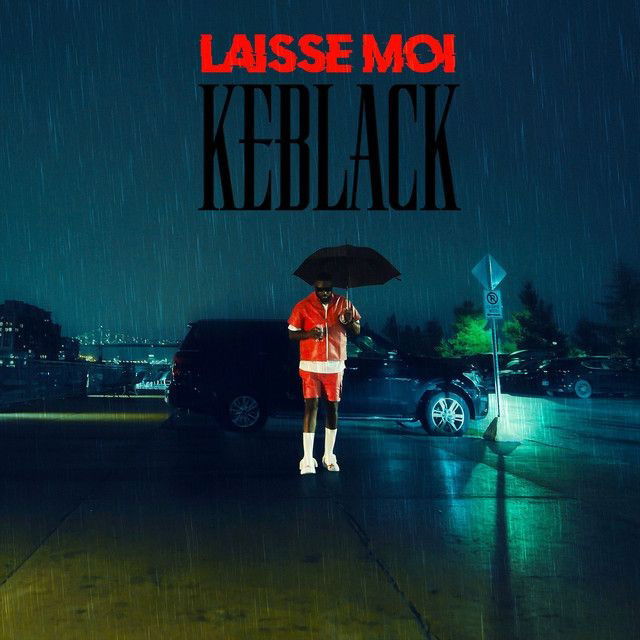
Why 'LAISSE MOI' by KeBlack Pushes Love Away
The meaning of LAISSE MOI KeBlack centers on a breakup that is already decided. This is not a song about wondering whether love can be saved. It is about drawing a line after trust, timing, and feeling have all worn down.
"LAISSE MOI" - KeBlack
Même ton cœur, j'suis parti avec
Bébé a l'bras long comme Luffy
Loading lyrics...
Unable to load lyrics
We're unable to display the lyrics at this time. Please try again later.
KeBlack, the French singer and rapper known for blending melody with streetwise detail, delivers that message in simple but sharp language. According to the writing credits provided, the song was written by Cedric Mateta Nkomi, Maximilien Silva Tavares, and Seny Silva Tavares. The title itself means “leave me alone,” and the song lives up to that directness.
The Core Message Behind the Rejection
At its heart, the track is about emotional closure. The narrator is speaking to someone who wants another chance, but they keep repeating that the relationship is finished. When the chorus insists laisse-moi
and c'est mort
, the point is not subtle: they do not want to reopen what has already ended.
That bluntness matters. Many breakup songs focus on regret or missing someone. Here, KeBlack leans into refusal. The speaker does not sound confused. They sound tired of being pulled back into a cycle they no longer believe in.
A Relationship Told Through Damage and Distance
The verses show why the door is closed. Early on, the narrator describes taking everything, even a heart, then leaving. That image suggests a bond that was intense but destructive. It is a dramatic way of saying the relationship left a mark on both sides.
Later, the song moves from memory to confrontation. The ex appears again through messages and tries to restart contact. But each attempt gets rejected. The repeated idea is simple: she wants to return, and he refuses.
What the Timeline Suggests
The story unfolds in a few clear beats:
- There was once passion and closeness.
- That closeness turned messy and unstable.
- The other person comes back asking to reconnect.
- The narrator chooses distance over repetition.
That structure gives the song its emotional clarity. It is less about the breakup event itself and more about the aftermath, when one person moves on and the other does not.
Why the Chorus Hits So Hard
The chorus is the emotional engine of the track. KeBlack repeats the request for space until it becomes more than a request. It sounds like self-defense.
There is also a smaller phrase that deepens the mood: porte pas l'œil
. In context, that means something like “don’t bring bad energy” or “don’t cast the evil eye.” The line expands the song beyond simple romance. The narrator is not just rejecting a person; they are rejecting the jealousy, tension, and emotional chaos attached to them.
Interpretation: This makes the chorus feel like a protection ritual as much as a breakup statement. They are guarding their peace.
Pop References, Street Detail, and Self-Image
One reason the lyrics feel alive is their casual, modern references. The Luffy mention, through bras long comme Luffy
, adds swagger and humor. It suggests reach, power, or boldness in a way many younger listeners will instantly get.
Another line mentions selling “snow” to take someone to the sun. Paraphrased, that means the narrator claims to have done risky things to provide pleasure or escape. Whether taken literally or as exaggeration, the effect is the same: they present love as tied to hustle, sacrifice, and moral compromise.
Then there is the phrase about things being old history, capped by a Fila reference. That comparison turns the relationship into something dated. It is not just over; it belongs to another era.
The Sound Supports the Meaning
Even without unpacking every production detail, the song’s likely melodic rap and Afro-urban style helps carry its message. KeBlack often works in a lane where smooth hooks soften hard emotions. That contrast matters here.
The instrumental feel behind a track like this usually gives space for repetition, making the chorus land harder. A warm groove can make the song sound catchy, but the lyrics remain cold. That tension mirrors the message: the delivery is musical and polished, yet the narrator is emotionally unavailable.
Interpretation: That mix of melody and dismissal may be why the song connects so well. It lets listeners sing along to something that is, at bottom, a firm boundary.
Two Strong Readings of the Song
Reading One: A Straight Breakup Anthem
The clearest reading is that this is a post-breakup song about refusing an ex. Lines like plus pareil
point to a relationship that changed beyond repair. The speaker sees no path back.
Reading Two: A Song About Protecting Status and Sanity
There is another layer too. The lyrics mention DMs, loyalty during hard times, and bad energy. That can make the song feel like more than romance. It may also be about protecting personal progress from people who return only when life looks better.
Both readings fit because the song keeps intimacy and self-preservation close together.
Why the Song Resonates
The meaning of LAISSE MOI KeBlack is easy to feel because it captures a common modern moment: someone from the past reappears, but the emotions are no longer equal. One person wants access. The other wants peace.
KeBlack expresses that with direct language, memorable references, and a chorus that sticks fast. The song does not beg, mourn, or bargain. It sets terms.
For listeners, that makes it relatable in a different way from a typical sad love song. It is about knowing that closure is not always mutual.
Final Take
“LAISSE MOI” works because its message is simple and its emotion is layered. On the surface, it says leave me alone. Underneath, it shows how people protect themselves after love turns into pressure.
That is the most useful way to understand the song: not as pure cruelty, but as a portrait of someone choosing distance after the feeling is gone.
Disclaimer: This article offers interpretation based on the lyrics provided and publicly known artist context. Song meanings can vary from listener to listener.








