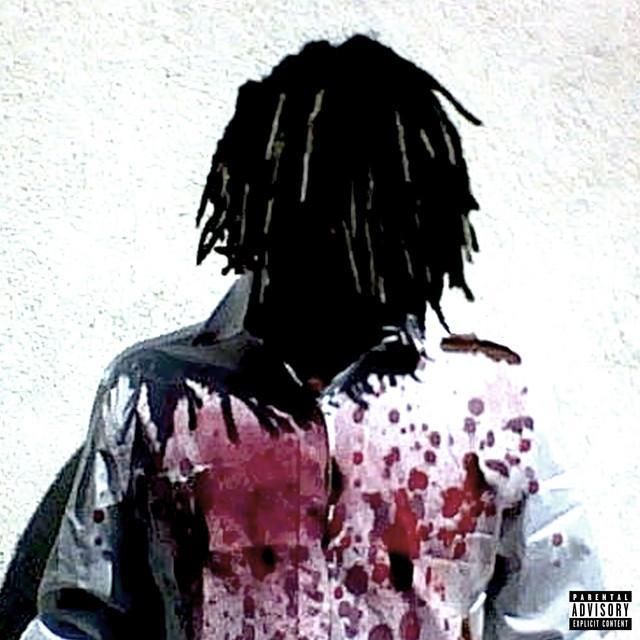
Why "Blakk Rokkstar" Hits Like a Manifesto
The meaning of Blakk Rokkstar Ken Carson starts with a boast, but it lands as a full identity statement.
"Blakk Rokkstar" - Ken Carson
Provided by LyricFindHuh, huh, huh
Huh, huh, huh
Huh, huh, huhLoading...Loading lyrics...
Unable to load lyrics
We're unable to display the lyrics at this time. Please try again later.
A Self-Portrait Built on Noise and Image
At the most basic level, “Blakk Rokkstar” is Ken Carson turning his persona into a slogan. The song is packed with threats, fashion references, cars, jewelry, and sexual confidence, but those details all point back to one larger idea: they are presenting themselves as untouchable, famous, and culturally ahead of everyone around them.
That is why the repeated hook matters so much. When they insist, I'm a Black rockstar
, the line does more than brag. It frames the whole track as a declaration of status. They are not just rich or reckless; they are claiming a larger-than-life role that blends rap star, punk rebel, and fashion figure.
More Than Flexing: What the Verses Are Doing
The first verse builds that identity by stacking images of motion and force. They move from city to city, describe loud bass, and carry themselves like someone who expects attention and danger at the same time. A line like better duck
turns the 808s into something almost physical, as if the music itself is a weapon.
That matters because the song treats fame as both celebration and survival. They show off the chain, the cars, and the clothes, but they also keep returning to masks, caution, and people getting caught slipping. In other words, luxury is not shown as peace. It is shown as proof that they made it through pressure.
The Rockstar Label Has a Purpose
Interpretation: calling themselves a “rockstar” is Ken Carson’s way of rejecting narrow rap categories. In modern rap, that label often suggests chaos, rule-breaking, fashion obsession, and a live-fast attitude. Here, adding “Black” makes the claim more pointed. They are placing themselves in a tradition of Black artists who remake genres and set style rather than simply fitting into one lane.
The Hook Turns Persona Into Myth
The chorus is simple on purpose. By repeating the title phrase over and over, they strip away plot and leave only identity. It feels like branding, but also like self-hypnosis. The more they say it, the more the song tries to make that image feel undeniable.
This is a big part of the meaning of Blakk Rokkstar Ken Carson. The hook is not there to add new information. It is there to harden the song’s worldview: they are singular, copied by others, and impossible to ignore.
Style, Sex, and Status as Symbols
Across the song, material details work like symbols. Cars, diamonds, designer labels, and standout clothing all signal visibility. They do not just own things; they use them to separate themselves from average people and fake competitors.
When they mention a disguise, tribal tattoos, and real stones instead of costume jewelry, they are drawing a line between authenticity and performance. That tension is interesting because the song is obviously performative too. Still, they want listeners to believe the performance is backed by real money, real influence, and real danger.
The sexual lines serve a similar function. They are not romantic scenes. They reinforce control, desirability, and access. In this song’s world, intimacy becomes one more sign of status.
Cracks Beneath the Swagger
Even with all the confidence, a few lines hint at something less stable. When they say eyes weary
, the song briefly suggests exhaustion. Later, my life upside down
adds a sharp contrast to the flashy crosses and expensive style.
Those moments matter because they keep the song from feeling one-note. Interpretation: beneath the flexing, there is a portrait of someone who has won attention but not calm. The money is huge, the image is polished, but the life around it still feels volatile.
Another revealing phrase is I don't feel nothin'
. On the surface, it sounds cold and fearless. But it can also suggest emotional numbness, a common theme in rage rap and adjacent trap styles. That numbness fits a world where speed, cash, and conquest replace reflection.
How the Sound Carries the Meaning
The production is central to why the song works. The opening 808 emphasis makes the beat feel heavy and threatening from the start. The drums hit hard, the ad-libs are clipped and repetitive, and the flow often sounds like they are punching lines into the mix rather than gliding through them.
That sound design supports the song’s identity theme. A “rockstar” here does not arrive through guitars or a classic rock structure. Instead, the rockstar feeling comes from distortion, volume, attitude, and repetition. The performance is aggressive enough to feel almost mosh-ready, which connects Ken Carson to the high-energy, rage-driven lane associated with Opium and related artists.
The credited writers provided by the user include Kenyatta Lee Jr. Frazier, Erik Cordova, Ethan Andrade, Michael Joseph Alberro, and Richard Ortiz. Those credits underline that the track’s effect comes from both writing and sonic construction, even if publicly available production details are limited.
A Useful Way to Read the Song
Listeners do not need to take every line literally to understand it. The song works best as a persona record. It exaggerates real themes—fame, threat, style, numbness, competition—until the artist becomes almost comic-book sized.
That is why the title matters so much. “Blakk Rokkstar” is less a story than a role they are stepping into. The verses give it props and scenery; the chorus gives it a name.
Final Take on the Track’s Message
The meaning of Blakk Rokkstar Ken Carson is about turning success into identity and identity into spectacle. It celebrates money and motion, but it also hints that this lifestyle demands armor, paranoia, and emotional distance.
For casual listeners, the song may sound like pure flexing. For closer listeners, it sounds like a manifesto for a modern rap star who wants to be seen as louder, stranger, and more dangerous than the rest.
Disclaimer: This interpretation is based on the lyrics provided, the song’s performance style, and publicly known artist context. As with any song, meanings can vary by listener.








