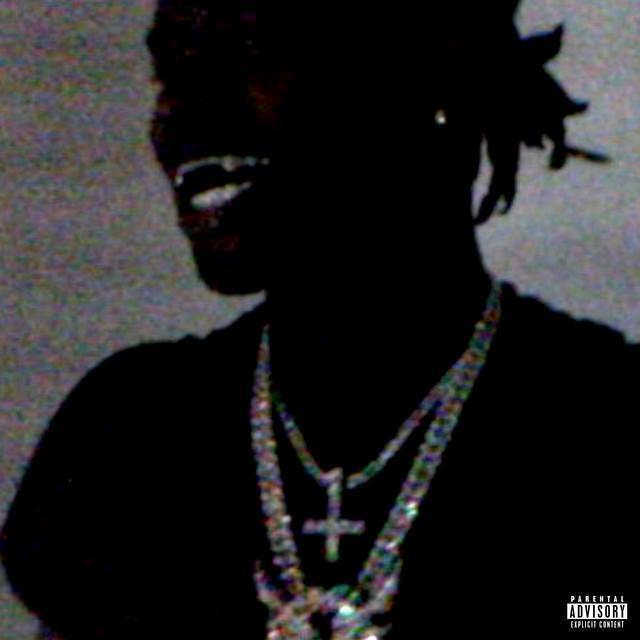
Nightcore by Ken Carson
Ken Carson’s "Nightcore" is less a story than a pressure blast of identity. For listeners searching for the meaning of Nightcore Ken Carson, the clearest answer is this: the song is about building a larger-than-life rap persona through excess, menace, lust, and motion.
"Nightcore" - Ken Carson
Tattoos on my neck and on my arms
I can tell by the way she look, huh-huh, she want some
Loading lyrics...
Unable to load lyrics
We're unable to display the lyrics at this time. Please try again later.
Rather than slow down and explain feelings, they turn style into meaning. Every bar adds to a world where being seen as untouchable matters as much as anything real.
The Real Point of the Flex
At its core, "Nightcore" is a self-portrait in exaggerated form. Ken Carson introduces themself through smoke, tattoos, women, money, and location. When they say Kush smoke in my lungs
and mention ink on their body, they are sketching a fast visual of the lifestyle they want attached to their name.
That matters because the song keeps returning to image. They are not trying to sound ordinary or reflective. They are trying to sound instantly recognizable, like a brand announcement.
Interpretation: The track’s meaning is not hidden in one emotional revelation. It lives in accumulation. Each boast, insult, and sexual line strengthens the same message: they see themself as the center of attention, and they want everyone else to feel secondary.
A Persona Built on Power and Access
The song’s speaker treats access as proof of status. Women want them, rivals envy them, and money follows them. Even a plain introduction becomes chest-thumping when they say I'm from Atlanta
, tying themself to a city with a strong rap identity and lineage.
They also frame relationships in blunt, transactional terms. That does not make the song emotionally rich, but it does clarify the character. In this world, tenderness has little value unless it supports ego.
There is one brief shift where they say they are not perfect
. That line could have opened a deeper self-reading, but the song quickly snaps back into flexes and threats.
Interpretation: That tiny admission makes the track more interesting because it hints that the tough exterior is still a performance. But the song refuses to stay there. It chooses dominance over introspection.
How the Verses Move
"Nightcore" works in bursts rather than scenes. A few patterns organize the chaos:
- Self-definition: They describe their body, habits, and city.
- Desire and detachment: They present sex as conquest, not connection.
- Competition: They mock other rappers and unnamed enemies.
- Status proof: They point to jewelry, money, touring, and viral visibility.
One of the strongest recurring ideas is that their success existed before public validation. When they claim they had money before online recognition, they are separating real hustle from internet clout. That helps explain why the song sounds so dismissive toward rivals.
Violence, Threats, and Control
Some of the song’s harshest lines use threat imagery to project control. The speaker talks like someone who wants to dominate every room, every rival, and every romantic encounter. These bars are best read as part of rap’s long tradition of hyperbolic toughness, where intimidation itself becomes performance.
Still, the language matters. Phrases like wait your turn
turn competition into a pecking order. The point is not simply that they are successful. The point is that everyone else is late.
Interpretation: In this track, aggression is a branding tool. It helps build a version of Ken Carson that feels too reckless, too rich, and too confident to challenge.
Why the Hook Hits So Hard
The repeated opening section acts like the song’s thesis. It is memorable because it compresses the whole persona into a few images: smoke, tattoos, lust, name, place. The repetition makes those details feel less like random facts and more like a logo stamped onto the track.
Kush smoke in my lungs
Tattoos on my neck and on my arms
Those two lines are simple, but they do a lot. They tell listeners what this character looks like, what they consume, and what atmosphere the song wants to create.
The Sound of Overstimulation
Production is a big part of the meaning of Nightcore Ken Carson. The title points toward a digital, sped-up aesthetic, even though the track itself sits in Ken Carson’s usual rage-rap lane more than literal internet nightcore. The beat is synthetic, punchy, and hard-edged, with space for sharp vocal attacks.
That matters because the production mirrors the lyrics. The song feels overstimulated on purpose: bright textures, blunt drums, and a delivery that sounds half-boast, half-taunt. Instead of warmth, the sound gives listeners cold shine.
Writers for the track include Kenyatta Lee Jr. Frazier, Pierre Thevenot, and Stefan Lucian Cismigiu, according to the song information provided. That collaborative framework fits a song built around vibe and impact as much as narrative detail.
Artist Context Helps Explain It
Ken Carson is closely associated with the rage and Opium-centered strain of modern trap, a style known for blown-out energy, punk attitude, and fashion-first imagery. Within that lane, "Nightcore" makes sense as a performance piece. It is meant to intensify their persona, not complicate it.
So when they brag about going viral, touring, and charging for talent, those are not side notes. They are central to the song’s mission. Fame itself becomes content.
Final Take
The meaning of Nightcore Ken Carson comes down to self-mythology. It is a song about turning lifestyle details into power, then turning power into spectacle.
Interpretation: Listeners who want confession may find it shallow. Listeners who understand it as an exercise in persona, pressure, and aesthetic control will hear exactly what it is trying to do.
Disclaimer: This interpretation is based on the lyrics, performance, and artist context, and other listeners may reasonably hear different meanings.








