Why 'Back Where I Come From' Still Hits Home
The meaning of Back Where I Come From Kenny Chesney starts with a simple idea: home stays inside a person, even after they leave it. In Kenny Chesney’s version, the song is not just about missing a hometown. It is about defending it, honoring it, and admitting that its values still shape who they are.
"Back Where I Come From" - Kenny Chesney
The clock ticks and the cattle graze
Time passed with amazing grace
Loading lyrics...
Unable to load lyrics
We're unable to display the lyrics at this time. Please try again later.
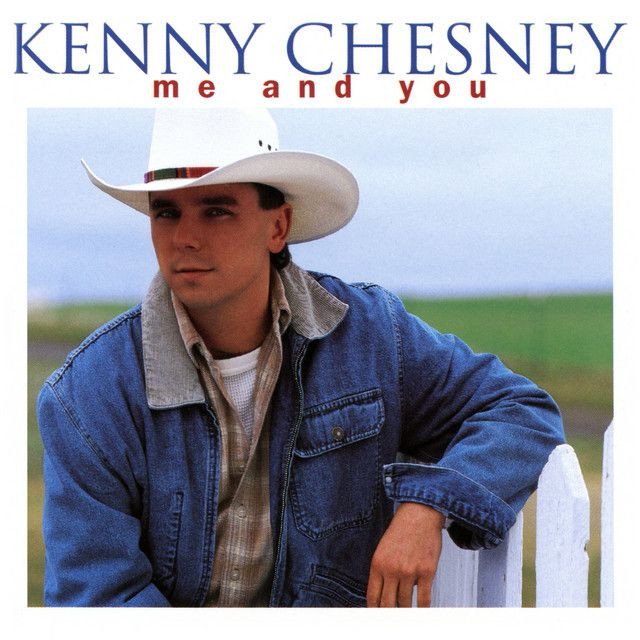
The song was written and first recorded by Mac McAnally in 1990 for Simple Life. Kenny Chesney later cut his own version for Me and You in 1996, helping bring the song to a wider audience. McAnally himself later said he felt the song expressed something personal he “wanted to be the first to say,” a comment widely attributed to American Songwriter and summarized in reference sources such as Wikipedia. Chesney’s recording became especially lasting, and it has been listed as Gold by the RIAA according to reference data summarized on Wikipedia.
A Small-Town Song With a Bigger Point
At the surface, the lyrics paint scenes from rural Southern life. They mention cattle, riverbanks, church, moonshine, old television sets, and local beauty. These details make the song feel specific and believable.
But the deeper message is about identity. When the singer repeats Back where I come from
, they are doing more than naming a place. They are claiming a set of memories, habits, and values that still matter.
Interpretation: The song argues that a hometown can be imperfect and still be worthy of love. That is why the lyric does not sound dreamy or distant. It sounds grounded.

Watch the official Back Where I Come From
music video
How the Verses Build a Sense of Place
Each verse adds another piece of the hometown picture. The opening lines describe a place where life moves slowly and naturally. The image of a clock ticking while cattle graze suggests a community not ruled by rush or status.
Later, the song moves to local freedom and harmless rebellion. A line like lie on a riverbank
captures the lazy ease of small-town living, while the joke about beer and the nod to homemade liquor show a culture with its own humor.
Religion also matters. The Sunday school verse places faith right in the middle of daily life. Then the lyric turns playful with made the moonshine, too
. That switch is important. It shows a place that is both moral and mischievous, serious and funny.
The Chorus Turns Memory Into Identity
The chorus is the emotional center of the song. It does not simply say the speaker remembers home. It says they remain tied to it. The line when it's said and done
gives the chorus weight, because it frames home as the final truth beneath all the changes of life.
That is why the pride in the chorus feels earned instead of boastful. The singer says they are proud as anyone
, which puts hometown pride on equal footing with any city, coast, or cultural center.
Interpretation: This is the song’s strongest point. It is not asking outsiders for approval. It is refusing to feel lesser.
The Most Important Twist: Answering the Critics
The sharpest moment comes near the end, when the song admits that some people see such places as backward. That changes the meaning of the whole track.
Without that verse, the song would mostly be nostalgia. With it, the song becomes a defense of overlooked communities. The singer knows the stereotypes: narrow wages, narrow minds, limited chances. Yet they still answer with loyalty.
That response is what gives the song staying power. It understands that small towns can be judged harshly from the outside. Even so, the singer insists that criticism does not erase belonging.
Why Kenny Chesney Was a Natural Fit
Chesney has built much of his career around songs of roots, place, memory, and escape. Even before his beach-and-road image became dominant, he often sang about where a person starts and what they carry forward. That made this song a natural match for him.
His version appeared on Me and You, while a live recording later appeared on Greatest Hits. According to the reference data above, Mac McAnally even joked that Chesney was “kind enough to bail me out and cut it again,” a brief quote that captures how much Chesney helped extend the song’s reach.
Chesney also brings a different emotional texture than McAnally. Where the writer’s original feels intimate and authorial, Chesney’s performance feels communal, like something meant to be sung back by a crowd that recognizes itself in it.
How the Sound Carries the Meaning
Musically, the song is a mid-tempo country tune, and that matters. It does not rush. The relaxed pace supports the idea of a place where time is felt, not chased.
The instrumentation in Chesney’s style typically leans on steady drums, warm guitars, and a clean melodic line. That straightforward country sound mirrors the plainspoken writing. Nothing in the arrangement distracts from the storytelling.
Interpretation: The simplicity is part of the message. A complicated production would work against the song’s honesty. Instead, the music leaves room for listeners to place their own hometown memories inside it.
Why the Song Still Connects
Part of the reason this track lasts is that almost everyone has a version of “back where I come from,” even if they did not grow up in the rural South. They may hear a town, a neighborhood, a family culture, or a code of behavior that still defines them.
That broad connection helps explain why the song reaches beyond regional pride. Its real subject is belonging. Home, in this song, is not perfect. It is formative.
Final Take on Its Meaning
The meaning of Back Where I Come From Kenny Chesney is about more than nostalgia. It is a statement that roots deserve respect, especially when the wider world looks down on them. Chesney’s version keeps the humor, faith, memory, and stubborn pride that made Mac McAnally’s writing so strong in the first place.
In the end, the song says a person does not outgrow where they started. They carry it with them, and sometimes they sing it back into focus.
Disclaimer: This interpretation mixes documented song history with critical reading of the lyrics and performance. Meanings can vary from listener to listener.








