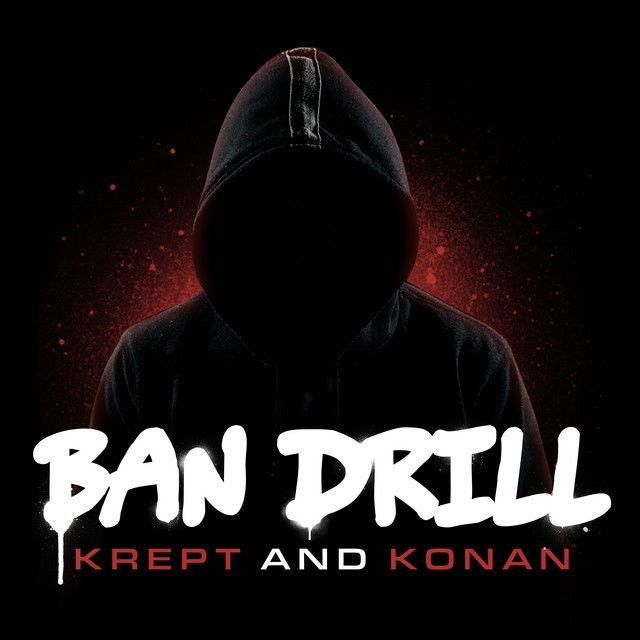
Ban Drill by Krept & Konan
The meaning of Ban Drill Krept & Konan is bigger than one opinion about a genre. The song argues that banning drill music does not remove violence. Instead, it can block one of the few exits available to young people caught in poverty, street pressure, and over-policing.
"Ban Drill" - Krept & Konan
Banning drill, you're making the situation worse
Might as well give them life, or put them in a hearse
Loading lyrics...
Unable to load lyrics
We're unable to display the lyrics at this time. Please try again later.
Krept & Konan build that point through a story. Rather than making a simple political statement, they follow one fictional young man from school to street life, from jail to rap, and from hope back to danger. That structure gives the song its force: they do not just tell listeners the system is failing. They show how it fails step by step.
A Protest Song Disguised as a Street Narrative
At its core, the track pushes back against the idea that drill music itself causes violent behavior. The opening argument is direct. When they say banning drill
is making things worse, they frame the song as a response to censorship and public panic.
Their point is not that violence is harmless. It is the opposite. They show violence as tragic, repetitive, and destructive. But they also suggest that blaming music is easier for authorities than dealing with root causes like poverty, weak opportunity, and social neglect.
This theme fits Krept & Konan’s wider career. The South London duo have long balanced hard realism with ambition and reflection, from mixtapes to their album The Long Way Home. In “Ban Drill,” they use that realism to make a social argument rather than a boast.
Watch the official Ban Drill
music video
How the Storyline Builds the Meaning
The song works like a short film in audio form. A teenager named Jaden starts as a regular kid in a poor area, with a mother trying her best and a life that feels unstable but not yet doomed.
From need to crime
The first turning point is economic. He sees people around him who look successful because of drug money, and he follows them. When the narrator admits he is a product of my environment
, the song does not erase personal responsibility. Instead, it shows how environment shapes the choices a young person thinks are possible.
From prison to possibility
The second turning point comes in jail. There, he discovers rap. One of the song’s sharpest ideas is packed into the contrast between gripped a skeng
and gripped the pen
. In plain terms, the same person who once held a weapon now finds another tool: writing.
That is the song’s central hope. Music becomes an alternative identity, a way to earn, speak, and survive without feeding street violence.
From possibility back to danger
Then the system closes in again. His videos are removed, his shows are blocked, and his momentum slows. The song presents this not as a small career setback but as a life-or-death setback. Once rap income disappears, he returns to the drug trade because, as the story tells it, survival still costs money.
By the end, his death turns the argument into an accusation. The final blame lands not only on rivals or on his own choices, but on the larger decision to shut down the route that might have saved him.
The Hook’s Real Target
The repeated idea is that censorship has a knock-on effect
. That phrase matters because it shifts the argument away from one event and toward consequences.
Now my buzz dying
it's hard to get a deal
Those lines come after his brief rise in music, and they show the chain reaction clearly. If music stalls, money dries up. If money dries up, old risks return. If old risks return, violence follows.
Interpretation: the song is less interested in defending every drill lyric than in defending drill as an outlet. In that reading, they are saying art can document danger without creating it.
Sound, Performance, and Why It Feels So Urgent
Production matters to the meaning of Ban Drill Krept & Konan because the beat supports the track’s bleak logic. The instrumental is sparse, heavy, and tense, with the cold pulse associated with UK drill. That stripped-down sound leaves room for the narrative details to hit.
The delivery also changes with the story. Early sections sound matter-of-fact, almost documentary. Later sections become more emotional as the consequences pile up. Even the spoken moments and scene-setting voices make the song feel cinematic, as if listeners are hearing police sirens, prison talk, and street corners close in around the character.
This is important: the production does not glamorize the ending. It underlines dread. That is one reason the song landed as commentary as much as entertainment.
Context: Why This Message Landed
The song came out during ongoing debate in the UK over drill, policing, and platform bans. Authorities and some media figures often linked drill directly to rising violence, while artists and supporters argued that such claims were simplistic. Coverage from the BBC on UK drill reflects how heated that discussion became.
“Ban Drill” steps into that debate with a narrative case study. Instead of arguing with statistics, Krept & Konan dramatize a life path and ask listeners to think about cause and effect.
For US listeners, the debate may echo older arguments around gangsta rap and censorship. The local details are British, but the underlying question is familiar: when institutions block harsh art, are they reducing harm, or just silencing testimony from communities already under pressure?
Final Take: What the Song Ultimately Says
The best way to understand the meaning of Ban Drill Krept & Konan is to see it as a warning. The duo suggest that when society ignores poverty, limits opportunity, and then targets the art that offers escape, it helps trap young people in the same cycle it claims to oppose.
Interpretation: the song does not say music alone can save everyone. It says taking music away can remove one of the few visible ways out.
That is why the final line hits so hard. It turns a personal tragedy into a political charge.
Disclaimer: This interpretation is based on the lyrics, performance, and public context around the song. As with any art, listeners may hear its meaning differently.








