Why ‘Tańczę nim zasnę’ Hits So Hard
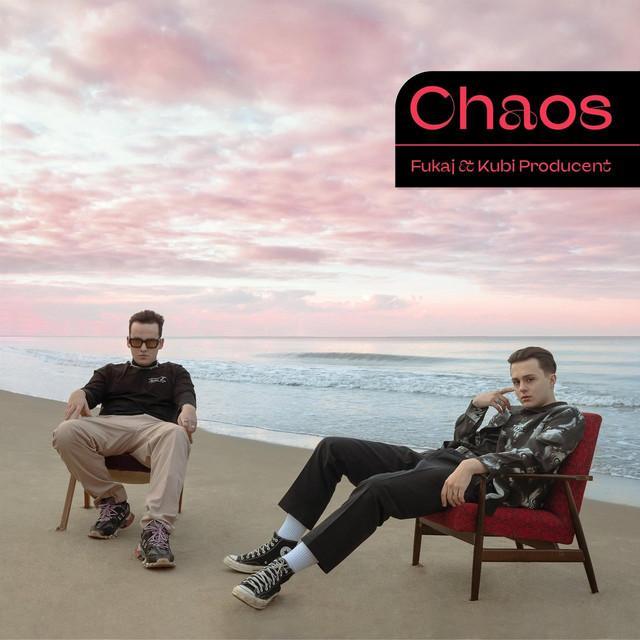
The meaning of Tańczę nim zasnę Fukaj, Kubi Producent sits between euphoria and dread. On the surface, it sounds like a night-out anthem. Under that surface, it feels like a portrait of someone who keeps moving because stillness is dangerous.
"Tańczę nim zasnę" - Fukaj, Kubi Producent
Cały świat to mój parkiet
Nie przejmuj się czasem te światła są jasne
Loading lyrics...
Unable to load lyrics
We're unable to display the lyrics at this time. Please try again later.
The title translates roughly to “I dance before I fall asleep,” and that idea shapes the whole track. Dancing is not just celebration here. It is delay, escape, and maybe self-defense.
A Party Song With a Pulse of Panic
At the center of the song is a speaker who wants to stay in motion. When they repeat Tańczę nim zasnę
, the line works like a mantra. It suggests that dancing is how they get through the night before thoughts become too loud.
That is why the hook matters so much. The claim that Cały świat to mój parkiet
sounds bold and free, but it also feels fragile. If the whole world becomes a dance floor, then there is no need to stop, reflect, or sit with fear.
Interpretation: the chorus is not only about confidence. It is about turning life into motion so pain cannot catch up.
The Verses Show What the Dancing Covers Up
The song’s strongest writing comes in the verses, where nightlife images give way to anxiety. Early on, the speaker feels trapped while looking through a car window, then imagines relief at a dangerous height. This section shifts the song from cool mood piece to emotional confession.
The most striking moment comes with the warning:
Nie bój się śmierci
ty bój się ludzi
In English, that means they should fear people more than death. It is a harsh line, and it changes the mood of everything around it. Suddenly the party setting does not feel carefree. It feels like a world full of pressure, judgment, and alienation.
Interpretation: this may be the song’s emotional key. The speaker is less afraid of ending things than of human cruelty, emptiness, or being unseen.
Desire, Attention, and Emotional Numbness
Another layer of the song deals with attraction and performance. A woman at the end of the room notices the speaker, but the encounter feels dreamlike and unstable. One person leaves, another appears, and the world begins to spin.
That matters because the song treats intimacy like nightlife itself: intense, quick, and hard to hold. Attention is there, but connection is not secure. Even beauty seems blinding rather than comforting.
This links back to the hook. If they want to dance forever, it may be because real contact is harder than movement. The club offers sensation. It does not promise peace.
Bottles, Rain, and Shadow Tattoos
The song returns more than once to bottles on the floor and table. The idea is clear even without long quotation: drinking is supposed to change something, but it never changes enough. The bottles promise release, yet the speaker still admits to paranoia and fear.
The image of Butelki na ziemi
becomes a symbol of failed transformation. Each bottle carries hope for relief. Each bottle also leaves evidence behind.
Then the song adds rain and shadow. Rain washes over faces, while the later phrase about tattoos made of shadows suggests an identity that is temporary, blurred, and shaped by darkness. These are strong images because they turn emotional states into things the listener can see.
A quick map of the song’s main symbols
- Dance floor: freedom, but also escape
- Uber window: separation from the world
- Tenth floor: danger and intrusive thoughts
- Bottles: attempted self-medication
- Rain and shadows: blurred identity, temporary belief
How Kubi Producent’s Sound Deepens the Meaning
Even without full production notes, the writing points toward why Kubi Producent’s role matters. The track likely works through contrast: a hypnotic, club-ready loop carrying lyrics that are much darker than the groove first suggests.
That contrast is central to the meaning of Tańczę nim zasnę Fukaj, Kubi Producent. A bright or fluid beat can make the confession hit harder, because the listener feels two truths at once. The body wants to move, while the mind hears isolation, fear, and exhaustion.
Fukaj’s delivery also seems built for that split effect. The repeated lines have the force of a chant, while the verses unfold like private thoughts said out loud at 4 a.m. That gives the song its tension: public energy, private collapse.
Two Strong Readings of the Song
Reading One: nightlife as survival
In this reading, the speaker uses music, dancing, flirting, and alcohol to stay above water. The goal is not pleasure alone. It is to make it to morning.
Reading Two: a critique of modern emptiness
The line about lights shining on someone else hints at distance from fame, attention, or social performance. From this angle, the song shows a world full of motion and image, but short on safety and meaning.
Both readings can be true at once. That is part of why the track lingers.
Why the Song Connects
What makes this song memorable is how honestly it mixes glamour with damage. It understands that some nights feel magical and unbearable at the same time. The speaker wants to disappear into rhythm, but the lyrics keep reminding listeners why that urge exists.
In the end, the song is less about partying than about endurance. Dancing becomes a way to postpone silence, loneliness, and fear—just long enough to survive the night.
Disclaimer: This interpretation is based on the lyrics provided and public credit information, and song meanings can remain open to different listener readings.







