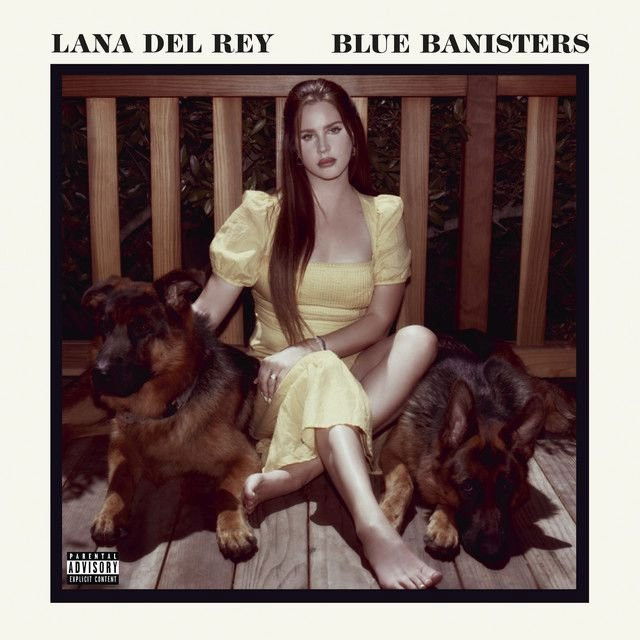
Living Legend by Lana Del Rey
The meaning of Living Legend Lana Del Rey comes down to admiration, regret, and late recognition. The song feels like a private letter turned into a ballad. Instead of celebrating celebrity, it honors a person whose presence felt mythic in a personal way.
"Living Legend" - Lana Del Rey
Blackbirds will sing in the same key
As you play in the shoes that I bought you
Loading lyrics...
Unable to load lyrics
We're unable to display the lyrics at this time. Please try again later.
Factually, “Living Legend” appeared on Blue Banisters and was written in 2013 by Lana Del Rey and Barrie-James O’Neill, according to album-credit summaries and fan-documented release history from the Lana Del Rey Wiki. That older writing date matters because the song sounds like a memory preserved rather than a fresh confession.
A Love Letter to Someone Who Became Myth
At the center of the song is a simple emotional move: the narrator finally tells someone what they never said before. The repeated idea of living legend
turns an ordinary relationship into something almost sacred.
Interpretation: the song is not mainly about romance in a narrow sense. It can be heard as a tribute to a muse, a friend, a past lover, or even a person who gave the narrator a sense of identity. The key feeling is reverence mixed with guilt that the truth came late.
The line about sweet baby Jane
points listeners toward a real person. Research around the song notes that Del Rey posted in 2013 that her friend Jane Powers was the main inspiration. That does not lock the song into one meaning, but it strongly supports the idea that this is a personal dedication rather than a fictional portrait.
Watch the official Living Legend
music video
The Chorus Turns Awe Into Confession
What makes the song hit so hard is how the chorus shifts from observation to confession. First, the narrator watches the other person’s energy and movement. Then comes the emotional reveal: send me straight to heaven
and, finally, the title phrase.
That structure matters. The song says admiration is not abstract. It lives in gesture, style, motion, and aura. The person being addressed does not just inspire thought; they change the narrator’s physical and spiritual state.
Interpretation: calling someone a legend here does not mean they are famous. It means they are unforgettable while still alive in the speaker’s emotional world. They have become folklore inside one person’s memory.
Images of Art, Scene, and Restless Identity
The verses place this tribute inside a very Lana Del Rey landscape: blackbirds, Brooklyn, old downtown-art references, and weather-heavy emotion. The image blackbirds will sing
suggests harmony and fate, as if nature itself falls into tune around the person being praised.
Then there is the song’s social world. References to hipsters, Sin-é, and Brooklyn create a bohemian scene, but the person in the song seems above scene-making. They do not care about status or name recognition. That contrast is important: the narrator moves through image-conscious spaces, while the “living legend” stays untouched by them.
The line about being a monsoon
presents the narrator as overwhelming, messy, and hard to contain. That gives the song tension. This is not a clean tribute from a calm speaker. It is praise from someone who knows they brought storm clouds into the relationship.
The Darkest Lines Reveal the Real Conflict
Midway through, the song becomes more exposed. The imagery of summer, weapons, and animals sounds cinematic, but it leads to something more vulnerable: the speaker says they never meant to be bad or unwell.
Right between Heaven and Hell
And I'm tired of it
This is the article’s one brief multi-line quote because it captures the emotional hinge of the track. The speaker is not just admiring someone else; they are also confessing their own instability and fatigue.
Interpretation: this section suggests the “living legend” may be someone who saw the narrator clearly even during a chaotic period. The tribute becomes more moving because it comes from a place of self-knowledge. They know they were difficult. They know they were living on the edge. And they still want to honor the person who mattered.
Why the Sound Feels So Haunted
The production deepens the song’s meaning. Research credits Del Rey and Barrie-James O’Neill with writing and production, with O’Neill also contributing guitar and piano. The arrangement is sparse and slow, letting the words sit in open space instead of rushing them.
That restraint matters. A bigger, brighter production would make the song feel triumphant. Instead, the quiet piano and soft vocal delivery make it feel reflective, almost ghostly. According to fan-documented notes from an Instagram livestream, Del Rey said the vocal bridge was meant to imitate a saxophone. That detail helps explain why the bridge sounds both human and instrumental, like emotion breaking into pure tone.
The result is one of the most intimate moments on Blue Banisters. The voice does not just sing the feeling; it seems to ache through it.
A Few Strong Ways to Read It
There is more than one solid reading of the meaning of Living Legend Lana Del Rey:
- A tribute to Jane Powers. This is the most grounded reading, supported by documented background.
- A song about belated gratitude. The key pain is not loss alone, but failing to say the right thing in time.
- A self-portrait through another person. By describing someone else as legendary, the narrator also reveals their own hunger for grace, stability, and meaning.
All three fit because the song is built from memory, admiration, and emotional contradiction.
Why “Living Legend” Still Lingers
What makes “Living Legend” special is its humility. The narrator does not ask to be understood first. They stop and honor someone else. In Lana Del Rey’s catalog, that makes the song stand out.
It is tender, a little haunted, and deeply human. The song suggests that some people become legends not through public fame, but through the permanent shape they leave on another person’s life.
Disclaimer: This article offers interpretation based on the song’s lyrics, known background, and production context. Like most art, “Living Legend” can support multiple valid readings.








