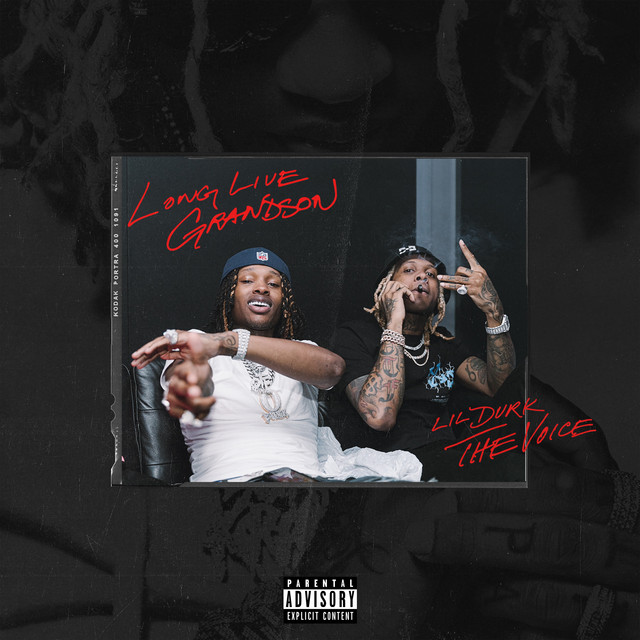
Refugee by Lil Durk
They call it pain music for a reason. The meaning of Refugee Lil Durk lives in the tension between arrival and escape—between money and mourning. Durk stacks images of wealth next to fear and grief, then asks what safety even means when danger follows fame.
"Refugee" - Lil Durk
(2Ezzy on some other shit)
I'm poppin' a seal in Barney's
Loading lyrics...
Unable to load lyrics
We're unable to display the lyrics at this time. Please try again later.
What the Song Is Really Saying
At heart, this is a survival diary. Durk sketches a climb from vacant apartments
to high-end stores and exotic cars, but the mood never relaxes. The past stays close.
He keeps protection nearby—rolling with those he trusts and bracing for threats—because he’s still with the killers regardless
. The line isn’t a boast; it’s context for why paranoia feels normal. By the end, the song reads as both flex and warning: wealth can amplify risk rather than erase it.
Watch the official Refugee
music video
The Voice Behind the Lines
Durk speaks in first person, a confessional that doubles as a message to peers who know these codes. The ankle monitor detail—ankle monitor goin' dead
—places him inside the legal system even as success grows. It’s a reminder that visibility brings scrutiny.
He also turns the camera outward. When he says I hate that he died alone
, it lands as survivor’s guilt. The drugs and retaliation that swirl around him aren’t abstract; they take names and faces. The narrator feels both responsible and powerless, a mix that fuels the song’s unrest.
A Timeline of Pressure
- Early struggle to fast money: the leap from scarcity to designer life happens fast, but the mindset lags behind.
- Constant threat assessment: guns, crews, and motion become routine protection.
- Addiction and loss: pills and syrup surface as coping tools, while friends fade.
- Legal traps: monitoring, court worries, and the fear of being judged by people who don’t know the streets.
- Retaliation logic: the thirst for payback—
we gettin' revenge, it's glorious
—keeps the cycle spinning.
Each beat turns the title into a frame: a refugee keeps moving because the ground never feels stable.
Why the Refrain Cuts Deep
The song’s most chilling question—How you get killed when you partyin'?
—pivots the track from flash to fracture. Interpretation: even joy zones aren’t safe for people with histories and enemies. Clubs and parties, usually signs of success, become sites of ambush. The hook isn’t sung like a big chorus, but it works like one, echoing after the verse rush.
Motifs of Wealth, War, and Numbness
Durk stacks symbols like snapshots:
- Wealth as armor and target: diamonds, designer, and a super-SUV can read as trophies—but also bullseyes.
- Drugs as coping: codeine cups and Percocets blur pain and memory, yet the cost is human. That’s where
I hate that he died alone
lands hardest. - Law as maze: the jury, the monitor, and the ever-present “jakes” make freedom feel conditional.
- Revenge as religion: the line about glory in payback captures how cycles of harm, once normalized, feel righteous in the moment.
Interpretation: these motifs show someone who “made it” but can’t stand still. Refugees move because staying put gets you caught—by grief, by cases, by rivals.
How the Beat Carries the Burden
The production, tagged by Lamb and 2Ezzy, leans dark and spacious. Expect moody keys or synths, sliding 808s, and razor hi-hats, with Durk’s melodic rasp up front. That contrast—polished mix, bruised delivery—turns flex bars into testimony.
Durk bends melody like a siren—soft enough to feel, sharp enough to warn. Ad-libs stack in the margins, adding urgency. When he clips phrases or lets a word hang, the silence works like a side-eye. It’s music that moves and aches at once.
Reading the Title, Two Ways
- Interpretation 1: Street displacement. The narrator is a “refugee” from neighborhoods shaped by violence, predatory pill markets, and thin safety nets. He escaped, but he can’t return.
- Interpretation 2: Fame exile. Success pushes him outside normal life. Security details, court dates, and restraint orders make him a stranger in rooms he paid to enter.
Both readings are true at once. The title invites empathy without asking for pity.
Takeaway for Listeners
The meaning of Refugee Lil Durk isn’t a single moral. It’s a ledger. On one side: cars, diamonds, momentum. On the other: funerals, paranoia, and the urge to strike back. The sum is a portrait of a man who keeps moving because stopping feels fatal.
Disclaimer: Song meanings are interpretations; listeners may reasonably hear different nuances depending on personal context and experience.







