Why 'Working for the Weekend' Still Hits
The meaning of Working for the Weekend Loverboy starts with a simple truth: many people spend the week pushing through routine, stress, and expectations while hoping for a few hours of freedom. Loverboy turned that feeling into one of the most durable rock-radio anthems of the early 1980s.
"Working for the Weekend" - Loverboy
Everyone's looking at you, oh
Everyone's wondering, will you come out tonight
Loading lyrics...
Unable to load lyrics
We're unable to display the lyrics at this time. Please try again later.
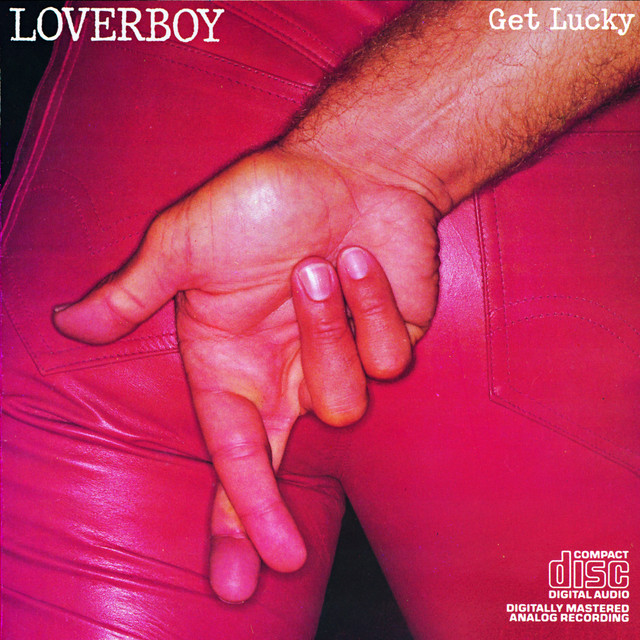
Released in 1981 on Get Lucky, the song became one of the band’s signature hits, reaching No. 29 on the US Billboard Hot 100 and No. 2 on the Rock Top Tracks chart, according to Songfacts and Wikipedia. Even before any deeper reading, its staying power comes from how clearly it names a familiar cycle: work now, live later.
More Than a Party Hook
On the surface, the song sounds like pure nightlife energy. The chorus centers on working for the weekend
, and that line is easy to hear as a call to dance, flirt, and forget the office for a while.
But the verses give the song a little more tension than a basic party track. They describe people watching, waiting, and hoping someone will show up and deliver. Phrases like everyone's watching
and come through
suggest social pressure as much as excitement. This is not just about free time. It is also about being seen, judged, and expected to perform.
Interpretation: that tension is why the song feels bigger than its premise. The weekend is not only fun. It is also relief from pressure, plus a chance to become a more exciting version of oneself.
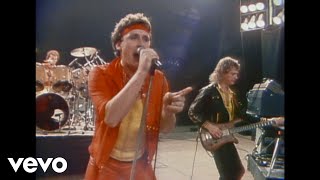
Watch the official Working for the Weekend
music video
Where the Idea Came From
The song’s origin story supports that reading. Songwriter Paul Dean said the idea began when he noticed a normally crowded area sitting empty on a Wednesday afternoon because everyone was at work. In his recollection to Songfacts, that image led to the first concept, and Mike Reno helped shift it into the stronger title.
That background matters. It shows the song was born from observation, not just from a wish to write a party hit. They were writing about the rhythm of modern life: public spaces go quiet during work hours, then come alive when people are finally off the clock.
How the Lyrics Build Their World
The opening lines create a crowd scene. Everyone is looking, wondering, and waiting. The repeated use of “everyone” makes the song feel communal right away.
Instead of following a detailed plot, the lyrics stack shared emotions:
- social attention
- anticipation
- romantic hope
- emotional risk
- the wish for another shot
When the chorus arrives with little romance
and second chance
, it expands the song beyond work frustration. The weekend becomes a symbol for possibility. It is when people might fall in love, repair mistakes, or try again.
That is one reason the song has lasted. It speaks to workers, but it also speaks to anyone who feels pinned down by routine and wants life to open back up.
The Chorus Turns Routine Into Release
The chorus is so effective because it takes a private feeling and makes it collective. Nobody in the song says “I” am exhausted and desperate for escape. Instead, the hook insists that everybody feels it.
Everybody's working for the weekend
Everybody wants a little romance
That brief passage captures the song’s emotional engine. Work is presented as shared effort, while romance stands in for reward, pleasure, and human connection.
Interpretation: the phrase about going off the deep end
suggests that by the time the weekend arrives, people are ready to overcorrect. After days of structure, they want intensity. The song understands that swing from control to release.
Why the Sound Sells the Meaning
Loverboy’s arrangement is a huge part of the message. Sources like Songfacts describe the track as a mix of slick guitars, New Wave-style synths, and a big hook. That blend matters because it mirrors the song’s theme: mechanical routine colliding with emotional release.
The keyboards feel bright and urgent. The drums push hard without sounding loose. The guitar adds a sharp, arena-rock punch. Together, they create forward motion, as if the song itself is racing toward Friday night.
According to Wikipedia, the track was produced by Bruce Fairbairn and Paul Dean, and recorded at Mushroom Studios in Vancouver. That polished early-80s production helps the song feel clean, tight, and restless. It sounds like pressure transformed into momentum.
Why It Became a Cultural Staple
Paul Dean also recalled that when the band opened a later set with the song in a bar, the dance floor suddenly filled up, a story he shared with Songfacts. That immediate reaction explains a lot. People recognized themselves in it at once.
Over time, the track became shorthand for weekend excitement in movies, TV, and comedy. Its use in pop culture has kept reinforcing the same core idea: this is the sound of release after obligation.
A Final Reading of the Song
The meaning of Working for the Weekend Loverboy is not complicated, but it is sharper than it first appears. They present the weekend as freedom, romance, risk, and emotional reset. The lyrics describe a crowd chasing relief, while the music makes that chase feel thrilling.
At its heart, the song says that work may organize the week, but hope organizes the spirit. For many listeners, that is exactly why it still works.
Interpretation disclaimer: this article offers a close reading of the song’s themes and imagery. Some meanings are interpretive rather than confirmed statements from the band.








