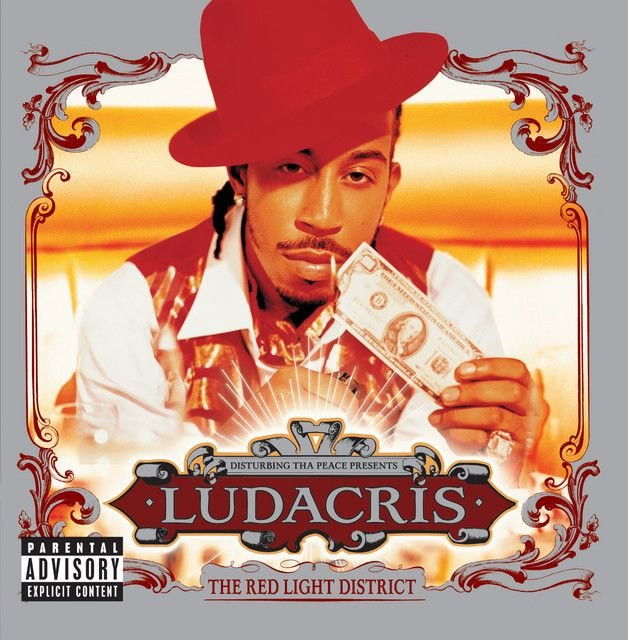
Get Back by Ludacris
Loud, funny, and threatening at once, this hit turns personal space into a full rap spectacle.
"Get Back" - Ludacris
Provided by LyricFindHeads up! Heads up!
Here's another one!
And a, and another oneLoading...Loading lyrics...
Unable to load lyrics
We're unable to display the lyrics at this time. Please try again later.
Why the meaning of Get Back Ludacris still hits
The meaning of Get Back Ludacris starts with a simple idea: someone is too close, too loud, and too comfortable. Ludacris turns that irritation into a warning record built on swagger, comic exaggeration, and pure force.
Released as the lead single from The Red Light District in 2004, the song reached No. 13 on the Billboard Hot 100 and became one of the biggest records from that era of his career. It was also tied to a Spike Jonze-directed video and later gained extra life through remixes and film placements. Those facts are widely documented by sources including Wikipedia and Songfacts.
What matters for the song itself is how Ludacris makes anger feel entertaining. He does not just say back off. He performs that command with humor, threats, and larger-than-life confidence.
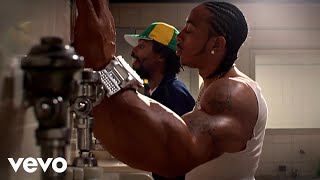
Watch the official Get Back
music video
A warning song dressed as a club anthem
On the surface, the track is about confrontation. The hook is blunt: Get back
. The target is someone talking too much, getting in his space, and acting familiar when they should not.
But the song is more than a fight fantasy. It captures the feeling of being crowded by people who want attention, access, or a reaction. When he says you don't know me like that
, the line pushes beyond physical distance. It is also about social distance.
That makes the song work in two settings at once:
- as a club record built for shouting along
- as a statement about respect and boundaries
Interpretation: This is why the hook feels so memorable. It is not only aggressive. It is relatable. Many listeners know the feeling of someone getting too close, talking too much, or acting entitled to their energy.
The speaker’s attitude: menace with a grin
One reason the song lasts is Ludacris’ tone. He sounds threatening, but never flat. His style here mixes comedy, rhythm, and attack. Songfacts describes this side of him as “playful menace,” and that phrase fits.
He stacks threats with punch lines and boasts. A phrase like I ain't playing around
sounds serious, but the song’s bounce keeps it from becoming grim. Even when the verses talk tough, the delivery has theatrical flair.
That balance matters. If the track were only dark, it might feel one-note. If it were only funny, it might lose impact. Instead, Ludacris sits in the middle: dangerous, exaggerated, and in control.
How the verses build the message
The verses widen the picture beyond one annoying person. They move through status, crew loyalty, reputation, and the pressure that comes with success. He brags about money, records, and mobility, then folds those boasts back into the warning.
A short phrase like still stacking plaques
shows that success is part of the setup. He is not just random guy in a club. He is a star protecting his space. That matters because fame can attract fake closeness. People speak as if they know him, but the chorus rejects that idea.
There is also a recurring sense that one bad interaction could turn physical. The song exaggerates that possibility for effect. Rather than narrating one realistic incident, it piles on images of retaliation until the whole thing feels cartoonishly intense.
I came
I saw
I hit 'em
That chant condenses the song’s logic: arrival, challenge, response. It is simple, repetitive, and almost military in rhythm. Even without long storytelling, it creates momentum.
Sound first, then meaning
The production is a big reason the song lands so hard. Produced by The Medicine Men and Tic Toc, the beat is heavy, clean, and built around blunt drum impact. Instead of a soft groove, it hits like a warning siren in rhythm form.
The chant elements and call-and-response structure make the track feel public. This is not private anger. It is anger performed in front of a crowd. The beat leaves room for Ludacris’ sharp diction, which helps every threat sound precise.
Interpretation: The music turns personal annoyance into spectacle. A quieter beat would make the song feel more internal. This one makes it feel like an event.
That helps explain why the song crossed into so many visual spaces, including remixes with rock energy and later uses in movies and live performances. Its aggression is clean and easy to stage.
Fame, masculinity, and control
The song also reflects a specific rap persona. Ludacris was in a major commercial run in the mid-2000s, and Get Back sounds like someone defending rank. He projects strength before anyone can question it.
That performance ties into masculine codes common in rap: never look weak, answer disrespect quickly, and control the room. The song pushes those ideas to an extreme. Yet it also hints at the strain underneath. In one moment, he suggests he would rather relax and enjoy the night than deal with noise and provocation.
That detail is small but useful. It shows the conflict at the heart of the record. He wants fun, but he expects challenge. He wants space, but he lives in public.
Why the hook became the legacy
The hook is what most listeners remember because it is the whole song in miniature. Why you all in my ear?
frames the problem. Get back
gives the answer. You don't know me like that
explains the principle.
Together, those lines create a lasting slogan about distance and respect. That is the real reason the song endured beyond its chart run. It gave people a vivid phrase for a familiar social feeling.
Final takeaway
The meaning of Get Back Ludacris is not subtle, but it is more layered than a simple threat record. It is about personal space, celebrity pressure, dominance, and the performance of toughness.
Ludacris sells all of that through a booming beat, comic exaggeration, and one of rap’s clearest warning hooks. Interpretation: listeners can hear it as a club banger, a fame-defense anthem, or both.
Disclaimer: Song meaning is interpretive. This reading separates documented facts about the song’s release and production from critical interpretation of its themes and lyrics.








