Why 'Gunshot' Feels Like a Breakup You Can't Undo
The heart of the song
The meaning of Gunshot Lykke Li centers on irreversible heartbreak. This is not just a sad love song about missing someone. It is about the moment after damage has been done, when love, guilt, and self-blame all hit at once.
"Gunshot" - Lykke Li
Like a cancer for it's prey
Shot an arrow, in your harbor
Loading lyrics...
Unable to load lyrics
We're unable to display the lyrics at this time. Please try again later.
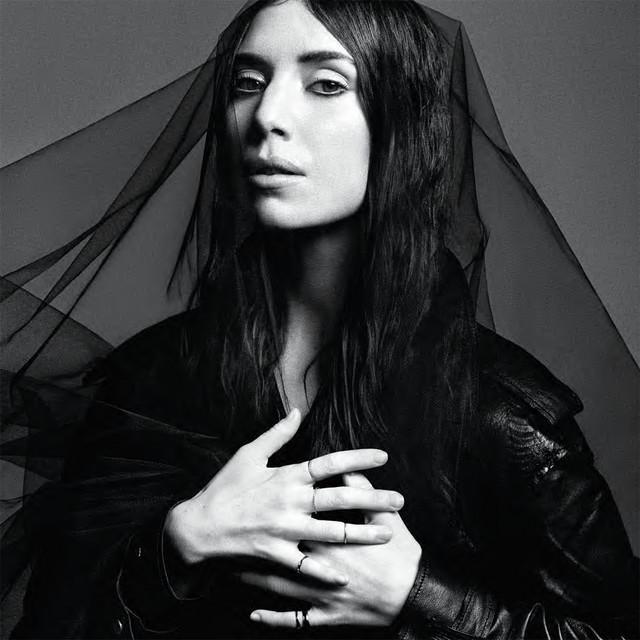
Lykke Li released “Gunshot” on I Never Learn in 2014, an album widely understood as a breakup record. In a brief comment reported by Songfacts, they said the song came from a place of hurt and the feeling that some things cannot be taken back. That context matters, because the lyric does not describe a clean ending. It describes emotional injury that keeps happening in the mind.
From the opening, the song mixes desire with danger. The speaker wants what harms them, calling it your poison
and also longing for love. That contradiction is the key to the whole track: they know the bond is destructive, but they still crave it.

Watch the official Gunshot
music video
A breakup told like a wound
Why the title image matters
The title gives the song its central metaphor. A gunshot is sudden, violent, and impossible to reverse. When the chorus says Gunshot, I can't take it back
, the idea is bigger than one argument. It suggests a fatal mistake in a relationship, something said or done that changed everything.
This is where the song becomes more than simple longing. The wound is both emotional and moral. The speaker is not only grieving loss; they seem to believe they helped cause it.
My heart cracked
really loved you bad
Those lines are short, but they carry two linked ideas: deep love and deep damage. The love was real, yet it may have been unhealthy, reckless, or impossible to sustain.
Regret becomes physical
One striking thing about “Gunshot” is how often feelings are described as bodily pain. The shot goes through the head, the heart cracks, and the ache stays awake. In plain terms, the song treats heartbreak like trauma stored in the body.
That choice makes the sadness feel immediate. Instead of calmly reflecting on the past, the speaker sounds as if they are reliving it in real time. The pain is not over because memory keeps firing it again.
The speaker is both victim and cause
A major strength of the writing is that it refuses to make the speaker fully innocent. They describe themselves through shifting images: siren, ivy, nobody. Each one adds something to the portrait.
A siren can lure people in. Ivy can cling and overgrow. And I'm nobody
suggests shame or emotional collapse. Together, those images imply a person who feels destructive, needy, and emptied out at once.
Interpretation: this may be why the song feels so intense. The speaker is caught between blaming the other person and blaming themselves. That tension gives the lyric its sting. They were hurt, but they also think they played a role in the hurt.
Water, arrows, and rain: symbols inside the wreckage
The song does more than repeat the gunshot idea. It builds a world of unstable symbols around it.
- Poison suggests addictive love.
- Arrow points to an attack that may have started the damage.
- Harbor and ocean imply safety, surrender, and overwhelm at the same time.
- Rain gives the relationship a cold, waiting sadness.
When the speaker asks to be laid down in the ocean and carried with their burden, they seem exhausted. They want rescue, but they also want release. Water in this song can mean comfort, drowning, or both.
Interpretation: the changing images show emotional confusion. The speaker cannot decide whether love is medicine, weapon, shelter, or storm. That confusion is exactly what fresh heartbreak often feels like.
How the sound carries the meaning
“Gunshot” would not hit as hard without its production. The song was written by Lykke Li, Björn Yttling, and Rick Nowels, and its arrangement supports the lyric’s mix of grandeur and collapse. The drums feel heavy and marching, while the melody stretches upward like a cry.
There is also a dramatic contrast in the recording. The verses feel tense and intimate, then the chorus opens wide, almost like pain bursting out of the chest. Their voice helps sell this shift. They do not sing the song as a neat confession. They sound cracked, breathless, and urgent.
That scale fits I Never Learn, a 2014 album often described as cinematic and emotionally raw. “Gunshot” turns private regret into something huge, almost elemental.
Why the song connected with so many listeners
Part of the song’s appeal is how simple its emotional truth is. Many breakup songs ask, “Why did this end?” This one asks a harder question: what if the end cannot be undone?
That idea reached beyond the album. “Gunshot” also gained visibility through a Peugeot ad campaign in 2014, and Songfacts reports it became the most Shazamed song used in a UK advert that year. Even outside the album’s story, listeners recognized the feeling immediately.
The music video, directed by Fleur & Manu, pushes that same idea visually. Their movement looks almost like a body reacting to impact, which mirrors the song’s image of love as a wound.
Final reading: love after the point of repair
The best way to read “Gunshot” is as a song about aftermath. It is about wanting someone back while knowing the past cannot be corrected. The speaker aches, remembers, and reaches outward, but every line circles the same hard fact: some acts of love and harm happen together, and some losses stay final.
That is the lasting meaning of Gunshot Lykke Li. It turns regret into a physical event, then lets the listener sit inside the echo.
Disclaimer: This interpretation is based on the lyrics, recorded performance, and publicly available artist comments. As with most songs, listeners may hear different meanings in it.








