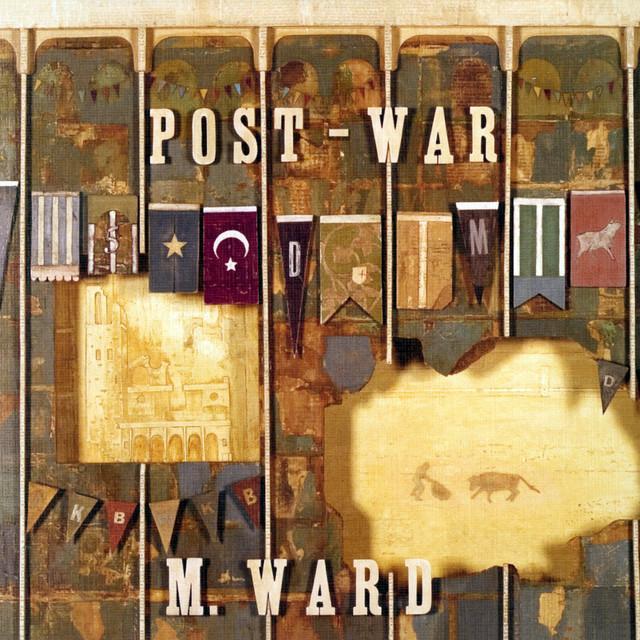
Chinese Translation by M. Ward
The meaning of Chinese Translation M. Ward comes from a simple but powerful setup: a traveler goes looking for answers and finds that wisdom is not neat, final, or easy. Instead of solving life, the song accepts its hurts and mysteries. That is part of why it has stayed so affecting for listeners.
"Chinese Translation" - M. Ward
Climbed up a tall, tall mountain
I met a old, old man
Loading lyrics...
Unable to load lyrics
We're unable to display the lyrics at this time. Please try again later.
M. Ward released the song on Post-War, the 2006 album that helped define his warm, reflective folk-rock style. The record is widely noted for its blend of acoustic intimacy and old-school pop touches, a sound that fits the song’s thoughtful mood.
A Journey That Feels Like an Inner Search
On the surface, the song sounds like a fable. The narrator crosses a wild, wild sea
and climbs a tall, tall mountain
before meeting an old man under a tree. That storybook framing matters because it turns private pain into a quest.
Interpretation: the travel images likely represent emotional effort, not just movement through space. The sea suggests uncertainty. The mountain suggests difficulty. By the time the narrator reaches the old man, they have already done the hard work of facing their own confusion.
The old man offers only three questions because his time is short. That detail gives the scene urgency. Life does not allow endless clarity, so the song asks what really matters when someone gets only a few chances to speak.
Watch the official Chinese Translation
music video
Why the Three Questions Hit So Hard
The chorus contains the heart of the song. The narrator does not ask for money, success, or status. They ask how to live with heartbreak, how to remain good, and why life feels brief while suffering feels stretched out.
Those questions make the meaning of Chinese Translation M. Ward feel universal. Almost anyone can hear themselves in them. The song is not about one breakup or one mistake alone; it is about the larger problem of being human and trying to stay hopeful.
What do you dowith the pieces of a broken heartwhy is the night so long
Even in this small part, the song balances emotional pain with moral worry. The narrator is not only hurt. They are trying to remain in the light, which suggests integrity, grace, or spiritual steadiness.
The Old Man’s Answer Is More Honest Than Magical
After the questions, listeners might expect deep advice. Instead, the old man admits he was once a young fool like you
. He says he was afraid to do what he knew he had to do, and he escaped instead.
That confession is the key turn in the song. Rather than speaking like a perfect sage, the old man speaks like someone shaped by regret. His wisdom comes from failure, not distance from it.
Interpretation: this may be the song’s real lesson. There may be no clean “translation” for suffering. What can be passed down is recognition: older people often carry the same fears younger people do, only with more hindsight.
That makes the title intriguing. “Chinese Translation” suggests a message being passed through distance, language, or interpretation. The song itself acts like a translated truth: imperfect, indirect, but still meaningful.
The Repetition Deepens the Theme
The later verse repeats the opening journey with small changes, including the shift from a willow to a sapling tree. That repeated structure matters. The song circles back on itself, as if the search for meaning never fully ends.
The image of a sapling where a larger tree once stood may hint at renewal. Even if the narrator does not receive a final answer, they may still leave with a younger form of wisdom—fragile, growing, and not yet complete.
This looping design also reflects the song’s emotional truth. People ask the same large questions at different ages. They just hear them differently each time.
How the Sound Carries the Meaning
M. Ward’s production style often favors textured guitars, soft percussion, and a vintage warmth associated with indie folk and alternative singer-songwriter records. In this song, that understated sound helps the words feel intimate rather than theatrical.
The melody moves gently, which keeps the existential questions from becoming heavy-handed. Instead, they feel conversational, almost like a campfire story or a private memory. Ward’s voice also helps; he often sings with a weathered calm that suggests experience without preaching.
That matters because a louder or more dramatic arrangement might have made the song feel grandly philosophical. Here, the modest delivery makes the message more believable. The listener hears a person thinking out loud, not a lecturer delivering a system.
Two Strong Ways to Read the Song
A spiritual parable
One reading is that the narrator seeks a guide figure, someone close to a monk, elder, or prophet. In that version, the song asks timeless spiritual questions about suffering, virtue, and mortality.
A conversation with the self
Another reading is psychological. The old man may be an older version of the narrator, or even a voice of conscience. In this view, the journey is inward, and the song becomes a meditation on how people inherit their own fears over time.
Both readings work because the writing stays open without becoming vague.
Why the Song Still Connects
The meaning of Chinese Translation M. Ward lasts because it does not pretend life can be solved. It offers something smaller and truer: people suffer, people avoid hard truths, and people keep searching anyway. That honesty gives the song its comfort.
For many listeners, the beauty lies in the fact that the answer is not a fix. It is recognition, humility, and the faint hope that understanding can still grow.
Disclaimer: This interpretation is based on the song’s lyrics, performance, and known artist context. As with most great songs, meanings can vary from listener to listener.







