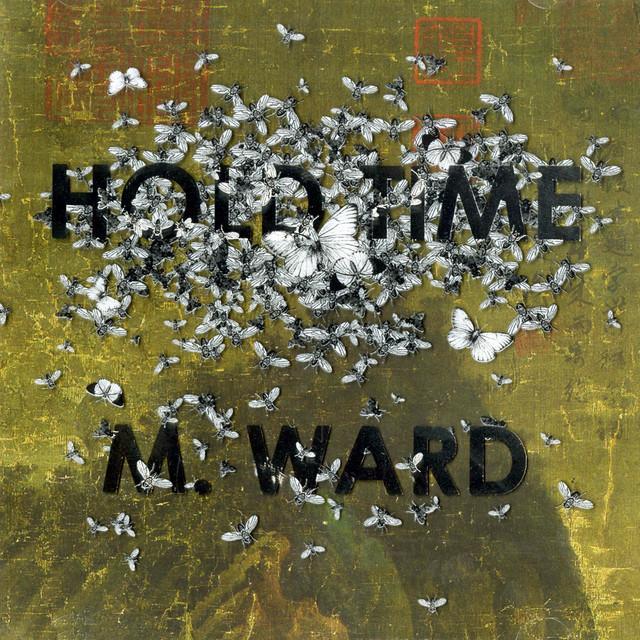
Rave On by M. Ward
The meaning of Rave On M. Ward begins with a simple idea: love can feel so strong that it turns ordinary moments into a rush. M. Ward’s take on this well-known song keeps that central feeling, but their style gives it a softer, hazier emotional color. Instead of sounding only like young excitement, this version can also feel tender and a little fragile.
"Rave On" - M. Ward
Make me want to be with you
You rave on, it's a crazy feelin'
Loading lyrics...
Unable to load lyrics
We're unable to display the lyrics at this time. Please try again later.
The song itself was written by Bill Tilghman, Norman Petty, and Sunny West, and it is most famously tied to Buddy Holly’s 1958 recording. Those writing credits are widely documented in standard discographies and song databases. M. Ward later interpreted the song through their own indie-folk and alternative lens, which matters when discussing meaning because arrangement often changes how listeners hear familiar words.
A Love Song Built From Small Moments
At the lyric level, the song is direct. The speaker is not describing a grand story or complicated breakup. They are reacting to affection in real time. Small gestures, like being held close or hearing words of devotion, carry huge emotional weight.
That is why the opening idea matters so much. When the speaker notices the little things
, the song suggests that love is not proven by dramatic speeches. It lives in everyday behavior. A dance, a kiss goodnight, or a few loving words become signs that this bond is real.
In plain terms, the narrator is swept up by romance. The repeated phrase crazy feeling
does not sound negative here. It points to the dizzy, unstable thrill of being deeply into someone. They are not in control of the feeling, and that loss of control is part of the appeal.

Watch the official Rave On
music video
The Chorus Turns Joy Into Need
The chorus is catchy, but it also reveals something more vulnerable. On the surface, the repeated rave on
sounds like celebration. It feels bright, upbeat, and full of motion.
Interpretation: In this version, that phrase also sounds like a plea. The speaker does not just want love to exist. They want it repeated back to them. They want proof that the connection will continue.
That deeper need becomes clearer when the lyrics shift toward fear of isolation. The line about not being lonely changes the emotional balance. Suddenly, this is not only a happy love song. It is also a song about reassurance.
Tell me not to be lonely
Tell me, you love me only
Those short lines sharpen the song’s emotional stakes. The speaker wants comfort, but they also want exclusivity. They are not just thrilled by love; they are depending on it.
Who Is Speaking, and What Do They Want?
The narrator speaks in the first person, but the emotional focus stays on the beloved. Nearly every detail is about what that person says and does. That creates a one-directional intensity, as if the singer is orbiting around someone who has become the center of their emotional world.
The phrase got me reelin'
is key. It suggests being thrown off balance, almost like being physically spun around. Love here is not calm or measured. It is overwhelming.
Interpretation: M. Ward’s performance style can make that feeling sound less like teenage shouting and more like quiet amazement. That change matters. In a more polished or forceful rock version, the song can feel like pure rush. In Ward’s hands, it may also sound like someone half-lost in the spell of affection.
How the Sound Shapes the Meaning
Any reading of the meaning of Rave On M. Ward should include the arrangement. M. Ward is known for textured guitars, vintage tones, and performances that often blend intimacy with old-record warmth. Those traits are central to their broader catalog and public reputation as an artist working with folk, rock, and lo-fi traditions.
That sonic setting can change how listeners hear these words. A crisp, high-energy rockabilly approach makes the song feel urgent and youthful. A gentler alternative reading can bring out the sweetness and the uncertainty underneath.
Instead of hearing only excitement, listeners may notice longing. Instead of hearing only confidence, they may hear someone hoping the feeling is mutual. Production does not rewrite the lyrics, but it can spotlight different emotions hidden inside them.
Why Repetition Matters So Much
The song repeats its main ideas again and again, and that is not a weakness. It mirrors how infatuation works. When someone is newly in love, they often circle the same thoughts: how the other person moves, what they said, whether they really mean it.
This repetition creates a trance-like quality. The speaker keeps returning to the same emotional center because they cannot move past it. They are caught in wonder.
Interpretation: In M. Ward’s version, repetition may feel even more hypnotic. The listener is invited to sit inside the feeling rather than rush through the story.
The Bigger Meaning Behind the Song
So what is the final meaning of Rave On M. Ward? It is a song about the thrill of being chosen and the fear that the feeling could disappear. Love is shown as both joy and dependence. The beloved’s smallest actions seem powerful enough to steady or unsettle the speaker’s whole world.
That mix is why the song lasts. It is simple, but not shallow. Beneath its catchy hook is a very human wish: to be loved, reassured, and kept close.
M. Ward’s interpretation helps that emotional blend stand out. Their style can make the song feel less like a period piece and more like a timeless moment of romantic vulnerability.
Disclaimer: This interpretation is based on the lyrics, songwriting context, and the known style of M. Ward. As with any song, listeners may hear different meanings.







