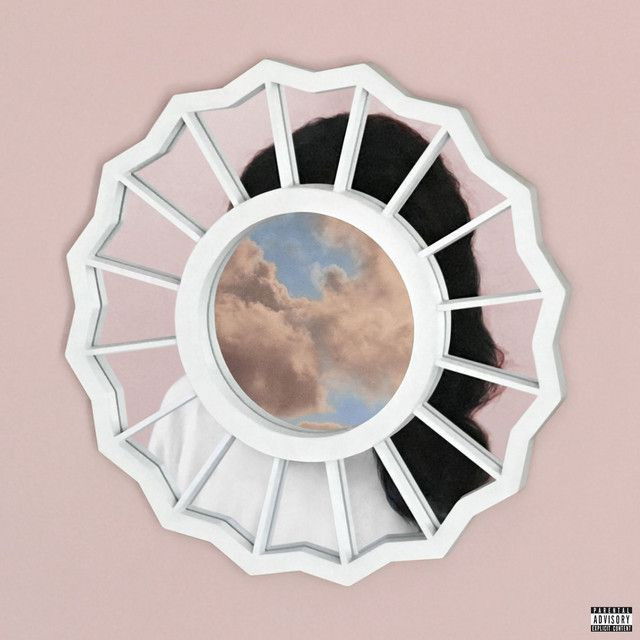
Cinderella by Mac Miller, Ty Dolla $ign
The meaning of Cinderella Mac Miller, Ty Dolla $ign starts with desire, but it does not stay there. On the surface, the song is about a long-awaited sexual encounter, framed through a fairy-tale nickname and a night that feels almost unreal. But as the track keeps unfolding, they reveal something more complicated: lust turning into attachment, fantasy colliding with time, and confidence slipping into vulnerability.
"Cinderella" - Mac Miller, Ty Dolla $ign
Oh no, no, no, no, no, no, no, no, no
$ign (ayy)
Loading lyrics...
Unable to load lyrics
We're unable to display the lyrics at this time. Please try again later.
Mac Miller released “Cinderella” on The Divine Feminine in 2016, an album built around intimacy, romance, and emotional openness. That album context matters. Even when this song is blunt, it still belongs to a project that studies love from several angles, not just conquest.
Where the Fantasy Begins
Early on, the song presents a speaker who has built up this moment in their head for a long time. The repeated waiting creates a sense of obsession, anticipation, and almost cinematic payoff. When they call the woman Cinderella
, the name is not just playful. It brings in the idea of a magical night with a deadline.
That deadline shapes the whole song. The references to going home and running out of time make the encounter feel temporary, even while the speaker wants it to last. In that way, the fairy-tale image is slightly warped. This is not a clean Disney-style romance. It is a grown, messy version where desire and urgency blur together.
Watch the official Cinderella
music video
More Than Seduction, Less Than Security
A lot of the verses are direct and sexual. Mac Miller uses brash lines, jokes, and exaggerated confidence to show a speaker trying to control the mood. They promise luxury, pleasure, and a full-night plan. That swagger fits the song’s first half, where the energy is physical and performative.
Still, beneath that surface, there is insecurity. When the speaker says they have been waitin' all year
, it suggests more than casual attraction. It sounds fixated. They are not just enjoying a moment; they are investing meaning into it.
Interpretation: That tension is key to the song. The speaker tries to sound fully in command, but the repeated longing suggests they may already be emotionally caught.
The Chorus Turns Time Into Pressure
The chorus is catchy because it keeps returning to the same emotional engine: desire mixed with a ticking clock. The phrase get your ass home
may sound funny or provocative, but it also reinforces limits. Someone else’s rules, family expectations, and the passing night all press in on the fantasy.
That is where the Cinderella image works best. In the old story, midnight ends the dream. Here, the relationship may be real in the moment, but it still feels borrowed. They know the night cannot stay frozen.
How the Story Changes Midway
One of the most interesting things about the song is how its emotional center shifts. The earlier verses focus on the chase and the hookup. Later, the writing becomes softer and more reflective.
Near the end, the speaker admits that their days are changing and that they feel spiritually lighter, even hinting at redemption. That is a sharp contrast with the earlier bragging. The song starts in appetite and ends closer to confession.
A brief passage captures that pivot:
I've been meanin' to tell you
We look better, every day
Those lines are simple, but they matter. Instead of describing the body or the room, the speaker is now describing a bond. They are thinking in terms of “we,” not just the thrill of the night.
Sound and Production Tell the Same Story
The production helps explain the song’s meaning. “Cinderella” stretches past typical radio length, letting the mood develop slowly. Its groove is warm, hazy, and patient, with a plush rhythm section and dreamlike vocals that fit the album’s neo-soul and alternative R&B style.
Ty Dolla $ign is crucial here. His vocal style smooths out the song’s harder edges, making the hook feel seductive rather than harsh. Mac Miller, meanwhile, moves between rapping and a more melodic delivery, which mirrors the shift from raw lust to romantic vulnerability.
Interpretation: The music makes the song feel like a long night turning into early morning. That sonic drift supports the lyrical change from fantasy to emotional exposure.
A Fairy Tale With Adult Stakes
The song’s central symbol is not hard to spot, but it is richer than it first appears. Cinderella stands for beauty, fantasy, and a time limit. She is desired, but she is also hard to keep. The speaker wants to turn one night into something lasting, yet they never fully sound sure that it can happen.
Other motifs support that reading:
- hotels and rooms suggest private fantasy
- travel imagery hints at escape from normal rules
- weather and changing days suggest emotional movement
- home and time imply reality closing in
When they plead don't you run out of time
, the line lands as more than flirtation. It sounds like fear that the moment, or the relationship, will vanish.
So What Does “Cinderella” Really Mean?
The meaning of Cinderella Mac Miller, Ty Dolla $ign is the transformation of lust into something more unstable and sincere. They present a relationship that begins as fantasy, lives in a sensual dream space, and then starts revealing deeper need. It is sexy, yes, but also anxious, romantic, and slightly sad.
That mix is what makes the song memorable. It is not simply a bedroom track or a love song. It lives in the uneasy space between the two, where desire makes people feel powerful one minute and vulnerable the next.
As part of The Divine Feminine, it also shows Mac Miller’s interest in intimacy as something bigger than pleasure alone. Even in its most explicit moments, the song keeps reaching for connection.
Disclaimer: This interpretation is based on the song’s lyrics, performance, and album context. As with most music, listeners may hear different meanings in the same lines.








