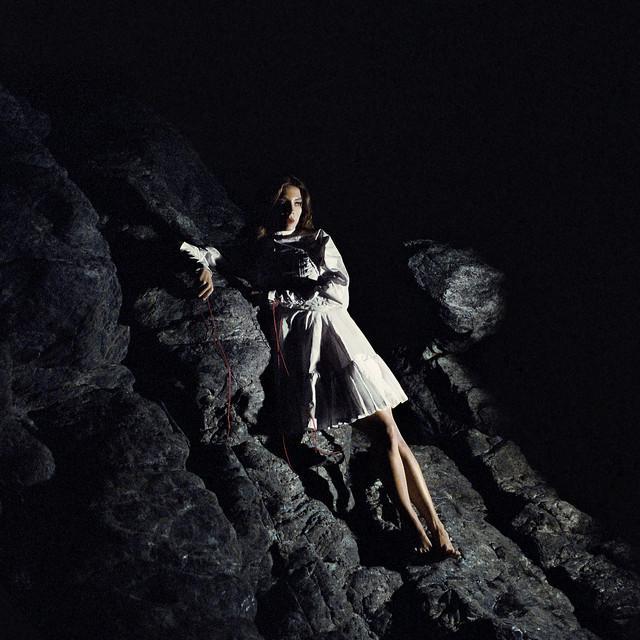
Flash by Maëlle: Memory Hits All at Once
The meaning of Flash Maëlle comes down to one painful idea: some relationships do not end cleanly. They keep returning as images, sensations, and half-heard thoughts. In this song, Maëlle turns memory into something almost physical, as if the past keeps breaking into the present without permission.
"Flash" - Maëlle
Mes souvenirs sont là
Je redoute le monde
Loading lyrics...
Unable to load lyrics
We're unable to display the lyrics at this time. Please try again later.
Rather than telling a simple breakup story, they describe what it feels like to live inside emotional aftershocks. The result is intimate, uneasy, and easy to recognize for anyone who has tried to move on while old moments still feel alive.
The Heart of the Song Is Memory Overload
At its core, “Flash” is about being haunted by a former connection. The speaker looks backward, not because they want to, but because their mind keeps pulling them there. Early lines about memories returning and fear of the world set up that trapped state.
The chorus makes this even clearer with toujours dans mes flashs
and plus d'espace
. Paraphrased, the past is still firing through their mind so often that it leaves little room for the present. That is the emotional engine of the song.
Interpretation: The title “Flash” suggests more than nostalgia. These are not warm memories. They arrive suddenly, like mental snapshots or even shockwaves, and they carry pain with them.
A Voice Caught Between Longing and Defense
One of the song’s most interesting moves is how it mixes vulnerability with resistance. The speaker admits they wanted to reconnect, but communication failed. The line about becoming disconnected suggests a modern kind of breakup, where silence can feel as final as a slammed door.
At the same time, the chorus asks questions like qu'est-ce que tu t'imagines?
and qu'est-ce que tu veux fuir?
. Those phrases sound defensive, almost confrontational. They imply that the absent person may have misunderstood the relationship, avoided hard truths, or left too quickly.
This tension matters. They are not only sad; they are also hurt, confused, and still arguing with someone in their head.
How the Story Moves From Recall to Collapse
The song unfolds in a clear emotional sequence:
- It begins with old memories rising back up.
- Sounds and images become overwhelming, especially the sea-like motion of waves and noise.
- The speaker remembers trying to reach the other person.
- They relive tender mornings that now feel lost.
- By the end, the world darkens and they feel unsteady, as if walking a line.
That final shift is important. The song starts with recollection, but it ends closer to emotional imbalance. The phrase je marche sur un fil
gives the feeling of fragility without needing to explain it directly.
Tout s'assombrit
Je marche sur un fil
Je revois ces matins
Comme pour la dernière fois
In paraphrase, everything grows darker as the speaker revisits intimate memories that now feel permanently out of reach.
Symbols That Carry the Pain
Maëlle fills the song with images that make grief feel sensory.
Water, sirens, and waves
The references to sirens and waves create instability. Water often represents emotion, but here it also suggests being pulled under. The noise does not calm them; it carries them away and then throws them back.
Sun without light
The image of a sun lacking brightness points to emotional numbness. Something that should bring warmth no longer does. It is a strong way to show depression or burnout after loss.
Echoes and bent posture
When the song mentions smiling to hide wounds and hearing only an echo after cries for help, it deepens the sense of isolation. Pain remains unseen, and language itself starts to fail. Even the body reflects it through the image of being weighed down by words.
Why the Sound Likely Matters So Much
The listed writers are Maëlle Pistoia, Olivia Merilahti, Stanislas Neff, and Thomas Malbete. That collaborative writing credit helps explain why the song feels carefully shaped around both image and mood.
Even without reproducing production notes, the lyrics strongly suggest a pop ballad or atmospheric chanson approach: spacious arrangement, gradual build, and a vocal performance that can move from intimacy to pressure. The repeated “oh-oh” hook likely works as an emotional release where language runs out.
Interpretation: If the track uses swelling synths, distant percussion, or wave-like dynamics, that would match the lyric world perfectly. A polished but fragile sound would underline how memory keeps circling back.
The Chorus Turns Memory Into a Prison
The chorus is not just catchy; it reframes the whole song. Many breakup songs remember the past, but “Flash” goes further. It presents memory as overcrowding. The self is still occupied by someone who is no longer physically there.
That is why the meaning of Flash Maëlle feels heavier than simple heartbreak. This is not only missing someone. It is living with their emotional imprint so intensely that the mind feels full.
Two Strong Readings of the Song
Interpretation 1: A breakup that never emotionally ended
This is the clearest reading. The lyrics mention lost contact, remembered touch, old mornings, and the inability to make space after separation.
Interpretation 2: Anxiety triggered by relational trauma
The repeated sensory overload, fear, darkness, and bodily stress also support a broader reading. The song may be about what happens when a relationship leaves lasting mental echoes, not just sadness.
Both readings can be true at once, which is part of the song’s strength.
Why “Flash” Stays With Listeners
What makes “Flash” effective is its honesty about how memory behaves. It does not arrive in neat lessons. It comes in fragments, sensations, and returns. Maëlle captures that beautifully through sea imagery, sharp questions, and a chorus that feels claustrophobic.
For many listeners, the song will feel less like a story and more like a state of mind. That is what gives it its sting.
Disclaimer: This interpretation is based on the lyrics provided and publicly available credits. As with any song, meaning can vary from listener to listener and may differ from the artist’s own intent.







