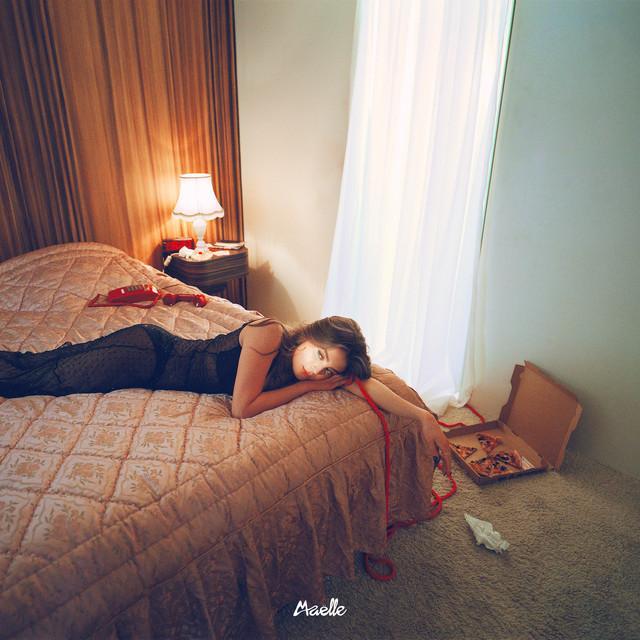
Why “La flemme” by Maëlle Feels So Honest
The meaning of La flemme Maëlle comes down to a feeling many people know but rarely say out loud: the strange mix of tiredness, avoidance, fear, and acceptance that can make doing nothing feel easier than moving forward. Instead of treating laziness as a joke, Maëlle presents it as an emotional state.
"La flemme" - Maëlle
Un tas de choses à accomplir
Comme si j'avais pris
Loading lyrics...
Unable to load lyrics
We're unable to display the lyrics at this time. Please try again later.
They sing from inside a slowed-down mind. There are tasks waiting, goals unfinished, and a day that should begin. But the song keeps returning to one central image: learning to live, at least for a moment, with that heavy lack of drive.
A Portrait of Inertia, Not Just Laziness
At the start, the singer says they have plenty to do, but everything feels slowed. The comparison to having taken too many sleeping pills suggests more than ordinary procrastination. It paints a body and mind that cannot fully engage.
That matters because the song never frames this as simple irresponsibility. It sounds closer to emotional fatigue. When Maëlle sings about a world that has become slow, they show how pressure can turn even basic action into something difficult.
The key phrase is danser sur ma flemme
. Before and after that image, the lyrics make clear that they are not proudly celebrating apathy. Instead, they are trying to move with it, almost like turning a problem into a temporary rhythm. That is what gives the song its honesty.
The Chorus Turns Confession Into Connection
The chorus is the emotional center of the track. First, the singer admits fear with tout ça m'effraie
. Then comes a second admission: they are starting to get used to this state.
That shift is important. The song is not only about being stuck. It is about what happens when stuckness becomes familiar. That can feel comforting, but it can also feel dangerous.
j'commence à m'y faire
Regarde-moi danser sur ma flemme
This short passage shows the song’s core tension. They are uneasy, yet calm. They are passive, yet still performing that passivity almost like a dance. Interpretation: this may suggest a coping mechanism, where style and softness cover a deeper loss of momentum.
Who Is the Song Speaking To?
Even though the verses feel private, the chorus reaches outward. The repeated question est-ce que c'est la même?
invites someone else into the feeling. Later, the refrain basically asks whether the listener also has la flemme
.
That choice changes the song’s meaning. It stops being a diary entry and becomes a shared confession. The singer is not only describing their own inertia; they are testing whether this emotional fog is collective.
For a U.S. listener, that makes the song easy to relate to even without speaking French. The details are specific, but the emotion is universal: staying in bed too long, putting off the day, and wondering if everyone else is quietly doing the same.
The Small Images That Carry the Theme
Several details give the song its depth:
- Too many things to do: pressure and expectation
- The day not rising: avoidance of reality
- Staying in bed: retreat and self-protection
- Music that feels lighter: using sound to soften the weight
- No quest or purpose: fear of drifting without direction
One of the sharpest lines is rester sans quête
. Paraphrased, the singer worries that living without a goal means nothing. That thought echoes in their head, which tells the listener that the real conflict is not chores. It is purpose.
So while the surface story is about low energy, the deeper issue may be existential. Interpretation: the song hints at a fear that if they stop moving, they may also stop becoming.
How the Sound Likely Supports the Message
Based on the lyrics alone, “La flemme” seems built around contrast. The words describe heaviness, but the repeated image of dancing suggests a lighter musical frame. That combination often works well in French pop: smooth melody on top, emotional conflict underneath.
This is why the song’s tone matters so much. If the production is airy, soft, or groove-based, it would reinforce the idea of floating through a difficult emotional state instead of crashing under it. The singer’s serenity in the chorus would then feel intentional, not accidental.
The songwriting credit provided here lists Jean Castel, Maëlle Pistoia, Noor Awad, and Stan Neff. That collaborative writing may help explain why the hook feels both conversational and polished. It has the simplicity of a personal thought, but also the repeated structure of a pop refrain.
A Second Reading: Burnout in Disguise
There is another valid way to hear the meaning of La flemme Maëlle. Instead of plain laziness, the song may describe burnout or mild depression-like inertia, though the lyrics do not name either directly.
The evidence is in the contradiction. The singer is frightened, feels slowed down, wants to avoid the day, and clings to bed and comforting music. Yet they also remain outwardly serene. That split between inner distress and calm presentation is emotionally realistic.
Still, it is best not to overstate it. Factually, the song describes inactivity and fear. Interpretation: listeners may connect that to burnout because the emotional pattern feels familiar.
Why the Song Lands So Well
What makes “La flemme” compelling is that it does not lecture, dramatize, or offer a clean solution. It simply stays inside the feeling long enough for the listener to recognize it.
By asking whether others feel the same, Maëlle turns private shame into shared understanding. That is why the song feels gentle instead of judgmental.
In the end, the meaning of La flemme Maëlle is about living in the space between fear and surrender. It captures the moment when a person knows they should move, cannot quite do it, and tries to make that stillness bearable.
Disclaimer: This interpretation is based on the lyrics provided and public songwriting information. Song meaning can remain open, and listeners may hear different emotional shades in the track.








