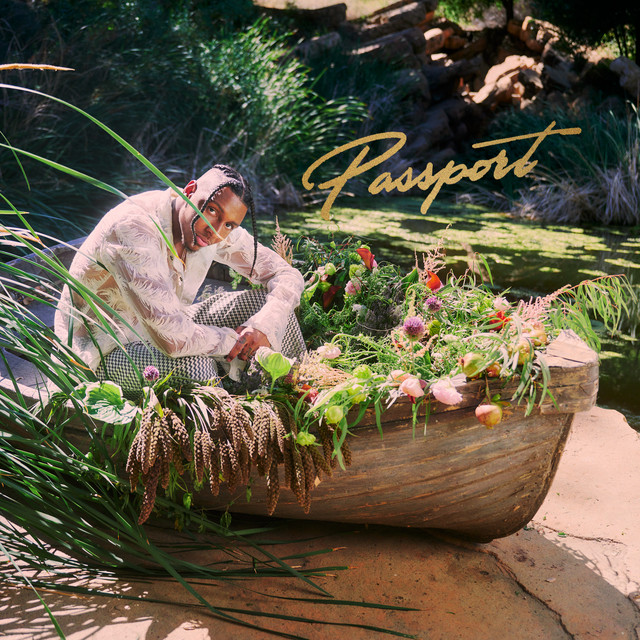
Why Masego's "Passport" Feels Like Escape
The meaning of Passport - シングル版 Masego starts with a simple image: a passport in hand, a town behind them, and a bigger world ahead. On the surface, the song is about travel. Under that, it is about ambition, boredom, identity, and the fear of getting trapped in a life that already feels decided.
"Passport - シングル版" - Masego
Or you can say, "Jag har mitt pass"
Got my passport
Loading lyrics...
Unable to load lyrics
We're unable to display the lyrics at this time. Please try again later.
Masego, born Micah Davis, is known for blending jazz, R&B, hip-hop, and global sounds into music that feels fluid and curious. That matters here. Even without heavy plotting, they turn movement itself into the point. The song treats travel not as luxury, but as a form of self-rescue.
More Than a Plane Ticket
At the center of the song is the repeated idea of got my passport
. In plain terms, they are saying they are finally ready to leave. But the line carries more weight than a travel checklist item. It suggests planning, saving, and working toward change.
The verses make that clear. They describe having been searchin'
and working hard to get out. That phrasing frames escape as earned, not random. They are not drifting into adventure. They have pushed for it because staying put feels dangerous in a quieter way.
Interpretation: the passport works as a symbol of permission. It allows border crossing, but emotionally it also gives them permission to imagine a different life.

Watch the official Passport - シングル版
music video
The Real Enemy Is Familiarity
One of the song's strongest ideas is not hatred of home, but fatigue with repetition. They say things are looking too familiar and picture a routine that leads nowhere new. The mention of the same route and the shipyard every day turns local work into a symbol of a fixed future.
That detail grounds the song. This is not abstract wanderlust. It is a response to feeling boxed in by class, place, and routine. When they decide to leave, the act sounds urgent because staying would mean accepting a life they do not want.
A small line like flyin' South
helps sell that urgency. The exact destination matters less than the motion away from sameness. In the song's logic, direction itself becomes hope.
Reinvention in Motion
Travel in "Passport" is also tied to self-remaking. They joke about getting new hair, turning off the phone, and breathing this new air
. These are vivid but everyday signs of transformation. A new place lets them try a new version of themselves.
That is one reason the song feels light on its feet. It understands reinvention as something social and sensory. New food, new language, new scenes, and new people all push them outside old habits.
A Quick Story Map
The song unfolds in a clear sequence:
- They work and save for a way out.
- They reject a repetitive hometown future.
- They arrive somewhere unfamiliar and exciting.
- They try new things and absorb a bigger world.
- The outro reminds listeners that personal drama still exists.
That last move is important. Freedom is real in the song, but it is not total. Life's mess comes along too.
Why the Chorus Hits So Hard
The chorus is catchy because it compresses the whole message into one repeated declaration. The phrase country hoppin'
sounds playful, but it follows lines about labor and searching. That contrast gives the hook depth.
They are celebrating movement, yet the joy only lands because listeners have already heard what they are moving away from. The chorus is not just a flex. It is relief.
Interpretation: this is why the song can feel aspirational to listeners in the United States and beyond. It speaks to anyone who has looked at their environment and thought: there has to be more than this.
The Global Details Matter
The song's multilingual and cross-cultural moments widen its meaning. Spanish, Swedish, Japanese, sushi, saké, and street-level learning all build a picture of curiosity. They are not only escaping; they are absorbing.
That said, the tone stays playful. Masego presents discovery through nightlife, conversation, and novelty. The mood is less academic than lived-in. They are learning by being there.
Japanese on the street
we're learnin' new things
Those lines, brief as they are, sum up the song's best instinct: travel changes people because it puts them in contact with what they do not already know.
How the Sound Carries the Message
The production helps the meaning land. The groove is warm, rhythmic, and airy, giving the song a sense of motion without making it frantic. That balance matters. The track does not sound like panic; it sounds like release.
Masego's style often mixes smooth vocals with elastic phrasing and genre crossover, and this song benefits from that approach. The performance feels relaxed but driven, like someone who has already made the hard decision and is now enjoying the payoff.
Factually, the provided credits list the writers as Masego (Micah Davis) and Dernst Emile II. That pairing fits a song that blends melody, bounce, and emotional clarity.
The Outro's Twist
The spoken ending introduces suspicion and relationship drama. On first listen, it can feel disconnected. But it actually broadens the song's world. Leaving town does not erase trust issues, jealousy, or confusion.
Interpretation: the outro may show that travel is both liberation and performance. People can reinvent themselves, but they can also hide things while doing it. That gives the song a sly edge beneath the fun.
What "Passport" Finally Says
The meaning of Passport - シングル版 Masego is about more than tourism. It is about refusing a narrow future, saving up for change, and using movement as a way to discover a bigger self. Its best idea is simple: sometimes getting out is not running away. Sometimes it is the first honest step toward becoming who they want to be.
This interpretation is based on the lyrics, performance, and available song credits. As with any song, listeners may hear different meanings in the same lines.









