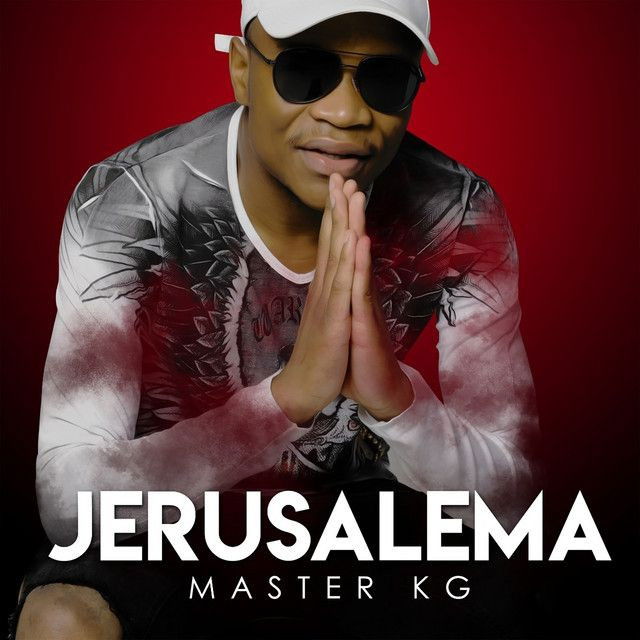
Jerusalema by Master KG, Nomcebo Zikode
They didn’t need a heavy sermon—just a beat, a bright synth line, and a plea that felt like a hug. Jerusalema blends gospel feeling with Afro-house drive, turning a simple prayer into a global dance. The chorus in Zulu speaks of home, protection, and not being left behind, while the music invites everyone to move together.
"Jerusalema" - Master KG ft. Nomcebo Zikode
Master Master KG
O wanitwa mos
Loading lyrics...
Unable to load lyrics
We're unable to display the lyrics at this time. Please try again later.
The Meaning That Moves: Home, Faith, and Belonging
At its core, the meaning of Jerusalema Master KG, Nomcebo Zikode is about yearning for a spiritual home and asking for guidance. The refrain names Jerusalem as home and asks a higher power to walk alongside the singer. In plain terms, it’s a dance-floor prayer.
Interpretation: When they sing ikhaya lami
(my home), the idea is not a street address but a place of safety and belonging. The request zuhambe nami
(walk with me) and zungangishiyi lana
(don’t leave me here) turns the track into a communal call: don’t abandon us; guide us through life’s journey.
Watch the official Jerusalema
music video
Who’s Speaking—and To Whom?
The narrator speaks in the first person to a divine presence. The voice sounds humble and direct, admitting need and seeking protection. In later versions, Burna Boy adds a personal admission—I’m not perfect
—which connects the sacred theme to real-world struggle. Together, these voices shape a conversation between human vulnerability and hoped-for grace.
The Chorus, Unpacked in One Breath
Jerusalema, ikhaya lami Ngilondoloze, zuhambe nami Zungangishiyi lana
Paraphrased: Jerusalem is my home; protect me; walk with me; do not leave me here. That three-line heartbeat repeats like a mantra. It’s short, direct, and designed for collective singing. The repetition works like a dance step you know by muscle memory, reinforcing trust with every loop.
Symbols That Travel: City, Kingdom, Journey
Jerusalem functions more as symbol than tourist destination. It stands for a sacred home—the place where the soul belongs. Elsewhere, the lyric says the singer’s home and kingdom are “not here,” implying their true belonging is spiritual, not earthly. The journey motif shows up in the request to “walk with me,” suggesting movement through hardship toward a promised place.
Interpretation: Lines such as Ndawo yami ayikho lana
(my place is not here) point to exile and hope. Even if life is hard, there’s a home beyond the present moment. That hope is what listeners carried into their kitchens, streets, and hospital corridors while doing the dance.
How the Sound Lifts the Prayer
Master KG builds a gospel-house frame: a steady four-on-the-floor kick, handclap accents, buoyant synth leads, and a bass that nudges the body forward. Nomcebo Zikode’s vocal is clear and soaring, cutting through the mix with a call-and-response feel. The production keeps harmonic movement simple so the chorus sits on top like a beacon.
Interpretation: The upbeat groove turns a plea into celebration. Dancing to a prayer doesn’t cancel the plea—it embodies it. The joy in the rhythm says the answer to that prayer might already be unfolding in the shared moment on the dance floor.
Remix, Reach, and a World in Step
The original 2019 release grew steadily, and in 2020 it caught fire worldwide alongside a viral dance challenge. A Burna Boy remix added Afrobeats inflection and multilingual verses (blending Zulu, Yoruba, and English), widening the song’s pan-African embrace. The track topped charts across Europe, won Song of the Year at the African Entertainment Awards USA, and earned Gold certification in the United States.
Interpretation: The global response suggests people heard their own stories in the song—migration, faith, and the search for belonging. The choreography, born from everyday people, helped translate its message without words.
Alternate Readings: Sacred, Secular, or Both?
- Devotional reading: The song is a prayer to God for protection and guidance toward a heavenly home.
- Humanist reading: “Jerusalem” stands in for any place of safety—family, community, or simply a future without fear.
- Diaspora reading: It reflects the feeling of living between worlds, with home existing more in spirit than geography.
All three lenses fit because the language is open and the music is inclusive.
Takeaway
Jerusalema works because it lets people carry hope in their bodies. The hook promises a home and asks for company on the way there—simple words, huge feeling. When they sing zungangishiyi lana
, they’re asking not to be abandoned. On dance floors and sidewalks across the world, the answer came back as movement.
Disclaimer: This analysis reflects one informed interpretation; listeners may find additional meanings based on their context and experience.







