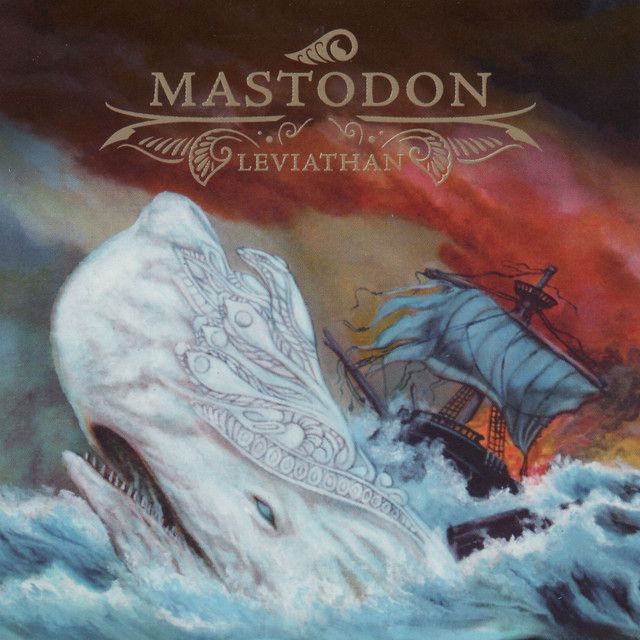
Blood and Thunder by Mastodon
Mastodon's "Blood and Thunder" is one of metal's clearest songs about obsession. For anyone searching for the meaning of Blood and Thunder Mastodon, the short answer is this: they turn Moby-Dick into a brutal inner monologue about revenge, fate, and self-destruction.
"Blood and Thunder" - Mastodon
Infecting my blood and destroying my mind
No man of the flesh could ever stop me
Loading lyrics...
Unable to load lyrics
We're unable to display the lyrics at this time. Please try again later.
The song opens Leviathan, Mastodon's 2004 concept album inspired by Herman Melville's novel, a fact widely noted in coverage of the record, including Songfacts. That album later earned year-end praise from magazines such as Revolver, Kerrang! and Terrorizer, which helps explain why this track became a defining statement for the band.
A Whale Hunt That Becomes a Mindset
On the surface, the song follows Captain Ahab-like fixation. The narrator believes a force is attacking from within, and that emotional infection drives the chase forward. Early lines describe blood being poisoned and the mind being ruined. That matters because the hunt is not presented as noble adventure. It already feels like possession.
When the band repeats white whale, holy grail
, they compress the whole theme into one image. The whale is not only prey. It becomes a sacred object, a private religion, and a reason to keep suffering.
Interpretation: they suggest that obsession turns goals into idols. Once that happens, the person is no longer steering their own life.

Watch the official Blood and Thunder
music video
Who Is Speaking in the Lyrics?
The song mostly uses a first-person voice, which makes the story feel immediate and unstable. The speaker says I no longer govern my soul
, which plainly tells listeners that control has been lost.
That line is one of the keys to the song's meaning. Instead of celebrating toughness, Mastodon show a mind taken over by revenge. The narrator sounds powerful, but also trapped.
There is also a shift into command language, especially when the chorus urges men forward. That turns private madness into collective violence. One person's fixation becomes a crew's disaster.
How the Story Moves From Fear to Attack
The lyrics unfold in a simple but effective sequence:
- The speaker feels hunted and mentally poisoned.
- The white whale becomes an all-consuming goal.
- The speaker admits spiritual collapse and darkness.
- The chorus turns obsession into a war order.
- The final verse locks onto Ahab imagery, including the
ivory leg
and direct attack.
That structure is important. The song does not begin with courage. It begins with damage. By the time the crew is told to break your backs
, the violence feels less heroic than doomed.
Why the Chorus Hits So Hard
The chorus is the song's most famous section because it sounds like a battle cry, but the words are harsher than a normal victory chant.
Split your lungs with blood and thunder
When you see the white whale
Even in this brief passage, the body is being torn apart. Breathing, rowing, and fighting all become forms of self-harm. The whale may be the target, but the crew pays the price.
Interpretation: this is why the chorus feels thrilling and terrifying at the same time. Mastodon let listeners feel the rush of the hunt while also showing its cost.
Symbols That Carry the Song's Meaning
The white whale
The whale represents more than an animal. It stands for the unreachable thing a person believes will fix everything. Because the song pairs it with holy grail
, the image carries both spiritual hunger and delusion.
Blood and infection
The opening idea of tainted blood turns obsession into something physical. Revenge is not just a thought. It spreads through the whole body.
Darkness and turning from the sun
When the speaker describes being immersed in darkness and turning away from light, Mastodon use simple images to show moral and mental collapse. This is not just sadness. It is chosen blindness.
The ivory leg
The detail of the ivory leg
connects the song directly to Ahab. It also symbolizes a wounded person using old pain as fuel. The injury does not heal; it becomes propulsion.
How the Music Makes the Meaning Bigger
Part of the meaning of Blood and Thunder Mastodon comes from the sound. The riffs are thick, direct, and physical. Brann Dailor said the song began as a guitar idea from him, even though he is mainly known as the drummer, and he described his riffs as "meaty and easy to play" before the rest of the band expanded them, according to Songfacts.
That origin fits the track. The main riff feels blunt and unstoppable, like rowing into a storm. The drumming adds panic and momentum, while the shouted vocals make the chorus feel communal, almost like sailors forcing themselves forward.
There is also a rough, live-tested energy in the song. Dailor recalled that Mastodon worked Leviathan material out on tour before lyrics were fully settled, even handing words over between shows, as reported by Songfacts. That helps explain why the track feels urgent rather than polished smooth.
The Best Way to Read the Ending
By the final verse, the narrator is fully committed. They aim at the whale's head and stare it down. On one level, that is the climax of the hunt.
Interpretation: on another level, it is the moment where obsession leaves no room for retreat. The speaker would rather destroy himself than release the goal. That is what makes the song more tragic than triumphant.
Why the Song Still Connects
"Blood and Thunder" lasts because people do not need to know Moby-Dick to feel it. They recognize the pattern: pain becomes purpose, purpose becomes obsession, and obsession becomes identity.
Mastodon package that idea inside one of their most explosive songs, but the warning is clear. The thing they chase may look glorious from a distance. Up close, it can hollow them out.
Disclaimer: This interpretation is based on the lyrics, known album context, and public comments about the song's creation. As with any art, listeners may hear different meanings in it.









