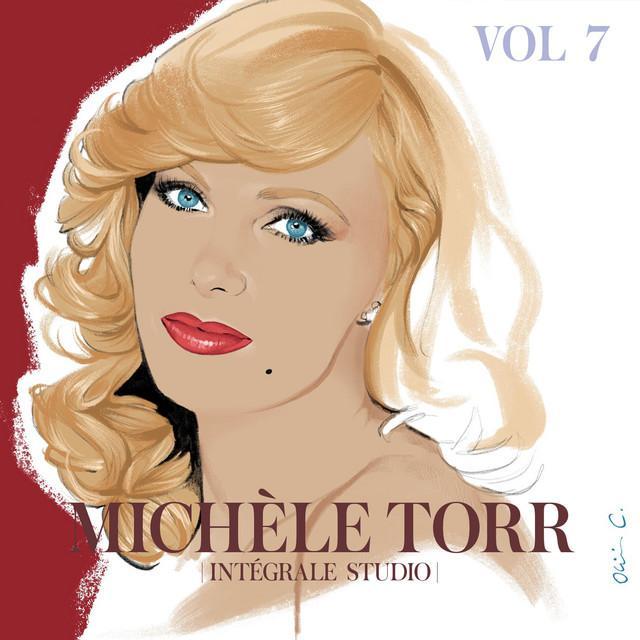
Why "Emmène-moi danser ce soir" Still Hurts
The meaning of Emmène-moi danser ce soir Michèle Torr comes down to one simple, painful idea: love can survive marriage, children, and routine, but it still needs care. In this 1978 French pop hit, the speaker is not asking for a new life. They are asking for one evening that feels like the old one.
"Emmène-moi danser ce soir" - Michèle Torr
Que nous sommes mariés
Tu m'as donné de beaux enfants, tu sais
Loading lyrics...
Unable to load lyrics
We're unable to display the lyrics at this time. Please try again later.
The song was released in 1978 as a single and on the album of the same name. It became a major hit in France, reaching No. 3 and selling more than 600,000 copies, with Gold certification, according to the song's documented chart history and release data on Wikipedia. That popularity makes sense. Its story is intimate, but the feeling is universal.
A Marriage Song, Not Just a Love Song
At first, the song sounds soft and nostalgic. The speaker reminds their partner that they have been married for six years, have children together, and that love has never fully disappeared. That opening matters because it keeps the song from sounding like a breakup anthem.
Instead, this is a song about emotional neglect inside a continuing relationship. The speaker still loves their husband. They simply feel unseen.
That is why lines about domestic routine hit so hard. The image of ton fauteuil, ton journal
points to habits that have replaced intimacy. Add cigarettes and television, and the home starts to feel emotionally crowded even though the couple is still together.

Watch the official Emmène-moi danser ce soir
music video
The Real Plea Hiding in the Chorus
The chorus is built around a direct request: Emmène-moi danser ce soir
. On the surface, they want to go dancing. But the deeper meaning is about being desired again.
They want to be held joue contre joue
, cheek to cheek, close enough to feel the tenderness that once came naturally. The request to flirt again is especially revealing. It suggests that marriage has become functional, while courtship has disappeared.
Emmène-moi danser ce soir
Fais-moi la cour
Comme aux premiers instants
This is the song's emotional core. They are not asking their partner to invent a new love. They are asking them to remember the first one.
Seen as a Mother, Not as a Woman
One of the song's sharpest ideas is that the speaker feels reduced to a role. They say their partner seems to see only the mother of his children. That line widens the song beyond romance.
Interpretation: this can be heard as a quiet statement about gender and domestic life. The speaker mentions putting down their apron and making themselves beautiful again, which suggests how housework and caregiving have buried part of their identity. They want to be recognized as a lover, not just a caretaker.
This is also why the song stays relatable. It does not depend on dramatic betrayal. It is about slow invisibility, the kind that can grow in ordinary households.
Small Gestures Matter More Than Grand Ones
Another reason the lyric works is that it stays realistic. The speaker does not ask for daily flowers or some impossible fantasy. They ask for un geste d'amour
from time to time.
That detail keeps the song grounded. They are not rejecting married life. They are asking for signs that love is still active inside it.
For many listeners, that is where the song cuts deepest. The relationship is not empty. It is just undernourished.
How the Sound Softens the Pain
Musically, the song belongs to French variété, a style known for strong melody, clear storytelling, and polished orchestral-pop arrangements. Release credits list Michèle Torr as vocalist, with lyrics by Jean Albertini and François Valéry, music by Valéry, and orchestra direction by Yvon Rioland, per Wikipedia.
That musical setting matters. The arrangement is smooth and inviting rather than angry. Instead of turning the lyric into confrontation, the song frames it as a tender appeal. The rhythm supports the dance image, while the melody carries a wistful pull that feels half hopeful, half wounded.
Torr's vocal delivery also shapes meaning. They do not sound theatrical or bitter. They sound patient, affectionate, and a little tired. That balance makes the song believable.
Why the Song Endured
The song stayed alive beyond its chart moment. It later appeared in films including Ma vie en rose and Potiche, according to the same release history source. That afterlife suggests that the track came to stand for more than one couple's story. It became shorthand for a certain kind of French romantic melancholy: domestic life pressing down on remembered passion.
Interpretation: listeners may hear two stories at once. One is hopeful, because the speaker still believes one night together could reopen something real. The other is sadder, because needing to ask at all shows how far the relationship has drifted.
The Lasting Meaning
So, what is the meaning of Emmène-moi danser ce soir Michèle Torr? It is about wanting to be chosen again by the person who once chose them first.
Its power comes from how modest the request is. No threats, no revenge, no final goodbye. Just a wish to leave the chair, the paper, and the TV behind for one night and remember what love felt like before routine took over.
That is why the song still resonates. It understands that in long relationships, romance often does not die in one dramatic moment. It fades through neglect. And sometimes, the bravest thing a person can ask is simply: take me dancing tonight.
Disclaimer: This article offers an interpretation of the song based on its lyrics, historical context, and documented release information. Meanings can vary from listener to listener.







