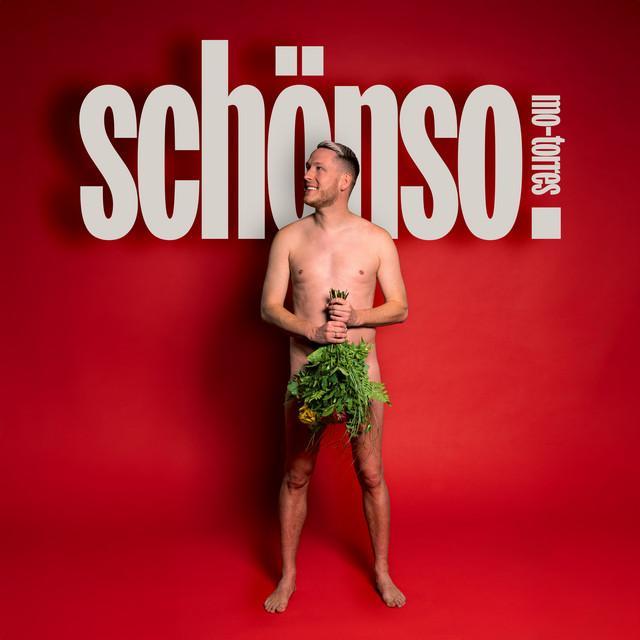
Why “es ist okay” by Mo-Torres Matters
The meaning of es ist okay Mo-Torres comes through with unusual directness: this is a song about giving people permission to struggle without shame. Rather than offering easy fixes, it speaks with calm empathy to someone who feels lost, tired, or emotionally numb.
"es ist okay" - Mo-Torres
Es ist okay
Wenn du die ganze Nacht nicht pennst, weil dein Schädel keine Ruhe gibt
Loading lyrics...
Unable to load lyrics
We're unable to display the lyrics at this time. Please try again later.
That approach matters. Many comfort songs promise a happy ending, but this one does something gentler. It says pain is real, confusion is real, and a person does not need to hide either one to stay worthy.
A Comfort Song That Refuses Easy Answers
At its core, the track tells listeners that bad phases do not cancel their value. The repeated message, paraphrased simply, is that not being okay is still okay. When the chorus uses the phrase nicht okay zu sein
, it is not celebrating suffering. It is removing the pressure to pretend.
That distinction gives the song its emotional force. The speaker does not diagnose, judge, or turn the listener into a problem to solve. Instead, they admit limits and still offer support.
One of the most revealing ideas appears when the speaker says, in effect, they do not fully know what the other person is living through. That honesty keeps the song grounded. It is not false wisdom; it is companionship.
Who the Song Is Talking To
The verses address a person stuck in a fog. They cannot sleep, cannot sort out what they feel, and may be moving through life on autopilot. The lyric about a head that will not rest points to racing thoughts, while the lines about not feeling much inside suggest emotional shutdown.
The song also notices how this state can flatten everything. Life is no longer intensely beautiful or intensely terrible; it is just dull and disconnected. That emotional grayness is a key part of the song’s portrait.
Es ist okay
dass die Welt es weiß
This short refrain matters because it reframes suffering as something that does not have to stay hidden. In plain terms, the song argues that vulnerability is not failure.
How the Verses Build the Message
The first verse lays out inner distress: sleeplessness, confusion, and a lack of direction. The person seems to be following life rather than shaping it. That is a vivid way to describe burnout or depression without naming either one directly.
The second verse widens the focus. It says they do not need to understand everything immediately, and they do not have to carry other people’s emotional mess. The phrase häufiger mal nein
points toward boundaries. Saying no becomes part of healing, not proof of weakness.
Another important line pushes back against self-blame. When the lyric warns against hunting for a flaw in one’s own system, it suggests that suffering is not always caused by personal failure. That is one of the song’s kindest ideas.
The Chorus as the Song’s Moral Center
The chorus is simple on purpose. Pop writing often uses repetition to make a feeling feel safe, and that is what happens here. Each return to nur du selbst
and so viel mehr
links honesty with dignity.
Interpretation: the song is not only saying, “You may struggle.” It is also saying, “Your struggle does not reduce you.” In that reading, selfhood becomes bigger when it is truthful rather than performed.
For U.S. listeners, that idea may recall the broader language of mental-health advocacy: speak up, drop the mask, and ask for room to be human. But the song avoids slogans. Its warmth comes from sounding personal, not institutional.
Artist Context and Writing Choices
Mo-Torres is known in German pop and rap-adjacent songwriting for direct, conversational emotion rather than dense abstraction. That style fits this song well. The listed writers—Nicolas Gomez Teke, Philipp Dittberner, Moritz Helf, and Chris Moehlenkamp—suggest a collaborative writing process built around a clear hook and accessible phrasing.
Even without a detailed production sheet here, the lyric design implies a mainstream pop structure: intimate verses, a reassuring chorus, and repetition used as emotional grounding. A song like this usually works best with warm chords, a steady beat, and vocals that feel close to the listener rather than theatrical.
Interpretation: if the production stays soft and uncluttered, that would support the theme perfectly. A crowded arrangement might fight the message, but a spacious one lets each comforting line land.
Why the Song Connects
What makes the meaning of es ist okay Mo-Torres resonate is its refusal to turn pain into a dramatic spectacle. The song speaks to ordinary bad periods: insomnia, self-doubt, numbness, and social pressure. Those are common experiences, which is why the message can feel immediate.
It also offers a model of support. The speaker does not say, “Here is how to fix yourself.” They say, in effect: I may not fully understand, but you do not need to be ashamed in front of me. That is a powerful emotional posture.
A Gentle Final Read
In the end, “es ist okay” is less about crisis than permission. It tells listeners that struggle can be visible, identity can remain intact, and saying no can be healthy. Its kindness lies in how little it demands.
For many people, that may be exactly what makes the song healing: it does not ask them to become inspirational. It simply lets them be human.
Disclaimer: This interpretation is based on the lyrics provided and publicly available songwriting context. Meaning can vary from listener to listener.







