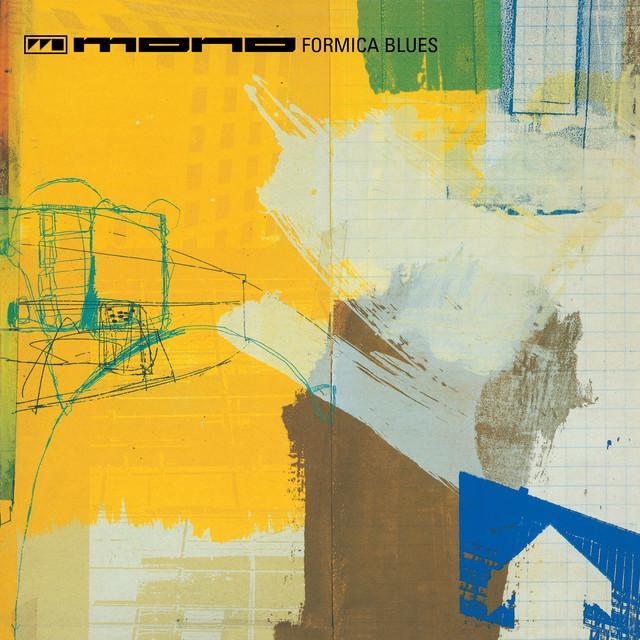
Silicone by Mono: A Smile That Hides the Truth
The meaning of Silicone Mono lives in the gap between what a face shows and what a person feels.
"Silicone" - Mono
Provided by LyricFindSo many times,
I've tried to make you understand.
You never try to see behind my smile.Loading...Loading lyrics...
Unable to load lyrics
We're unable to display the lyrics at this time. Please try again later.
The Core of the Song’s Secret
At its heart, “Silicone” is about emotional disguise. The narrator keeps trying to be understood, yet the other person never looks past the surface. That is why the song returns again and again to the idea of smiling while hiding the truth.
The clearest way into the meaning of Silicone Mono is to see it as a song about self-protection. The speaker is not simply lying for fun or cruelty. They seem trapped behind an image they have learned to perform. When they mention a painted smile
, the phrase suggests something applied like makeup or a mask, not a natural expression.
That small detail changes the whole mood. The smile is not joy. It is armor.
Watch the official Silicone
music video
A Voice Split in Two
Who they are talking to
The lyrics create a direct, intimate conversation. The speaker addresses someone they know well, but that closeness does not bring honesty. Instead, the relationship seems built on partial knowledge and missed signals.
When the song says you never try to see
, it frames the conflict as a failure of perception. The other person may see the speaker’s face, habits, and behavior, but not the inner life behind them. The song’s sadness comes from that mismatch.
The central contradiction
The chorus turns the theme into a blunt confession with smiling while lying
. Paraphrased, the speaker admits that their outward warmth hides something important. That “lie” may be an unspoken feeling, personal pain, or the false impression that everything is okay.
Interpretation: The song is less about a single factual lie and more about the everyday lie of pretending to be fine.
How the Verses Build the Meaning
The verses move through a clear emotional pattern:
- The speaker tries to explain themself.
- The listener fails to look deeper.
- The speaker hides even more.
- The chorus reveals the cost of that hiding.
A key line is the secret in me
. That phrase keeps the song from becoming simple accusation. The speaker does have something hidden, and they are partly responsible for keeping it concealed. But they also seem to wish someone would notice without being told directly.
That is why another striking phrase, walk in your shoes
, matters. It suggests empathy. The speaker can imagine the other person’s point of view, even while deceiving them. This makes the song more human and conflicted. They are not cold. They are divided.
The Public Face, the Private Self
One of the strongest lines broadens the story beyond one relationship by saying the public never sees
certain things. That opens a second reading of the meaning of Silicone Mono.
Interpretation: The song may also be about performance in a social sense. The speaker could be hiding behind a public image, not just lying to one person. In that reading, the “painted” smile becomes a symbol of persona itself: a fixed, polished surface that keeps private feelings out of view.
That idea fits the title nicely. “Silicone” suggests something synthetic, smooth, or manufactured. While there is no confirmed artist statement here linking the title to a single meaning, the word naturally evokes artificial surfaces. Even outside music, silicon-based materials often carry associations with modern fabrication and polish. Monocrystalline silicon, for example, is valued in electronics because its structure is highly uniform and refined, making it foundational to modern devices, according to general technical references such as Wikipedia’s overview of mono-Si. In a symbolic sense, that polished perfection echoes the song’s emotional mask.
The title therefore feels meaningful even if it stays slightly mysterious. It points to something made, finished, and maybe less organic than it appears.
Why the Repetition Hurts So Much
The chorus repeats the same confession many times, and that repetition matters. Rather than moving the story forward, it traps the listener in the speaker’s emotional loop.
Each return to the hook feels like proof that the speaker cannot escape their own act. They smile, they hide, they wait to be understood, and nothing changes. The repeated closing thought, paraphrased as “if only the listener knew,” adds frustration and loneliness.
This is where the song becomes relatable. Many listeners know the feeling of acting normal while carrying fear, sadness, or doubt underneath.
How the Electronic Sound Supports the Theme
The provided context identifies the track as electronic. That genre choice matters because electronic music often uses smooth textures, repeated patterns, and processed vocals to create emotional distance as well as mood.
For a song like this, that sonic world can strengthen the meaning. A clean, controlled arrangement mirrors the controlled face the speaker presents. Repetition in electronic production also fits the repetitive thought cycle in the lyrics. If the track uses layered or doubled vocals, those choices would further underline the split between surface and inner self.
Interpretation: The production likely works as an extension of the mask. The more polished the sound, the sharper the contrast with the pain underneath.
A Note on Credits and Context
The writing credits provided include Burt Bacharach, Hal David, Roy Budd, Virgo Martin, and Siobhan Louise Meehan. Without verified release and recording details from a label database, it is safest to say only that the credited song draws from a notable songwriting lineage while presenting itself in an electronic style.
That mix of classic pop-writing names and modern genre framing may help explain why the song feels both immediate and timeless: the emotional idea is old, but the presentation feels sleek and contemporary.
What “Silicone” Ultimately Means
The meaning of Silicone Mono comes down to hidden feeling under an attractive surface. It is a song about looking okay, sounding okay, and still being unseen.
Its best lines turn a smile into evidence of pain, not happiness. That is why the song lingers. It understands that people often hide most carefully when they most want to be noticed.
Interpretation disclaimer: Song meaning is never fully fixed. This reading is based on the lyrics provided, the credited context, and the song’s electronic framing, but listeners may hear different emotional shades in it.







