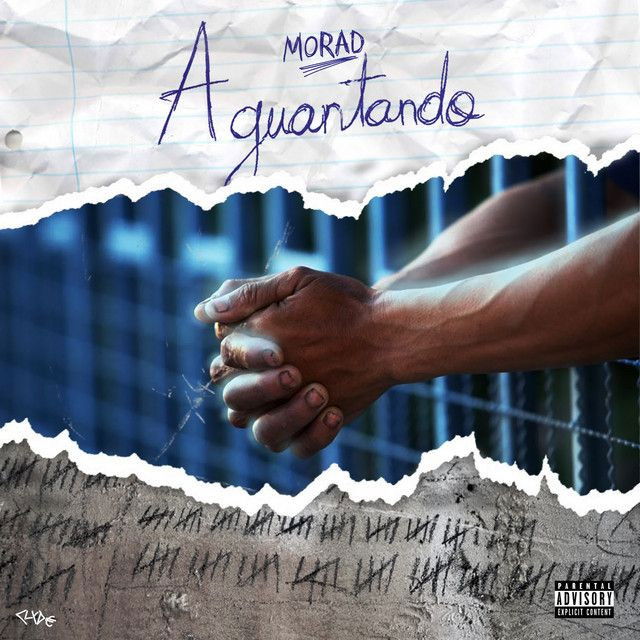
Aguantando by Morad
Why This Song Hits So Hard
The meaning of Aguantando Morad centers on endurance. Morad presents life as a constant test: pressure from police, pressure from the courts, pressure from money, and pressure from the street world that shaped them. The title itself means “enduring” or “putting up with it,” and that idea drives every part of the track.
"Aguantando" - Morad
El Benny
Que yo nunca he sali'o del gueto
Loading lyrics...
Unable to load lyrics
We're unable to display the lyrics at this time. Please try again later.
What makes the song powerful is that it does not sound like a victory lap. Even when Morad talks about earning a place or moving away from danger, the mood stays tense. They describe a life where progress never fully erases the past.
For U.S. listeners, the closest comparison is a street-rap song about making it out while still carrying the neighborhood, the legal trouble, and the trauma in their body.

Watch the official Aguantando
music video
The Core Message Beneath the Hook
At its heart, the song says that survival comes with scars. Early on, Morad frames identity through the line nunca he sali'o del gueto
. The idea is not just that they came from a hard place. It is that the hard place still lives inside them.
That matters because the track keeps returning to systems of power. The chorus points to abusos policiale'
and then to courtrooms and prosecutors. In plain terms, Morad is describing a cycle where poor young people face surveillance, punishment, and lasting suspicion.
Interpretation: the song is not only autobiographical. It also works as a wider statement about how marginal communities are judged before they are heard.
A Voice Shaped by Distrust
Morad’s narrator speaks with guarded confidence. They do not claim to be perfect, and they do not try to sound innocent in a simple way. Instead, they sound alert, skeptical, and tired of outside opinions.
When Morad says others talk and call them false, the point is less about one accusation than about public image. They have become someone people discuss from a distance. That creates one of the song’s main tensions: visibility brings money and status, but it also brings more scrutiny.
Another key line is me gusta el dinero
, quickly qualified by the idea that money is used to hide. That is a striking confession. Wealth is not presented as joy or luxury. It is a shield.
Street Success Does Not End Street Logic
One of the smartest parts of the meaning of Aguantando Morad is how it handles success. Morad says they earned their own ground and moved away from bad influences. On paper, that sounds like growth.
But the next details complicate that story. Friends are still involved in illegal activity. One vivid section tells of someone who robbed the son of a police commissioner and had to flee after police abuse. Whether listeners hear that as a direct memory or a representative story, it shows how close danger remains.
So the song rejects a clean before-and-after narrative. There is no neat split between “the streets” and “the future.” Morad may move forward, but the people around them still face the same machinery.
The Chorus Turns Pain Into Routine
The refrain is the emotional center of the song. It lists repeated hardship almost like daily tasks: police abuse, court appearances, prosecutors speaking, and the desire to avoid being locked up again.
Levantándome para los juzgado'
Para nunca más estar encerrado
Those short lines matter because they flatten drama into routine. Going to court is not shown as a shocking one-time event. It feels normal, exhausting, and deeply familiar.
Interpretation: that repetition may be the whole point of the chorus. Morad turns institutional pressure into a rhythm, showing how punishment becomes part of everyday life.
Family, Not Fame, Feels the Damage
A smaller but important theme is who really suffers. Morad suggests that when legal trouble or street conflict hits, it is mainly relatives who carry the pain, not casual friends. That idea gives the song a moral center.
It also explains why the track sounds colder when talking about social circles. Friends can disappear. Reputation can change. But family absorbs consequences.
The song also warns that bad money breeds greed and conflict. In other words, cash may offer protection, but it also spreads poison. Morad refuses the fantasy that money solves everything.
How the Production Supports the Meaning
The production, credited in part to El Vato and El Benny in the song materials, keeps things stripped and hard-edged. Rather than sounding lush or triumphant, the beat feels functional and relentless. That suits a song about pressure.
Morad’s delivery is crucial too. They often rap in a clipped, direct style that avoids melodrama. That plainness makes the content feel more believable. Instead of begging for sympathy, they report what happened and let the weight sit there.
Listeners familiar with Morad’s rise through Spanish drill and street rap will hear continuity with the realism that made them break out, including work around MDLR and later releases covered by Billboard España. The sound is less about polish than presence.
A Song About Memory as Much as Survival
A deeper reading is that “Aguantando” is about memory. The ghetto, police, courtrooms, and cells are not just places. They are mental spaces the narrator still inhabits.
That is why the song feels heavy even when it mentions progress. Morad is not asking to be admired for escaping. They are saying escape is incomplete.
Final Take
The meaning of Aguantando Morad lies in that unfinished escape. It is a song about enduring state pressure, carrying neighborhood identity, and learning that money cannot fully protect them from history.
For many listeners, its force comes from how little it romanticizes any of this. It is hard, specific, and emotionally restrained.
Disclaimer: This interpretation is based on the lyrics, performance, and available artist context. As with any song, listeners may hear different meanings in specific lines.







