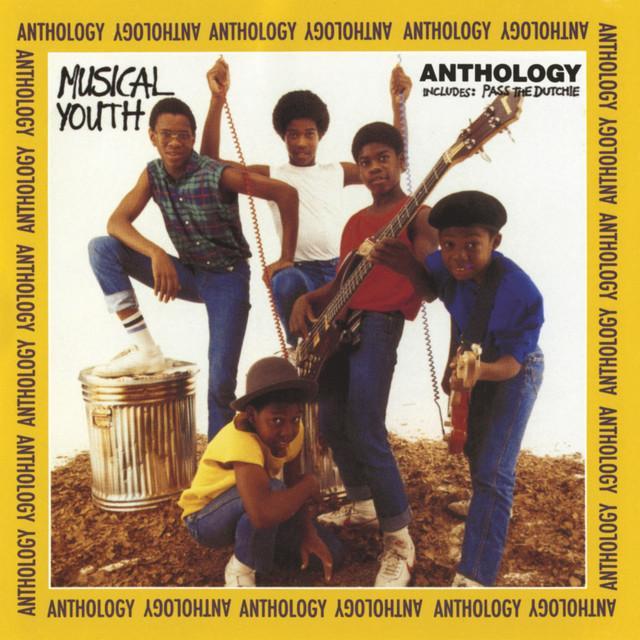
Why 'Pass The Dutchie' Sounds Lighter Than It Is
The meaning of Pass The Dutchie Musical Youth is easy to miss because the song arrives with such a bright smile. It is catchy, bouncy, and childlike on the surface. But underneath that famous hook sits a song about hunger, social struggle, and the way music helps people endure hard times.
"Pass The Dutchie" - Musical Youth
Rules the nation
With version
Loading lyrics...
Unable to load lyrics
We're unable to display the lyrics at this time. Please try again later.
Musical Youth turned the track into a global hit in 1982, and its success came from a smart blend of reggae rhythm and pop accessibility. The group were very young, which made the record feel innocent and fresh. That youthfulness matters: when they sing about empty cupboards and dancing through hardship, the message lands with a different kind of force.
A Pop Hit Built on Reggae Roots
Factually, the song draws from earlier Jamaican material, especially the Mighty Diamonds' "Pass the Kouchie" and elements associated with U Brown's "Gimme the Music." Musical Youth's version changed the language and softened the drug reference, replacing it with dutchie
, which commonly means a cooking pot. That rewrite helped the song reach mainstream radio while preserving a social edge.
This matters to the song's meaning. The older reggae context points toward communal ritual and scarcity. Once the word changes, listeners are nudged away from smoking imagery and toward food, domestic life, and survival. That is why the repeated question How does it feel when you got no food?
becomes the emotional center of the record.
Watch the official Pass The Dutchie
music video
The Story Hiding Inside the Chorus
The track has a simple narrative. A speaker walks out on a breezy afternoon, passes a camp, and hears a chant. They stop, listen, and get pulled into a shared musical space. On one level, it is just a scene from community life.
On another level, the story shows how a person moves from isolation into fellowship. The day begins almost empty and lonely. Then music fills the gap. When the chorus says Pass the dutchie
, it sounds playful, but in context it suggests sharing, circulation, and looking after one another.
What the hook really does
The chorus works because it is both physical and symbolic. Passing something around a circle implies trust and group identity. Interpretation: in this version, the dutchie can stand for more than a pot. It can also represent resources, care, and culture being passed from hand to hand.
That makes the refrain larger than a party chant. It becomes a small picture of community survival.
Hunger, Joy, and a Deliberate Contrast
The sharpest line in the song is not the title. It is the repeated question about having no food. That line interrupts the dance mood and gives the track its moral weight. The song never dwells in misery, but it does not ignore it either.
Instead, it sets hardship beside release. The lyrics ask listeners to imagine hunger, then answer that pain with rhythm, movement, and togetherness. Phrases like make me jump and prance
and rockin' at the dance
show music acting almost like medicine.
Interpretation: this is why the record feels uplifting without being shallow. It is not denying struggle. It is showing how people create joy inside struggle.
How the Sound Carries the Meaning
Production is a big part of why the song travels so well. The groove is light, springy, and easy to sing along with, but it stays rooted in reggae's offbeat pulse and bass-led movement. The drums and bass are especially important because the lyrics directly call attention to them with listen to the drummer
and listen to the bass
.
That is more than a dance instruction. It tells listeners where the song's strength lives: in rhythm, repetition, and collective motion. The band uses bright vocals and tight backing parts to keep the mood accessible, especially for pop audiences in the United States and the United Kingdom.
Because Musical Youth were children and teens, their voices add another layer. Serious lyrics sung with youthful energy create tension. The result is memorable: innocence on the surface, reality underneath.
Why the Song Became So Universal
Part of the meaning of Pass The Dutchie Musical Youth is its wide reach. The song talks in local language and reggae style, but its emotions are universal. Almost anyone can understand what it means to lack something, look for company, and find relief in music.
The lyrics also point outward through radio, stereo, and disco references. That gives the song a self-aware quality. It knows it is moving from one place to another, from street scene to dance floor to airwaves. In a way, the song is about circulation both musically and socially.
A second reading worth considering
Interpretation: some listeners hear the track mainly as a celebration of sound-system culture and shared musical pleasure. That reading is fair because the song spends so much time praising rhythm and dance.
Still, the hunger refrain keeps that reading from being complete on its own. The happiest parts of the song hit harder because deprivation is never far away.
The Lasting Takeaway
What makes this song last is its balance. It is fun without being empty, political without sounding like a lecture, and youthful without being naïve. Musical Youth made a record that invites people to dance first and think second.
That is why the song still works. The chorus is easy to remember, but the deeper idea stays with listeners: even in hard conditions, music can create dignity, togetherness, and motion.
Disclaimer: This article offers a mix of factual context and clearly labeled interpretation. Song meaning can vary by listener.